
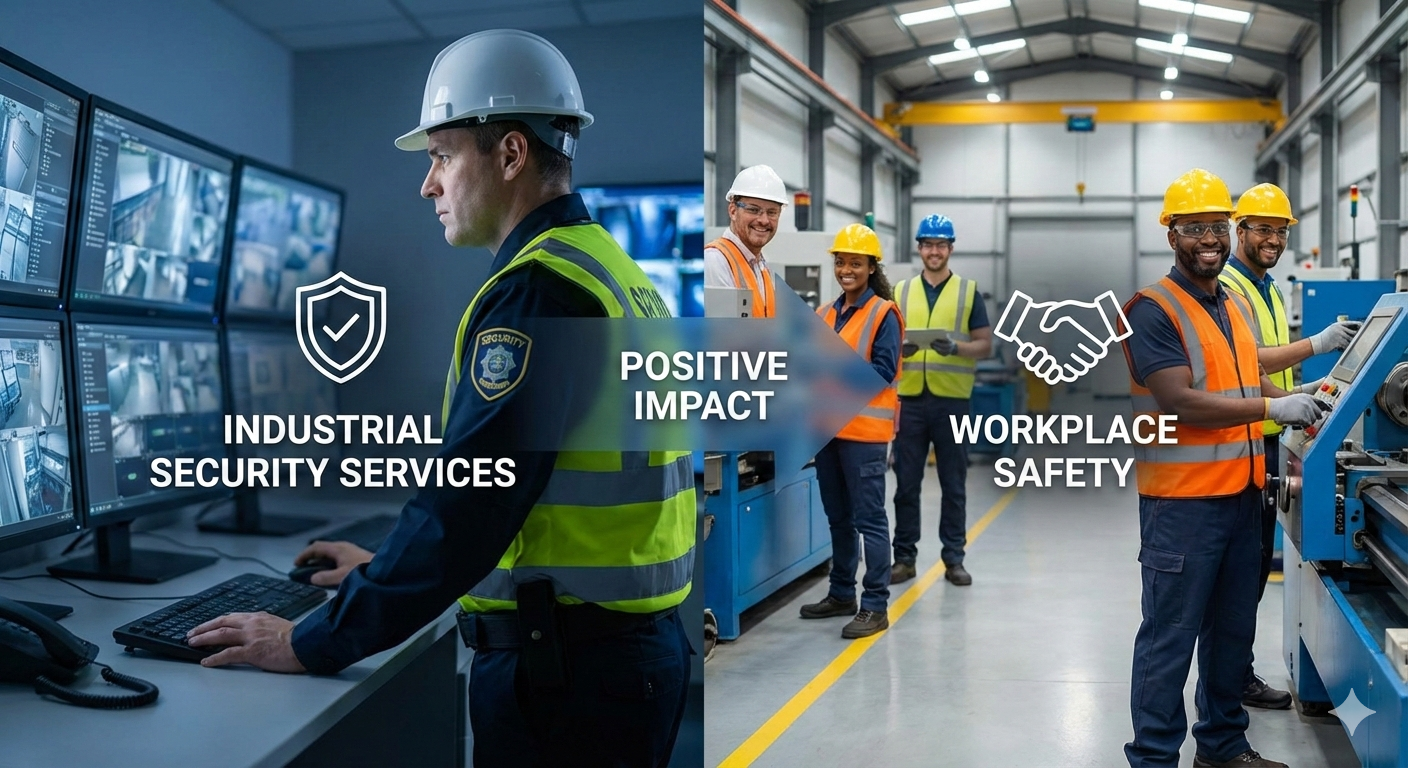
Industrial workplaces are complex and dynamic environments where the safety of employees, operational efficiency, and protection of valuable assets are critical. Factories, warehouses, chemical plants, and manufacturing facilities face multiple risks, including theft, accidents, sabotage, and industrial espionage. These risks can directly affect financial stability, employee well-being, and overall business continuity. Professional industrial security services play a pivotal role in maintaining safe, secure, and productive operations. Trained security personnel, supported by advanced monitoring systems, do more than just watch; they actively prevent incidents, manage emergencies, and ensure compliance with safety protocols. The presence of professional security not only reduces accidents but also enhances employee confidence, supports risk management strategies, and contributes to a structured, resilient workplace culture.
Role of Industrial Security Services
Industrial security services are multi-faceted solutions designed to safeguard employees, equipment, and information from potential threats. They are not limited to preventing theft but extend to emergency management, monitoring compliance, and supporting operational continuity. By integrating trained security personnel with structured security systems, industrial organizations can significantly mitigate potential risks. A comprehensive security approach addresses both external threats, such as intruders and sabotage, and internal risks, such as employee misconduct or accidental hazards. These services are instrumental in creating a controlled environment where safety protocols are followed, potential emergencies are quickly managed, and operations proceed smoothly.
Security services in industrial workplaces also ensure that employees can perform their tasks without fear, allowing them to focus on productivity. With proper surveillance, access control, and emergency management systems, businesses can prevent financial loss, protect intellectual property, and maintain continuity of operations. Additionally, industrial security helps organizations identify gaps in safety protocols and provides valuable data for continuous improvement.
Surveillance and Monitoring
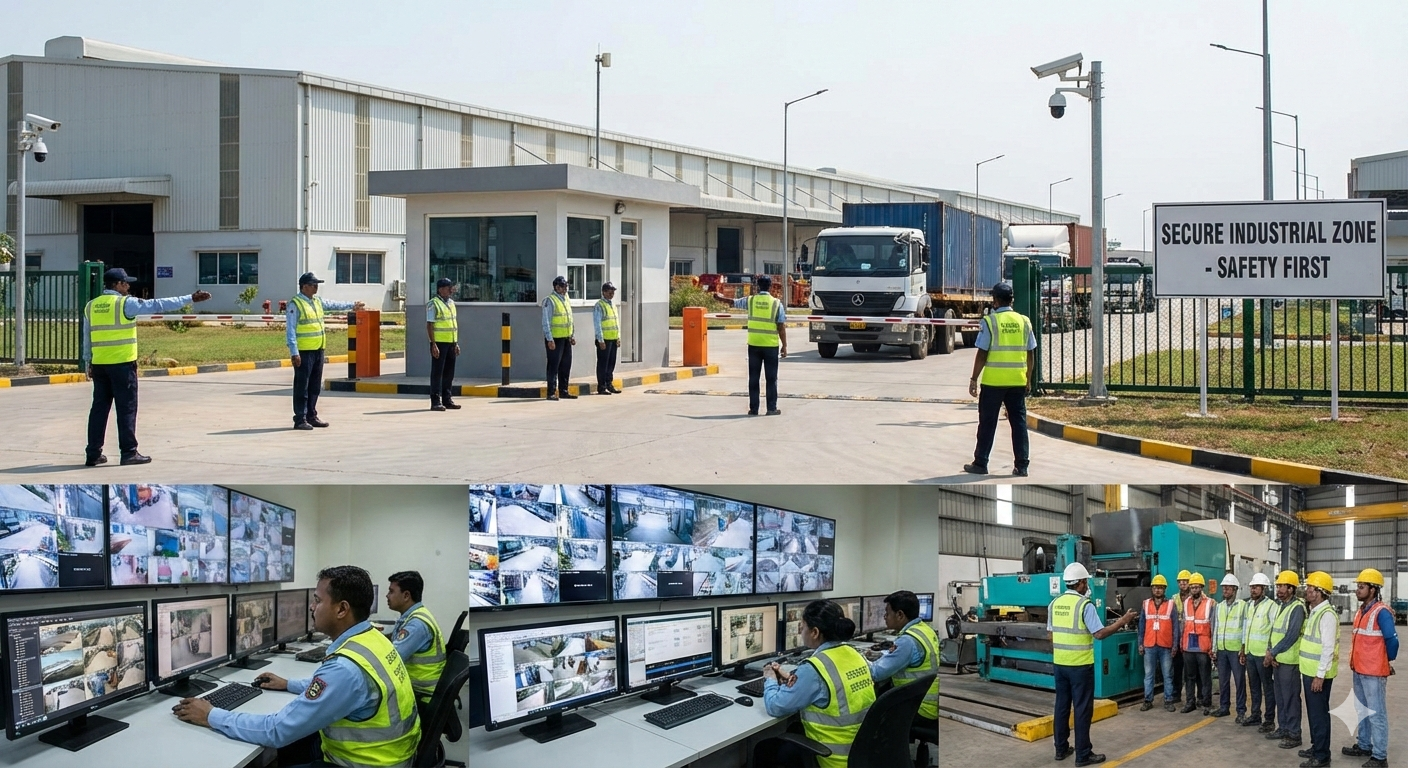
Continuous surveillance is a cornerstone of effective industrial security. Security teams monitor CCTV cameras, access points, and sensitive areas around the clock to identify unusual or suspicious activities. High-definition cameras, motion detectors, and automated alarms allow security personnel to respond immediately to any breach or anomaly. Surveillance systems act as both a preventive measure and a deterrent for potential wrongdoers, signaling that all actions are being observed.
Beyond preventing theft and unauthorized access, monitoring helps detect hazards before they escalate. For example, security teams can identify leaks, equipment malfunctions, or unsafe behavior that could cause accidents. By monitoring high-risk areas such as chemical storage rooms, heavy machinery zones, and loading docks, security personnel can intervene proactively, reducing the likelihood of incidents. Surveillance also provides documentation of events that can be used for investigations, audits, or insurance purposes, further strengthening the safety and security framework of an organization.
Access Control and Visitor Management
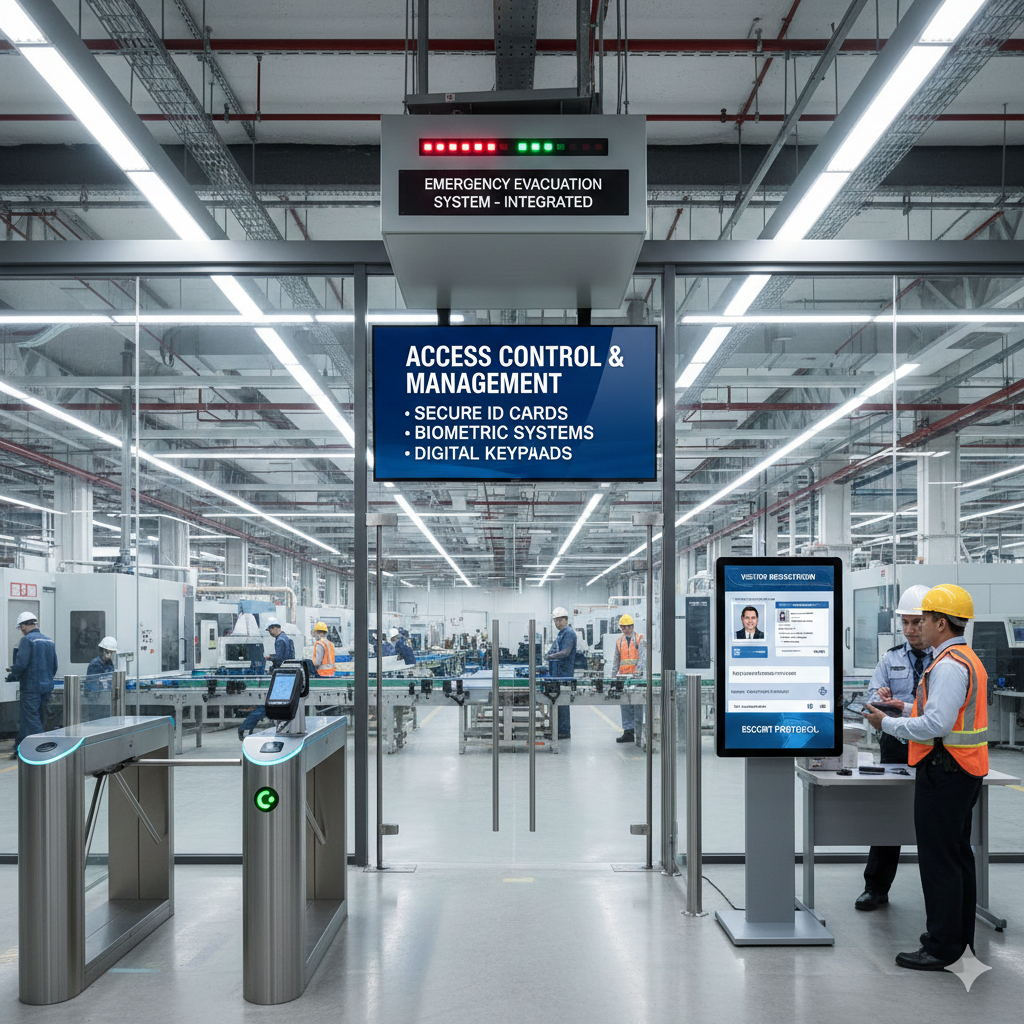
Controlling access to sensitive areas is essential in industrial environments. Industrial facilities often handle expensive machinery, raw materials, and proprietary information. Access control systems restrict entry to authorized personnel only, reducing the risk of theft, sabotage, or accidental hazards. This includes secure ID cards, biometric systems, and digital keypads that track entry and exit in real-time.
Visitor management is equally important. All visitors must go through identity verification and follow strict escort protocols to prevent unauthorized access. Proper management ensures that employees are not exposed to hazards posed by untrained visitors or external threats. For industries that deal with hazardous chemicals or sensitive technology, limiting access protects both employees and company assets. By integrating access control with emergency systems, organizations can also ensure that evacuation procedures are only executed for relevant personnel, preventing confusion during critical situations.
Emergency Response and Crisis Management
Industrial security teams are trained to respond swiftly to a variety of emergencies, including fires, chemical spills, machinery malfunctions, medical incidents, and natural disasters. Quick response is vital to prevent minor incidents from escalating into major accidents. A clearly defined emergency plan, practiced regularly, allows security personnel to guide employees to safety, communicate effectively with emergency services, and minimize property damage.
Preparedness extends beyond physical intervention. Security teams coordinate drills, educate employees on proper responses, and ensure that emergency exits and equipment are functional. In chemical plants, for example, security personnel may have to act fast to contain hazardous spills, evacuate employees, and alert emergency responders to prevent widespread contamination. This proactive approach saves lives, reduces operational downtime, and fosters a workplace culture focused on safety and vigilance.
Protection Against Theft, Sabotage, and Industrial Espionage
Industrial facilities are frequent targets for theft of machinery, raw materials, or sensitive data. Sabotage and industrial espionage pose additional risks to operations and business competitiveness. Professional industrial security services employ multiple layers of protection to counter these threats.
Surveillance, access control, and immediate response capabilities work together to safeguard physical and intellectual assets. Security personnel monitor for unusual behavior, investigate anomalies, and respond to potential breaches promptly. Protecting machinery, technology, and trade secrets ensures uninterrupted operations and prevents competitors from gaining an unfair advantage. Security measures also deter insider threats, ensuring employees follow protocols and maintain integrity within the organization.
Enhancing Employee Safety
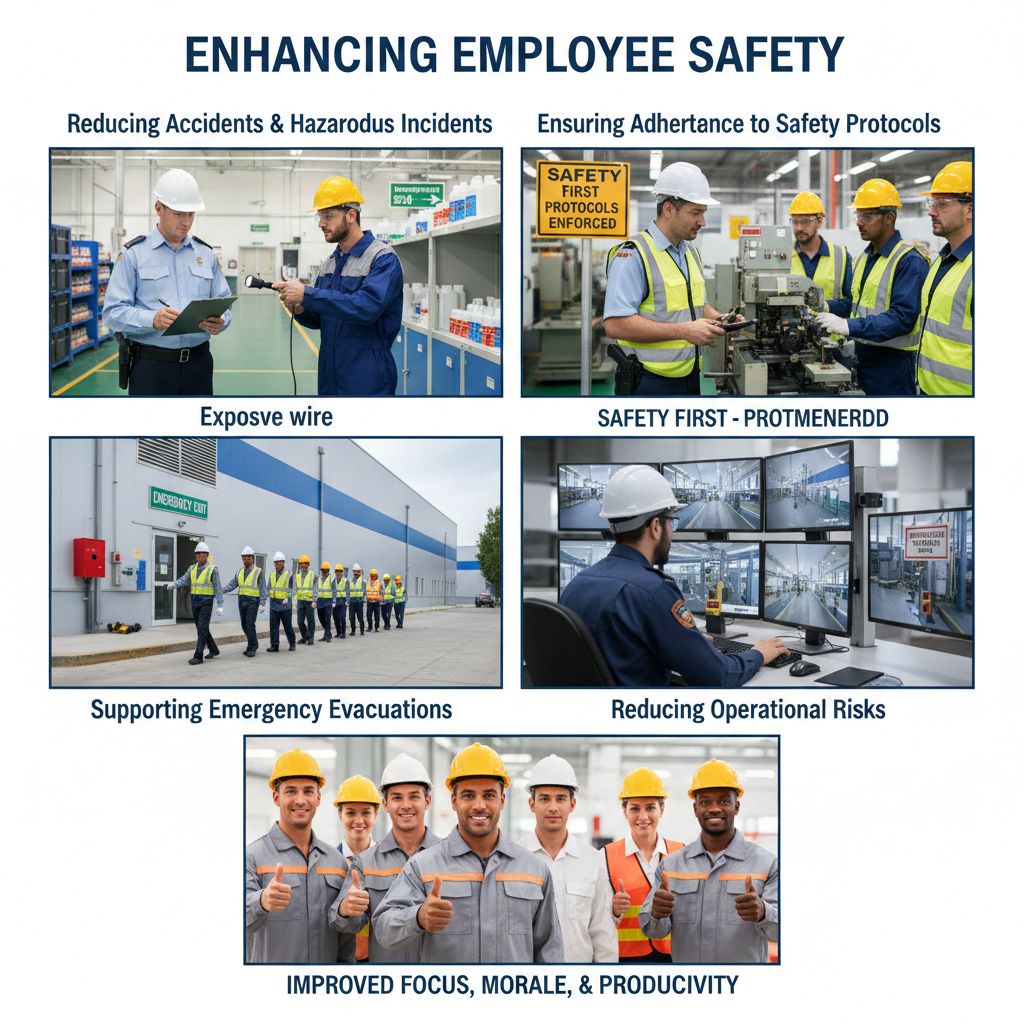
Employee safety is one of the most critical benefits of industrial security services. Workers feel secure when they know trained personnel are monitoring their environment and prepared to handle emergencies. This reassurance improves focus, morale, and overall productivity.
Reducing Accidents and Hazardous Incidents
Security staff regularly inspect work areas to identify unsafe practices and potential hazards. These could include blocked emergency exits, improper storage of chemicals, exposed wiring, or malfunctioning machinery. By identifying and addressing these risks, security personnel significantly reduce the likelihood of accidents. Regular inspections, combined with proactive interventions, ensure that employees operate in a safer environment, protecting both human life and company resources.
Ensuring Adherence to Safety Protocols
Collaboration between security teams and safety officers is essential to maintain strict adherence to safety procedures. Security personnel help enforce rules related to protective equipment, safe workflow practices, and proper handling of machinery and chemicals. This ensures that employees follow safety protocols, reducing incidents and promoting a disciplined workplace.
Supporting Emergency Evacuations
In emergencies, security personnel play a vital role in guiding employees to safe zones. They coordinate crowd movement, communicate with emergency responders, and manage access to hazardous areas. A structured evacuation plan prevents panic, minimizes injuries, and ensures that employees can exit dangerous situations efficiently.
Reducing Operational Risks
Industrial security services also focus on minimizing operational risks that could disrupt production or cause financial loss. By preventing theft, workplace violence, and accidents, security teams help maintain consistent operations and reduce unexpected downtime.
Preventing Theft of Machinery, Raw Materials, and Intellectual Property
Industrial facilities contain high-value equipment and raw materials. Theft or sabotage can lead to significant financial losses and production delays. Security personnel safeguard assets through surveillance, restricted access, and immediate response to suspicious activity. Protecting intellectual property also prevents competitors from accessing proprietary information, maintaining the company’s competitive advantage.
Minimizing Workplace Violence and Vandalism
Conflicts among employees, acts of aggression, or vandalism can threaten workplace safety and disrupt operations. Industrial security services intervene in such situations, de-escalating potential violence and maintaining a controlled environment. Early intervention prevents escalation and ensures that employees continue working in a safe atmosphere.
Reducing Downtime Caused by Security Incidents
Unplanned interruptions, such as equipment damage or unauthorized entry, can halt production. Industrial security teams reduce the impact of these incidents by monitoring risks, responding immediately, and implementing preventive measures. This ensures that production schedules, delivery timelines, and overall business operations remain on track, reducing financial losses and operational setbacks.
Advanced Security Technologies
Modern industrial security relies heavily on technology to enhance monitoring and response capabilities. Advanced tools allow security personnel to work efficiently and proactively manage risks.
CCTV, Alarms, and Access Control Systems
High-definition cameras, motion detectors, and automated alarms provide continuous surveillance and instant alerts. Integrated access control systems ensure only authorized personnel can enter sensitive areas. These technologies prevent accidents, theft, and unauthorized interventions, offering a layered security approach.
Integration with Industrial Safety Protocols
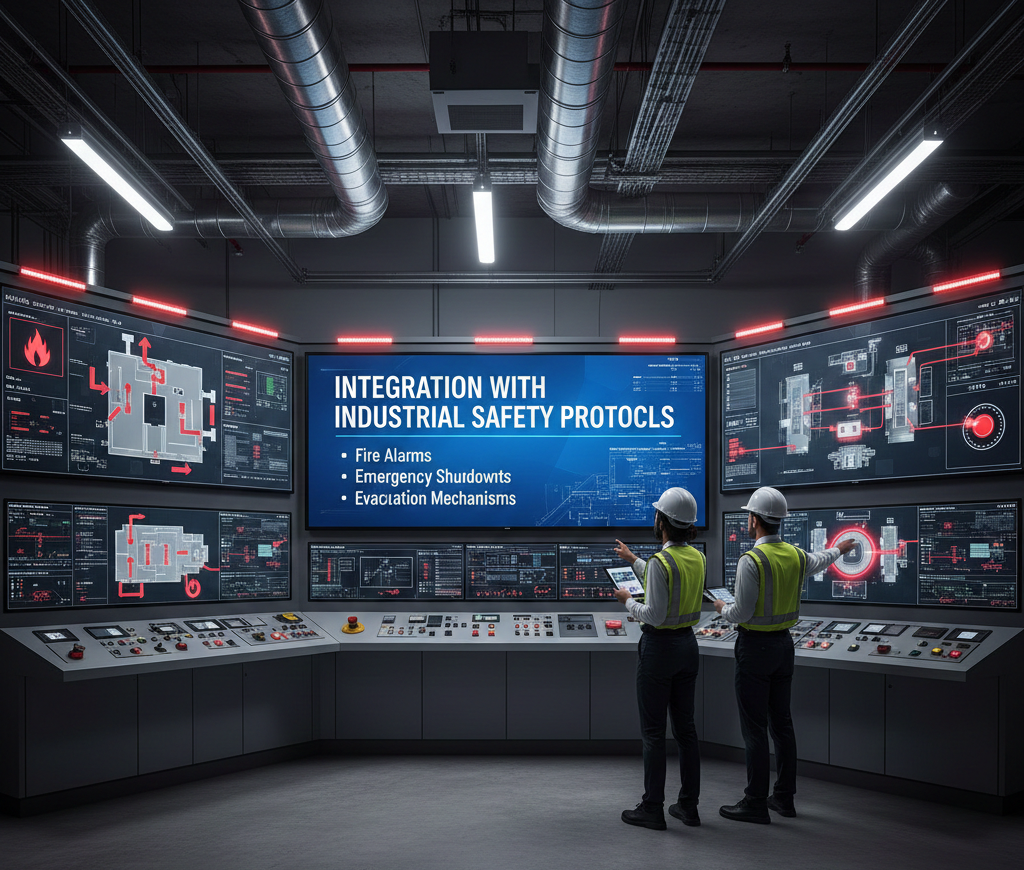
Security systems often integrate with safety measures, such as fire alarms, emergency shutdowns, and evacuation mechanisms. Coordinated systems ensure swift and effective responses during emergencies, protecting employees and equipment.
Role of AI and Monitoring Software in Proactive Risk Management
Artificial intelligence and monitoring software analyze patterns, detect anomalies, and predict potential risks. Predictive analysis helps industrial security teams intervene before incidents occur, further enhancing workplace safety. AI-powered tools can also optimize resource allocation, ensuring security personnel are deployed efficiently across high-risk areas.
Compliance with Safety Regulations
Industrial security services help organizations comply with legal and regulatory standards related to workplace safety. Compliance not only avoids penalties but also enhances credibility with stakeholders and insurers.
Meeting Government and Industry Standards
Security teams ensure adherence to national safety regulations, OSHA standards, and industry-specific guidelines. Regular inspections, documentation, and risk assessments demonstrate compliance and commitment to employee safety.
Documentation and Reporting for Audits and Insurance
Accurate records of incidents, surveillance logs, and safety compliance reports are essential for audits and insurance claims. Proper documentation protects organizations from legal disputes and financial liabilities, emphasizing the value of professional security services.
Benefits of Professional Security Services
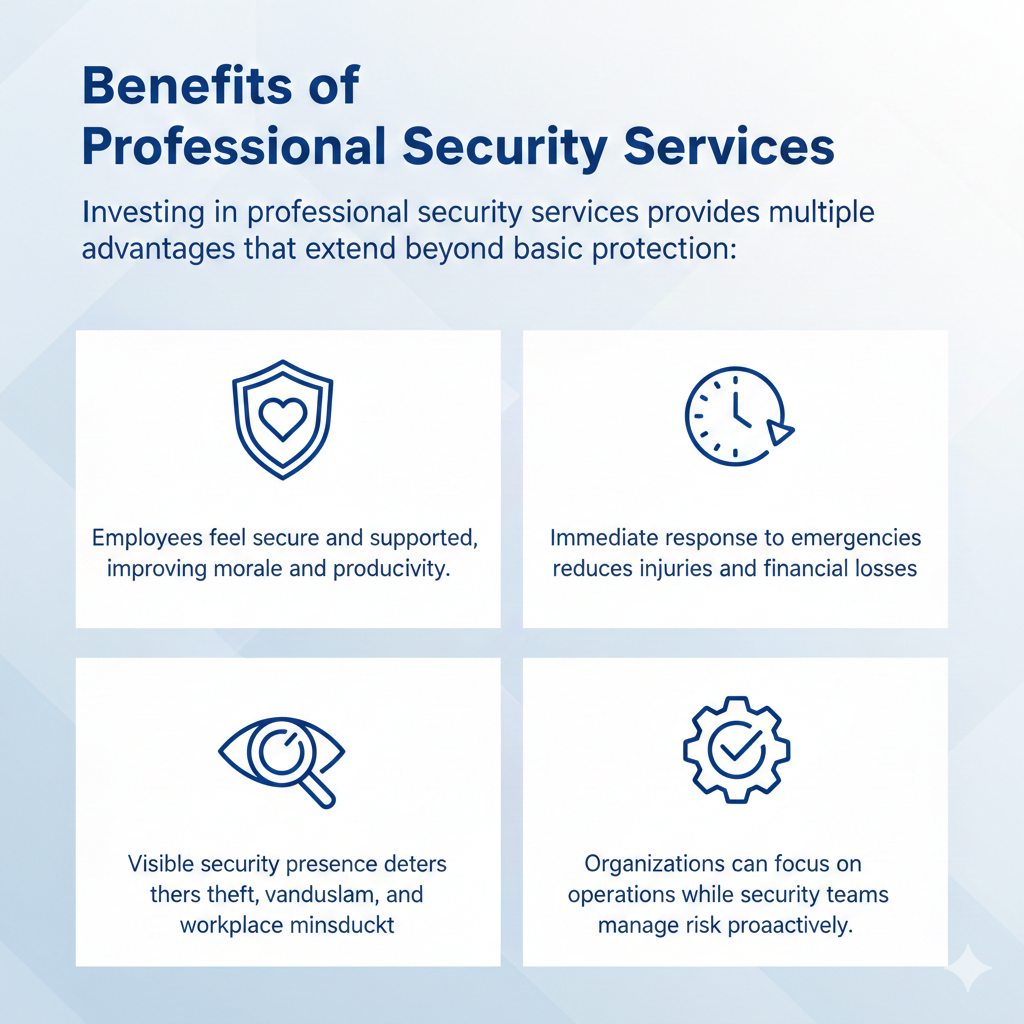
Investing in professional security services provides multiple advantages that extend beyond basic protection:
- Employees feel secure and supported, improving morale and productivity.
- Immediate response to emergencies reduces injuries and financial losses.
- Visible security presence deters theft, vandalism, and workplace misconduct.
- Organizations can focus on operations while security teams manage risk proactively.
Professional security services also help cultivate a workplace culture focused on safety, discipline, and accountability. Employees learn to respect rules, report hazards, and contribute to maintaining a safe work environment.
Challenges and Considerations
While industrial security is highly beneficial, implementing effective systems requires careful planning and investment:
- Security infrastructure and trained personnel can be costly, especially for large facilities.
- Balancing human resources with technological tools is critical for comprehensive coverage.
- Continuous training is necessary to keep security teams up to date on evolving threats and emergency procedures.
- Organizations must periodically review and upgrade protocols to address changing industrial risks.
Despite these challenges, the benefits of robust industrial security outweigh the costs, particularly in terms of employee safety, reduced operational risks, and asset protection.
Case Studies and Real-World Examples
Several industrial organizations have demonstrated measurable improvements in safety after hiring a professional security agency.
For instance, a chemical manufacturing plant introduced 24/7 surveillance, trained personnel, and emergency response drills. Within six months, workplace accidents decreased by 35%, and unauthorized access incidents were eliminated.
Similarly, a logistics warehouse implemented AI-based monitoring with on-ground security teams. Theft attempts dropped by 50%, and employee confidence improved significantly.
These examples show that well-designed security solutions not only reduce risks but also enhance productivity and workplace satisfaction. They highlight the importance of tailored strategies for industrial safety, demonstrating that professional security is an investment rather than an added expense.
Conclusion:
Industrial security services have a significant impact on workplace safety. They protect employees from accidents, prevent theft and vandalism, ensure compliance with regulations, and maintain operational continuity. Combining trained personnel with advanced technologies enables proactive risk management and rapid response to emergencies.
Investing in professional security promotes a culture of safety, builds employee confidence, and reduces operational downtime. Organizations that prioritize industrial security experience long-term benefits, including improved productivity, fewer accidents, and protection of valuable assets. Ultimately, industrial security is an indispensable component of modern workplace safety strategies, ensuring that employees and operations remain secure in complex industrial environments.
FAQs:
What is the importance of safety and security in the workplace?
Safety and security protect employees from accidents and harmful incidents, ensure smooth operations, safeguard assets, and promote a confident workforce while reducing financial and legal risks.
What is the importance of industrial security?
Industrial security prevents theft, sabotage, unauthorized access, and workplace violence, protecting employees, equipment, and sensitive information while maintaining smooth operations.
How do security requirements affect the workplace?
Security requirements establish rules and monitoring systems that prevent accidents and unauthorized access. They influence workflow, employee behavior, and facility layout, fostering a safer, more organized environment.
What is safety in industrial safety?
Safety involves protecting employees from hazards, minimizing accidents, ensuring proper equipment handling, and complying with regulations, creating a secure work environment.
How to improve safety in the workplace?
Improvement comes through regular training, proper use of protective equipment, risk assessments, emergency drills, clear safety protocols, hazard monitoring, and implementing security systems.