
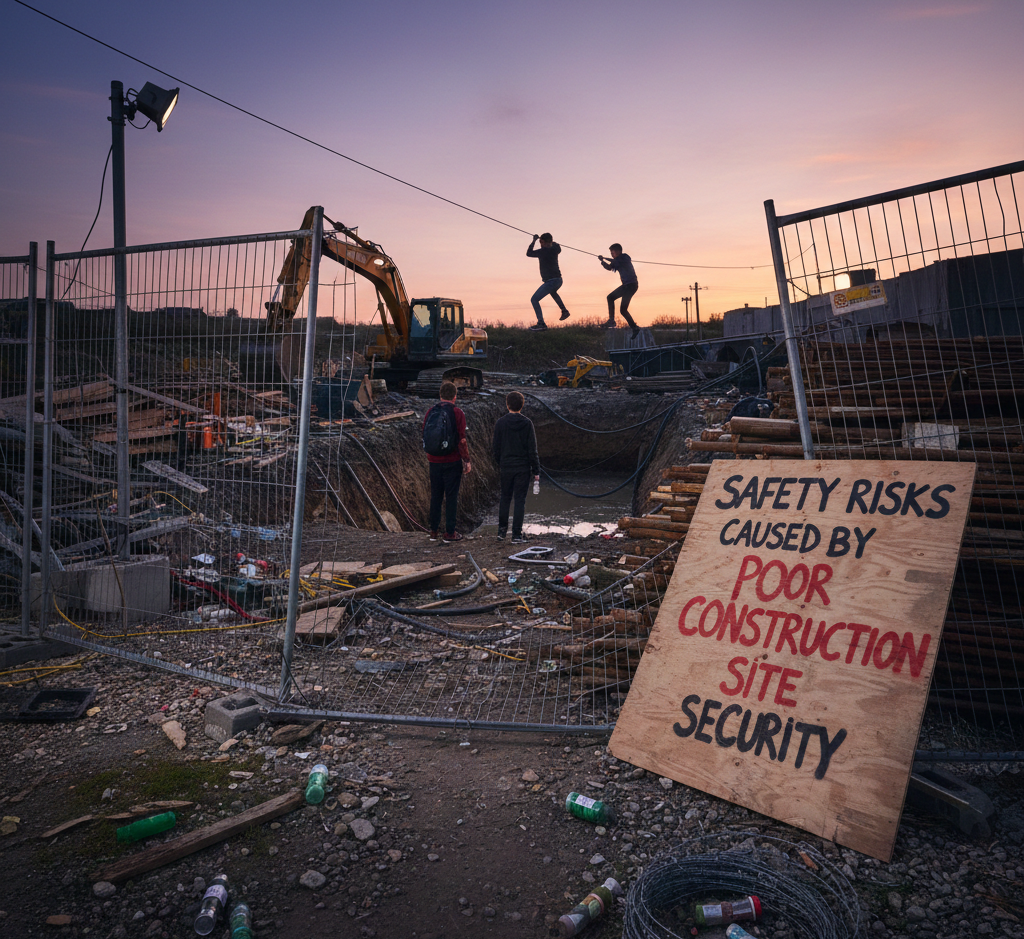
Construction sites are busy places filled with heavy machinery, open structures, tools, electrical systems, and raw materials. Every day, workers face potential danger even under controlled conditions. When security measures are weak or ignored, these dangers multiply fast. Poor construction site security not only threatens equipment or materials, but it also puts human lives at serious risk. Unauthorized entry, inadequate monitoring, and careless adherence to safety rules often lead to injuries, property damage, legal issues, and project delays. Understanding these safety risks helps site owners, contractors, and managers take responsible steps to protect workers, the public, and the project itself.
Why Construction Site Security Matters
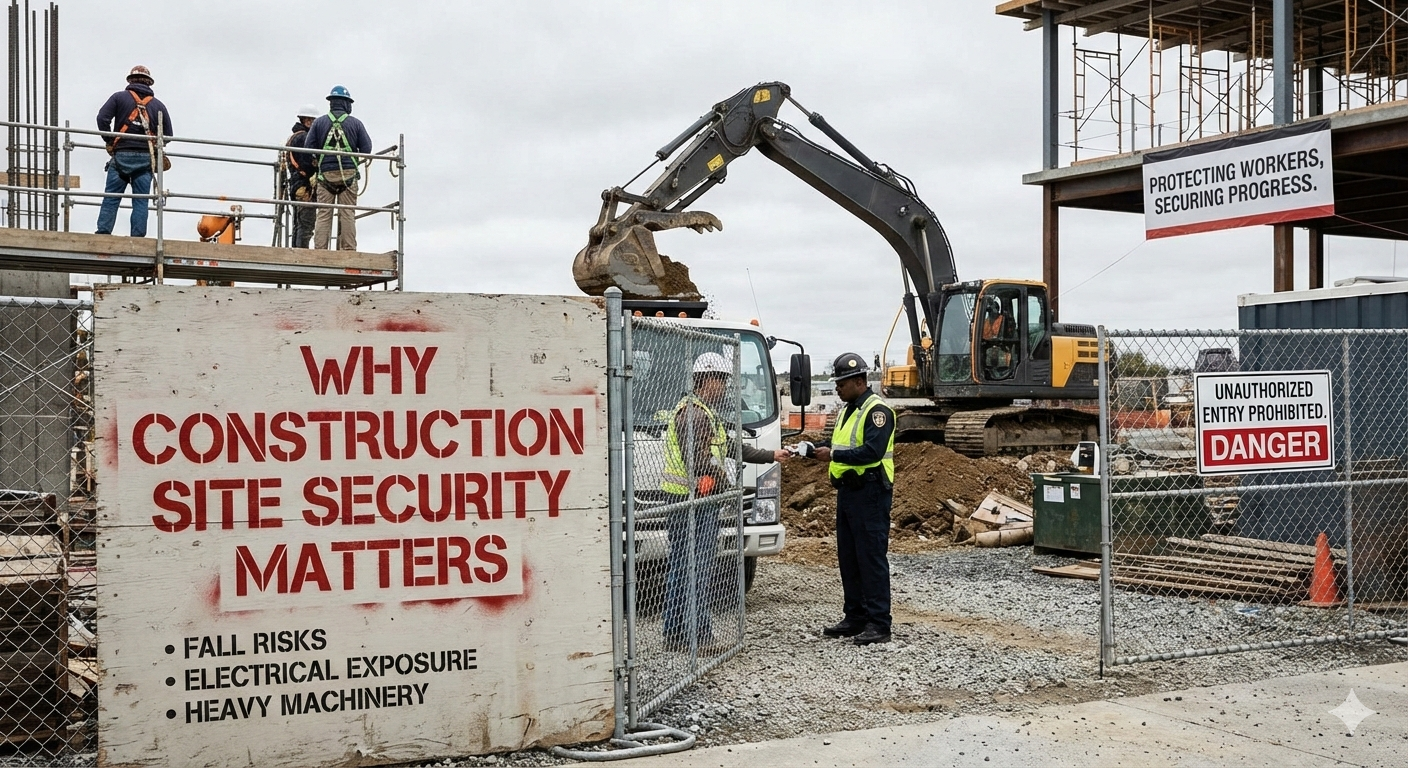
Construction work involves natural dangers, including falls from height, electrical exposure, and the use of heavy machinery. Poor security increases these risks and creates additional safety concerns. When unauthorized or untrained individuals enter a construction site, they may interrupt ongoing work, handle tools incorrectly, or move into restricted and hazardous areas. Such actions raise the chances of accidents and injuries. Security also protects workers from external threats like theft, vandalism, or aggressive behavior linked to stolen materials. A well-secured site supports safety rules, encourages discipline, and allows workers to concentrate on their responsibilities without distraction. When security is missing or weak, even carefully planned safety measures lose their effectiveness, putting both workers and the overall project at serious risk.
Safety Risks Caused by Poor Security
Below are the major safety risks that arise when security measures are weak or poorly managed. These risks can lead to injuries, unauthorized access, and serious disruptions at the site.
Unauthorized Access and Trespassing Risks
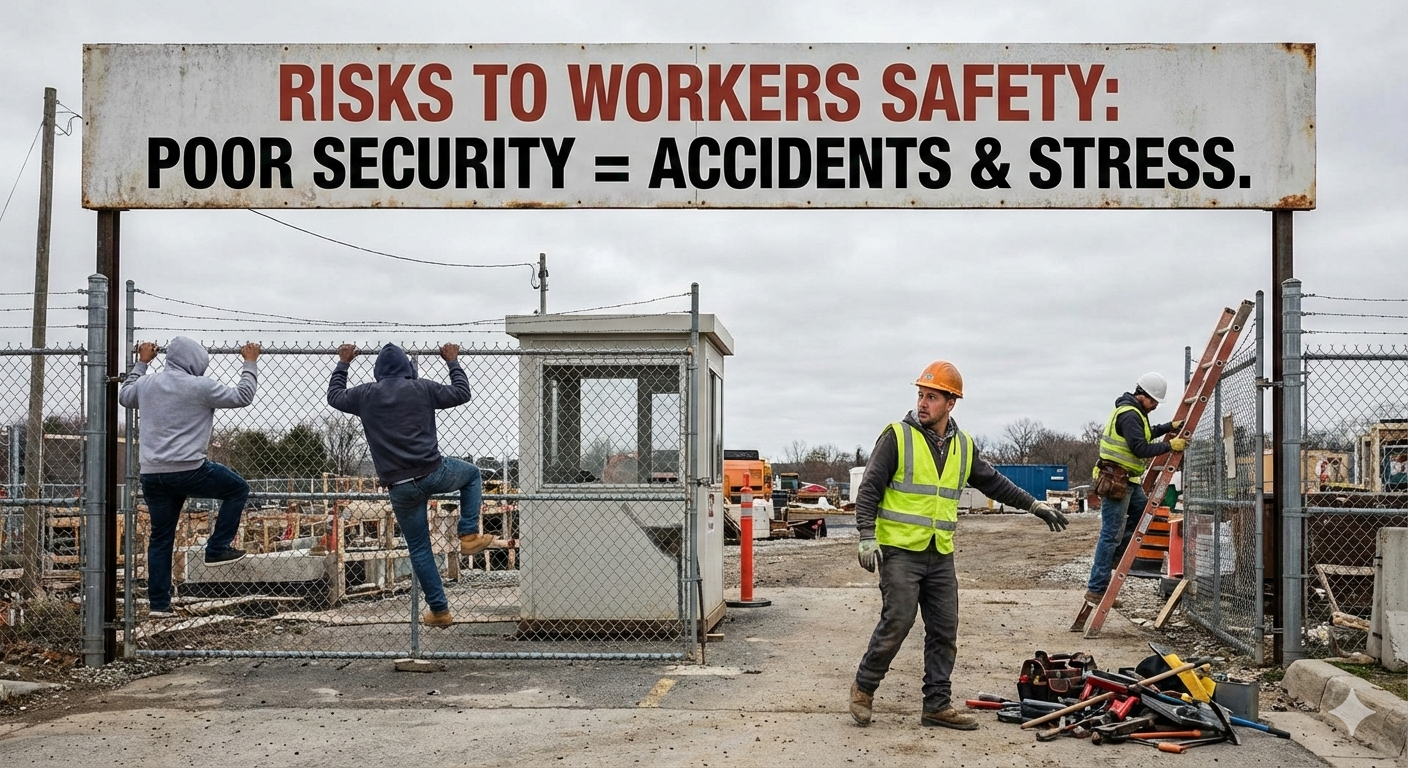
Unauthorized access remains one of the most serious safety threats on construction sites. Trespassers usually lack safety training and have no understanding of site hazards. They may walk near open pits, unstable structures, exposed wiring, or heavy machinery without any protection. Such behavior often results in serious injuries or fatal accidents. Children living nearby face even higher danger because curiosity draws them toward unfinished buildings and equipment. These incidents place legal responsibility on site owners and contractors, creating stress and financial pressure. Unauthorized individuals also distract workers, increasing the chances of mistakes during critical tasks. Emergency situations become harder to manage when unknown people are present on site. Strong access control helps limit these dangers. Fencing, controlled entry points, visitor logs, and active monitoring reduce trespassing risks. A well-managed site protects workers, nearby communities, and project owners from avoidable harm and long-term consequences.
Theft of Materials and Equipment
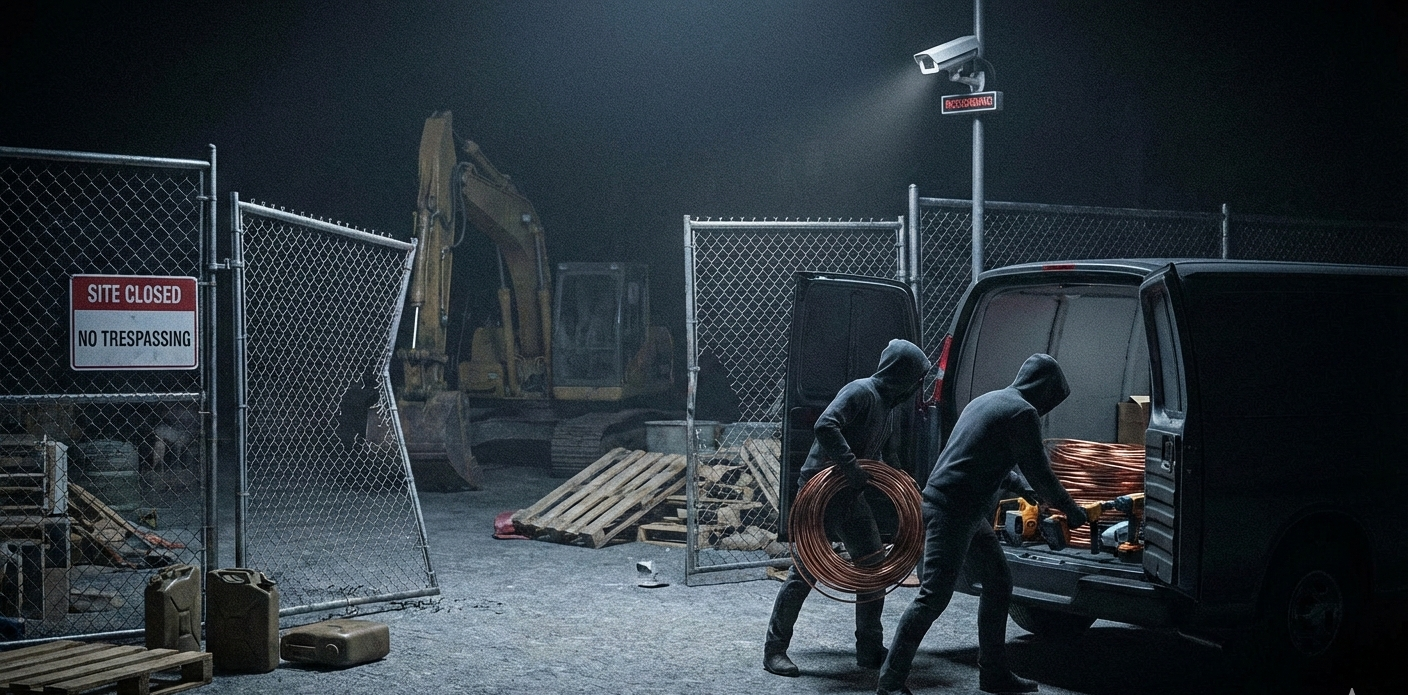
Construction sites store valuable materials such as copper wiring, steel, fuel, tools, and machinery. Poor security turns these sites into easy targets for theft. When equipment goes missing, daily operations suffer immediately. Workers may lack proper tools or depend on damaged alternatives, increasing injury risks. Missing safety equipment creates unsafe working conditions and raises the chance of accidents. Theft also causes unexpected expenses, forcing project managers to replace items quickly. This often leads to budget pressure and schedule disruption. Repeated theft damages worker morale and creates tension on-site. Criminal activity can also turn violent, putting workers at physical risk. Strong security discourages theft and protects both materials and people. Trained guards, lighting, and monitoring systems help control movement and detect suspicious activity early. Preventing theft supports safer work conditions and keeps projects moving without unnecessary interruptions.
Vandalism and Property Damage
Vandalism causes more than surface-level damage on construction sites. Broken scaffolding, cut cables, damaged machinery, and destroyed safety signs create dangerous environments for workers. Vandals often interfere with equipment without understanding the risks involved. A single damaged structure can lead to falls, equipment failure, or serious injury. Workers may unknowingly use compromised tools, increasing the risk of accidents. Repair work adds unexpected costs and delays progress. Repeated damage also affects worker confidence and mental focus. Stress levels rise when safety feels uncertain. Vandalized sites attract further criminal activity, creating a cycle of damage and risk. Strong security discourages vandalism and protects site integrity. Lighting, regular patrols, and controlled access reduce opportunities for destructive behavior. Protecting physical assets supports worker safety and maintains steady project progress.
Accidents Caused by Untrained Intruders
Untrained intruders create serious safety risks on construction sites. Curiosity or carelessness may lead them to climb scaffolding, touch machinery, or enter restricted zones. Such actions often cause falls, crushing injuries, or exposure to harmful substances. Intruders also distract workers performing complex or high-risk tasks. Even a short interruption can result in serious mistakes. Many recorded construction accidents involve individuals who had no permission to enter the site. These incidents cause emotional trauma for workers and legal trouble for project owners. Emergency response becomes complicated when unknown people get injured on site. Strong security measures help prevent such accidents. Clear boundaries, visible warning signs, and active monitoring reduce intrusion risks. Preventing unauthorized entry protects lives and supports a safer working environment for everyone involved.
Fire Hazards Due to Poor Site Control
Construction sites contain flammable materials such as fuel, chemicals, wood, and electrical wiring. Poor site control increases fire risks significantly. Unauthorized individuals may smoke, misuse equipment, or tamper with electrical systems. Fires spread quickly in unfinished structures with open spaces and limited fire barriers. Poor monitoring delays detection and response, allowing small fires to become major disasters. Workers face life-threatening danger during evacuation in uncontrolled environments. Fire damage causes severe financial loss and long-term delays. Strong security reduces these risks through controlled access and regular patrols. Trained staff can spot hazards early and respond quickly. Proper site control protects lives, property, and project stability.
Legal and Financial Consequences
Weak construction site security often results in serious legal and financial problems. Injuries involving workers or trespassers can lead to compensation claims and lawsuits. Authorities may impose fines for safety violations. Insurance providers sometimes refuse claims if security measures appear inadequate. Legal disputes damage company reputation and create long-term financial strain. Projects may face suspension during investigations, increasing losses further. Poor security also affects future contracts as clients lose trust. Investing in proper security reduces legal exposure and financial uncertainty. Clear security planning shows responsibility and professionalism. Protecting people and property helps maintain credibility and long-term business stability.
Impact on Project Delays and Costs
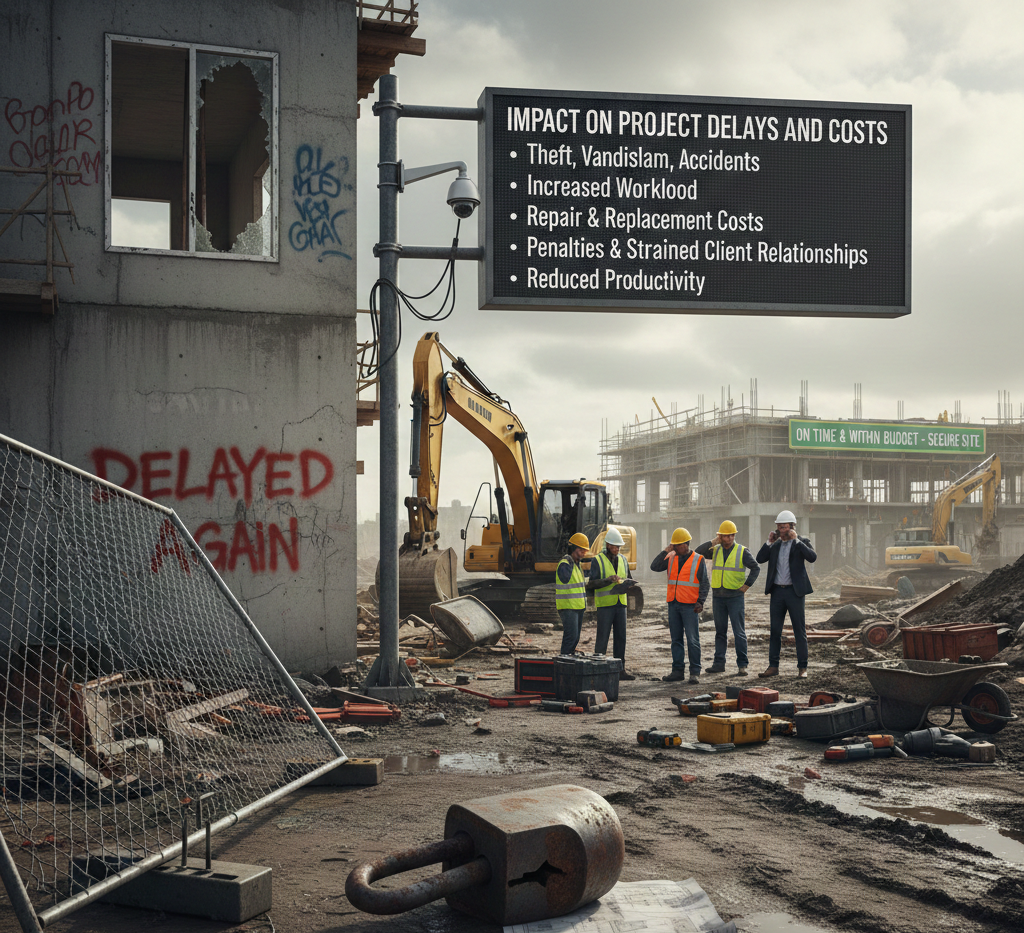
Security failures disrupt construction schedules repeatedly. Theft, vandalism, accidents, and investigations slow progress and increase workload. Repairing damage and replacing stolen items raise costs unexpectedly. Delays often result in penalties and strained client relationships. Workers may lose motivation when safety concerns persist. Stress and uncertainty reduce productivity. Poor security creates a cycle of setbacks that affect overall project success. Strong security supports steady workflow and predictable timelines. Preventing incidents saves time and money. A secure site helps projects finish within planned schedules and budgets.
How Proper Security Reduces Safety Risks
Proper security works as a preventive system rather than a reactive one—controlled access limits unauthorized entry. Surveillance helps detect issues early. Trained guards respond quickly during emergencies. Clear rules support safety awareness among workers and visitors. When risks receive early attention, accidents decrease, and confidence improves. Workers feel protected and focused. Security strengthens all other safety measures on site. A well-secured construction site protects lives, property, and project goals together.
Conclusion:
Construction site security has a direct impact on human safety, project success, and legal stability. Poor security creates avoidable dangers that harm workers, the public, and businesses. Strong security planning, trained staff, and proper systems reduce risks and support safe construction practices. A secure site protects lives first, then everything else.
FAQs:
What are the safety risks of construction sites?
Construction sites involve risks such as falls, machinery accidents, electrical hazards, and material injuries. Poor security increases these dangers through unauthorized access, missing equipment, and unsafe behavior, making injuries more likely.
What are the risks caused by poor security knowledge and practice?
Poor security knowledge leads to slow responses, ignored rules, and weak monitoring. This results in theft, accidents, confusion during emergencies, and increased legal responsibility for site owners.
What are the potential risks of inadequate security measures?
Inadequate security causes unauthorized access, vandalism, theft, fire hazards, injuries, legal claims, and project delays. These risks affect safety, finances, and project success.
What are some examples of security risks?
Examples include broken fencing, lack of guards, poor lighting, unattended machinery, open access points, and missing safety signs. Each creates opportunities for accidents or crime.
What are the four types of risk?
The four types include physical risk, financial risk, legal risk, and operational risk. All are closely linked to poor construction site security.