
Events bring excitement, energy, and large gatherings, but behind the celebration lies a critical responsibility: ensuring safety. From music festivals to corporate gatherings, security challenges can appear unexpectedly. Crowded spaces, unauthorized access, and emergencies require well-trained guards who can act quickly without disturbing the flow of the event. A single overlooked risk can escalate into chaos, putting attendees, staff, and property at danger.
Event organizers must understand the common security threats and implement proactive measures. Guards play a key role in monitoring crowds, managing conflicts, controlling access, and responding to emergencies. Their presence is not only a deterrent but also a solution in real-time situations. This article explores the 10 most common security issues at events and how professional teams handle them efficiently, keeping every attendee safe while maintaining a smooth and enjoyable experience.
10 Common Security Issues Faced at Events and How Guards Handle Them
Large events bring excitement and large crowds, but they also create challenges that require careful planning and quick response. Security teams must stay alert at all times to manage risks, maintain order, and ensure that everyone enjoys the event safely. Here are 10 common security issues faced at events and how professional guards handle them efficiently.
Crowd Control and Overcrowding Issues
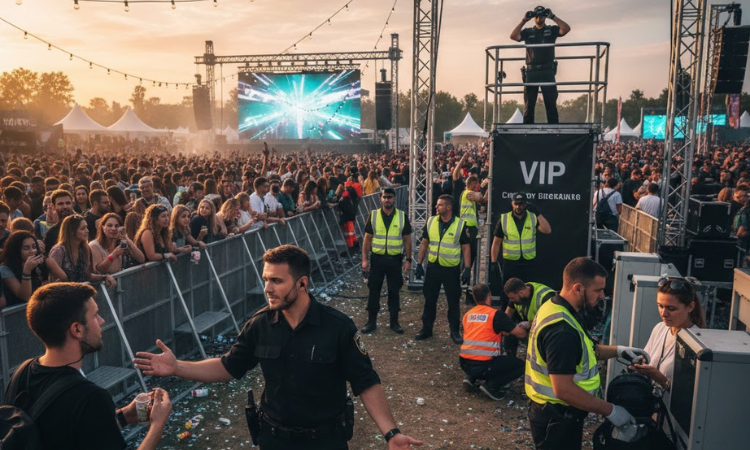
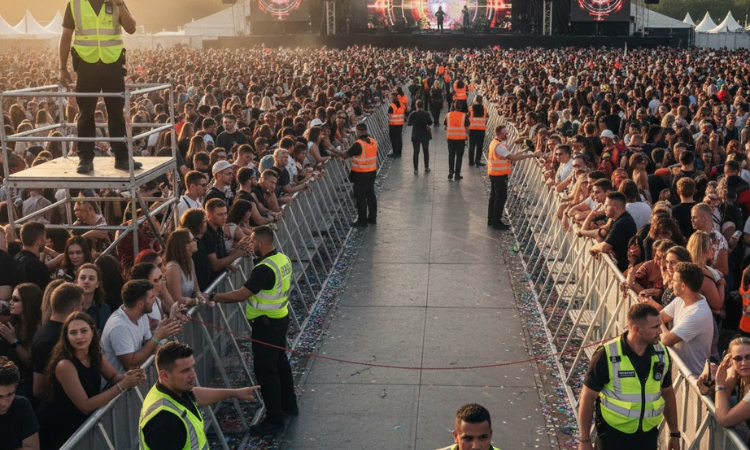
Large crowds often create the first and most visible security challenge at events. When attendees gather near stages, entrances, or popular attractions, the risk of overcrowding grows. Without proper monitoring, a small push or panic can escalate into injuries or stampedes. Blocked pathways, congested exits, and unregulated lines can frustrate attendees and compromise safety.
Guards observe crowd behavior continuously, identifying areas where density increases and movement slows. They also ensure emergency routes remain accessible, preventing bottlenecks. Pre-event planning, such as setting up barriers, designated entry points, and one-way systems, reduces the risk. Early detection of crowding signs allows guards to intervene calmly, redirecting flow and preventing escalation. Effective crowd control not only protects people but also improves the overall event experience, ensuring attendees feel secure and comfortable throughout the gathering.
Situation Management
Well-trained Guards use barriers, clear pathways, and designated entry systems to manage crowd movement. They monitor density, redirect attendees when needed, and maintain open emergency routes to prevent accidents and ensure a safe, organized event environment.
Unauthorized Entry and Fake Pass Problems
Unauthorized access remains a constant challenge at ticketed and VIP events. Fake passes, copied wristbands, or individuals tailgating can breach restricted areas. Such incidents pose safety risks, increase theft chances, and disturb the event’s order. Backstage areas, VIP sections, and equipment zones are particularly vulnerable.
Guards must stay vigilant, watching for suspicious behavior and inconsistencies in credentials. Weak checking systems or inattentive staff create easy opportunities for unauthorized entry. Effective prevention relies on careful monitoring, clear identification processes, and the ability to act quickly without escalating tension. By maintaining a visible and proactive presence, security teams deter potential intruders and reassure legitimate attendees that safety measures are in place. Properly trained guards ensure the event remains secure while guests enjoy the experience safely.
Situation Management
Careful monitoring of entry points and verification of passes prevent unauthorized access. Suspicious behavior is observed, and inconsistencies in credentials are addressed promptly. Maintaining a visible and proactive presence deters intruders while ensuring attendees feel safe and the event remains secure.
Poor Access Control at Entry Points
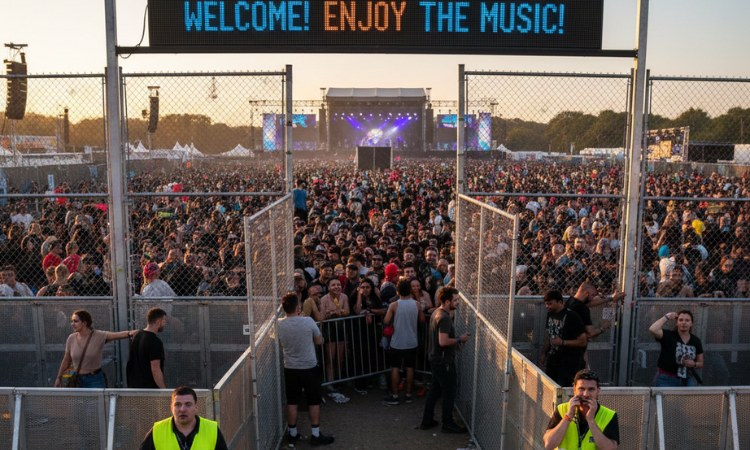
Entry points are critical for event security. Multiple open gates, inadequate checks, or poorly trained staff can create confusion and safety hazards. Bottlenecks at entrances frustrate attendees, and uncontrolled access allows unauthorized people to enter. Delays can disrupt event timing, prevent smooth crowd movement, and block emergency access routes.
Guards must balance speed with safety, ensuring each attendee is properly checked. Effective planning includes assigning staff to each entry, providing clear instructions, and using barriers or scanners. Monitoring entry points reduces risks of accidents, theft, or security breaches. A systematic approach ensures that people move efficiently while the venue remains safe. Proper access control is not just about preventing intrusion—it also sets a professional tone for the event from the moment guests arrive.
Situation Management
Assigning staff to each entry and exit point ensures systematic checks. Using scanners, barriers, and clear instructions helps attendees move efficiently while preventing unauthorized access. Coordinated monitoring keeps lines organized and maintains safety throughout the event.
Communication Gaps Among Security Staff
Communication failures can worsen any security issue. In large events, guards must share information quickly about incidents, suspicious behavior, or emergencies. Noise, distance, and technical problems with radios or intercoms can delay responses. Lack of coordination leads to uncontrolled situations, delayed medical assistance, or crowd panic.
Teams must have clear protocols, predefined signals, and reliable equipment. Supervisors monitor all communications to ensure updates are received in real-time. When guards communicate effectively, incidents are contained quickly, and crowds remain calm. Regular briefings before and during events help staff anticipate potential problems. Clear communication ensures that every team member understands roles, responsibilities, and immediate actions, creating a safer and more organized environment.
Situation Management
Reliable communication systems such as radios, hand signals, and a central coordination point ensure quick sharing of updates. Clear protocols and pre-event briefings help staff respond efficiently, keeping incidents under control and maintaining safety throughout the venue.
Fights and Aggressive Behavior at Events
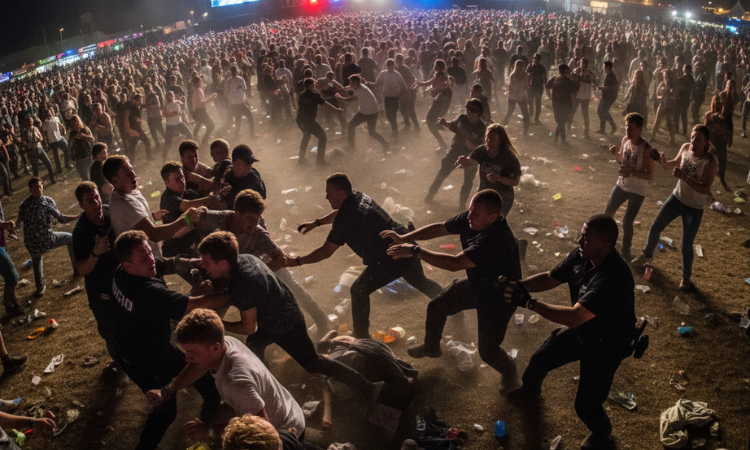
Arguments and fights can escalate in crowded or high-energy events. Noise, alcohol, and competition for space often trigger aggression. Left unmanaged, a minor dispute may involve multiple people and create panic. Security guards monitor attendee behavior, identifying warning signs such as loud voices, confrontational gestures, or crowd clustering.
Swift, calm intervention is key to preventing escalation. Guards separate individuals, de-escalate tensions, and remove disruptive attendees if necessary. Their presence acts as a deterrent, reducing the likelihood of aggression spreading. Proper handling of conflicts ensures safety without disturbing other attendees and maintains a positive event atmosphere.
Situation Management
Calmly separating individuals involved in conflicts prevents escalation. Monitoring the surrounding area, diffusing tensions, and guiding aggressive attendees away from crowded spaces ensures safety and maintains a secure and organized event environment.
Alcohol and Substance-Related Incidents
Alcohol and other substances increase the likelihood of disorderly behavior. Intoxicated attendees may fall, argue, or harass others, creating hazards for themselves and surrounding guests. Substance-related issues require immediate attention because they can escalate quickly.
Guards monitor high-risk areas such as bars or lounges, observing signs of intoxication or misuse. Early identification allows staff to intervene before accidents occur. Controlling access to alcohol and providing safe spaces for affected individuals are essential steps. Security presence reassures other attendees that incidents will be handled professionally, maintaining order and safety throughout the event.
Situation Management
Monitoring areas where alcohol or substances are consumed helps identify potential issues early. Intoxicated individuals are guided to safe zones, restricted from further consumption, and, if necessary, removed calmly to prevent disruption and maintain overall event safety.
Medical Emergencies During Events
Medical emergencies can happen unexpectedly, including fainting, dehydration, injuries, or pre-existing conditions. Quick recognition and response are vital to prevent worsening of the situation. Large crowds and long durations make timely assistance challenging.
Guards often act as first responders, spotting distress, clearing space, and alerting medical personnel. Coordinated response between security and healthcare teams ensures the affected person receives timely care without causing panic. Proper preparation, such as having first aid stations and trained guards, helps reduce risks. Handling medical situations efficiently preserves attendee safety and keeps the event running smoothly.
Situation Management
Quickly alerting medical personnel and clearing the surrounding area ensures timely assistance. Coordinating with emergency teams while keeping the crowd calm helps manage the situation efficiently and ensures the safety of both the affected individual and other attendees.

Perimeter Security and Gate Crashing
Breaches of perimeter security can create sudden risks, especially when individuals force gates or climb barriers. Gate crashing can lead to crowd surges, injuries, and theft. Weak or unmanned zones are prime targets. Guards must monitor boundaries constantly, especially during peak times.
Regular patrols, clear visibility, and quick response protocols prevent unauthorized access. Proper perimeter management reassures guests and protects equipment and property. Security measures must cover every vulnerable point to minimize threats.
Situation Management
Regular patrols and monitoring of all boundaries prevent unauthorized entry. Quick response to breaches, securing vulnerable points, and maintaining visibility around the perimeter help protect attendees, property, and equipment throughout the event.
VIP Area Security Challenges
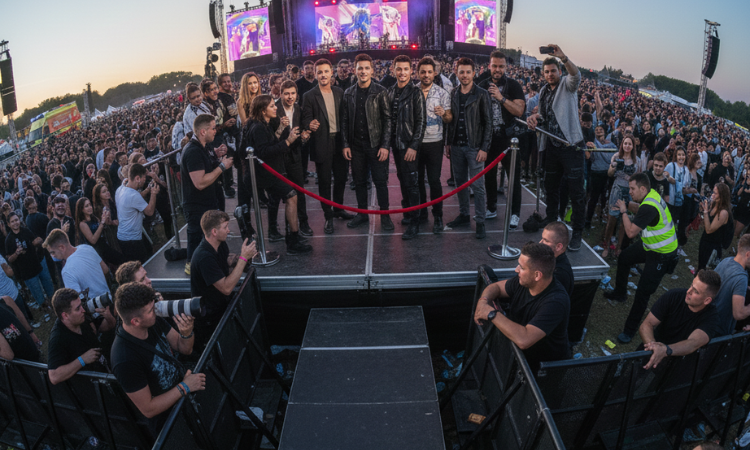
VIP sections require strict control due to high-profile guests and restricted access. Unauthorized entry threatens safety and can cause public disturbances. Crowds may attempt to reach VIP areas out of curiosity. Guards must enforce access rules while remaining polite and discreet.
Continuous monitoring prevents intrusion and protects the guest’s privacy. Coordination with event staff ensures a smooth flow of movement while keeping VIP zones secure. Guards balance security and hospitality to create a safe, comfortable environment for VIP attendees.
Situation Management
Dedicated staff monitor VIP areas continuously, verifying credentials and controlling access. Coordinating with event teams ensures restricted zones remain secure while allowing smooth movement, maintaining both safety and a comfortable experience for high-profile guests.
Emergency Evacuation and Fire Safety Risks
Emergencies such as fire, structural issues, or natural hazards require immediate action. Panic and confusion can increase the risk of injury. Exits may become blocked if attendees are not guided properly. Guards play a critical role in leading evacuations, maintaining calm, and coordinating with emergency responders. Plans for evacuation, signage, and trained staff ensure attendees leave safely. Clear guidance and quick response prevent chaos and protect both people and property during critical situations.
Situation Management
Clear evacuation plans and well-marked exits guide attendees safely during emergencies. Coordinating with emergency services, maintaining calm communication, and ensuring pathways remain unobstructed prevent panic and protect everyone in the venue efficiently.
Ending Lines:
Effective event security depends on careful planning, on ground awareness, and the ability to react without delay when something feels off. From managing crowd movement to resolving disputes calmly, security personnel play a direct role in keeping the atmosphere controlled and safe. They monitor entry points, restrict unauthorized access, and stay alert for risks that could disrupt the event or put people in danger. Their visible presence alone discourages trouble, while their training allows them to act fast during medical issues, emergencies, or unexpected situations.
When security is handled professionally, events run smoothly, assets remain protected, and guests feel comfortable staying engaged rather than concerned about safety. Choosing reliable event security guard services ensures every phase of the event is covered properly, giving organizers peace of mind and allowing attendees to focus on enjoying the experience without unnecessary stress.
FAQs:
How do security guards handle situations?
Security guards stay alert, assess risks, and communicate with their team. They control crowds, manage conflicts, and respond quickly to emergencies. Their training allows them to act calmly and professionally, ensuring safety for attendees and smooth event operations.
What are the challenges for security guards?
Security guards face overcrowding, aggressive behavior, communication gaps, and emergencies. They must make quick decisions under pressure, maintain order, and adapt to unexpected situations. Staying vigilant for long hours while keeping attendees safe is a constant challenge.
How do guards manage crowd control during large events?
Guards monitor crowd flow, guide attendees, block restricted areas, and adjust movement patterns to prevent congestion or stampede-like situations.
What actions do security guards take during emergencies at events?
They secure the area, assist affected individuals, communicate with event management, and coordinate with emergency services to control the situation quickly.