

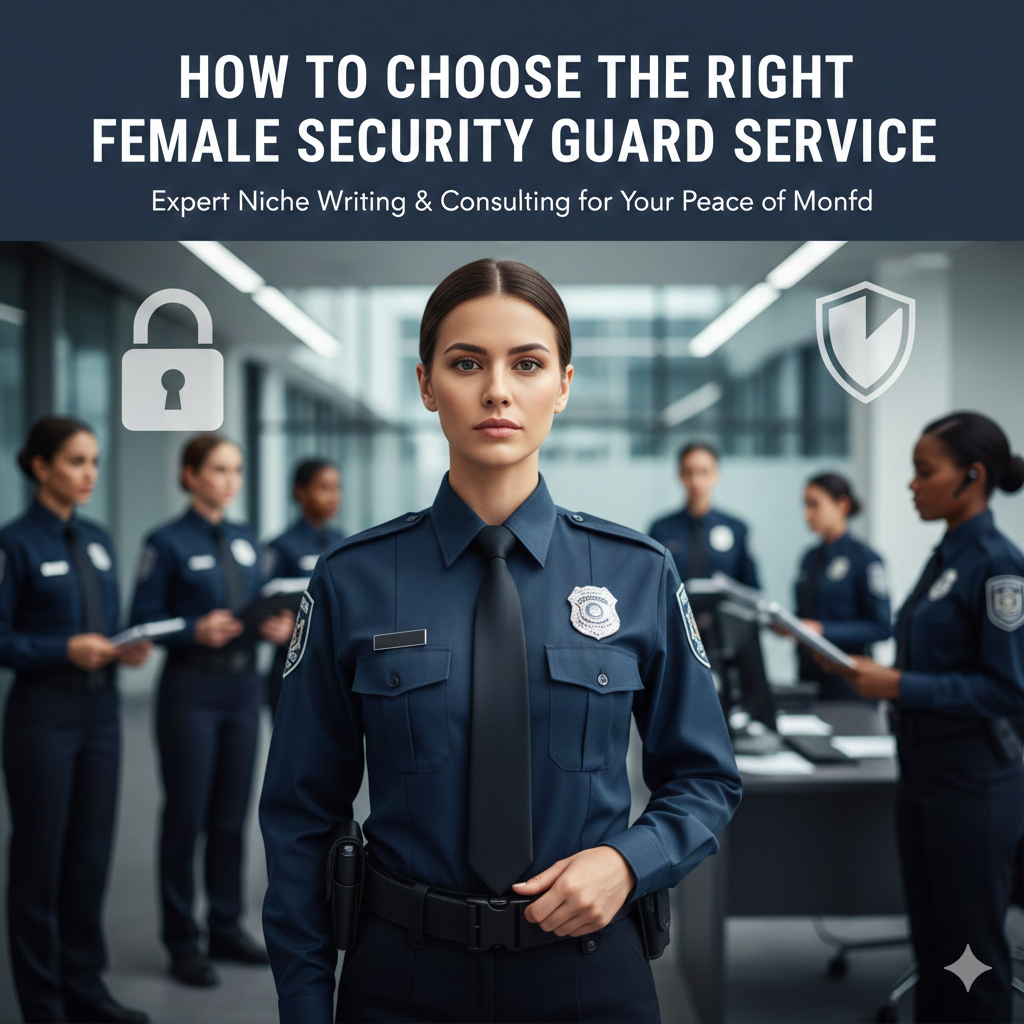
Choosing the right female security guard service is an important decision for any organization, business, or private property owner. Female security guards play a vital role in places where privacy, comfort, and respectful handling of situations matter. Schools, hospitals, shopping malls, offices, residential areas, and events often need female guards to manage security while maintaining a calm and supportive environment.
A poor choice can lead to safety gaps, communication issues, and legal trouble, while the right service adds confidence, order, and trust. Careful planning and clear evaluation help ensure that the guards hired meet real security needs and match the nature of the site.
A Complete Guide to Selecting a Reliable Female Security Guard Service
This section brings all key points together and creates a clear flow for the discussion ahead. It helps connect planning, evaluation, and selection factors so the process stays practical, organized, and easy to follow from start to finish.
Defining Your Exact Security Needs
Every location has its own security requirements, which makes it important to clearly define what level of protection is needed before hiring a female security guard service. Some sites only require basic access control, while others need active patrolling, visitor coordination, or emergency assistance. Female guards are often preferred in places where women, children, or families are present, as they help maintain comfort and privacy.
Hospitals may need female guards to support female patients, while schools often require supervision during opening and closing hours. Retail environments may need theft prevention handled in a calm and respectful manner. Listing daily duties, shift timings, expected conduct, and responsibilities helps prevent confusion later. Clear security needs also help the service provider assign guards with the right training, experience, and temperament for the location.

Identifying the Type of Location and Risk Level
The nature of the location plays a major role in deciding what type of female security guard service is suitable. A corporate office usually faces different risks compared to a shopping mall, residential building, or public event. Locations with heavy foot traffic often deal with crowd control, visitor management, and conflict prevention. Private or restricted areas may focus more on controlled entry and monitoring.
Risk assessment includes reviewing past incidents, nearby crime patterns, operating hours, and the presence of valuable property. Low risk sites may only need observation and reporting, while higher risk locations require guards trained for emergencies and conflict handling. A service provider that understands the site environment can plan staffing and procedures more effectively, resulting in better safety management and smoother daily operations.
Checking Training and Professional Background
The quality of training directly affects how well a female security guard performs her duties. Professional training should include access control, patrolling techniques, emergency response, first aid, fire safety, and communication skills. Some environments also require training in cultural awareness and customer handling. A responsible security company focuses on continuous training rather than one-time instruction.
Reviewing training records, certifications, and refresher programs helps measure guard readiness. Guards with proper training remain calm under pressure and follow correct procedures during incidents. This reduces mistakes and prevents minor situations from turning into serious problems. A strong professional background also shows discipline, confidence, and awareness, which are important for maintaining order and safety in any setting.

Verifying Licensing and Legal Compliance
Licensing and legal compliance protect both the client and the security service provider. Female security guards must meet legal requirements related to age, background checks, and formal training. A registered security company follows local regulations and ensures guards are properly authorized to work. Insurance coverage is equally important, as it protects clients from liability in case of accidents, injury, or misconduct.
Before finalizing any agreement, clients should request copies of licenses, registration certificates, and insurance documents. Hiring an unlicensed service can result in legal penalties and financial loss. Compliance shows that the company operates responsibly and follows professional standards. Legal verification builds trust and ensures that security services are delivered within the boundaries of the law.
Evaluating Experience in Similar Environments
Experience is a key factor when selecting a female security guard service. Guards who have worked in similar environments understand common challenges and respond more effectively. For example, a guard experienced in hospital security understands patient privacy and emotional sensitivity, while retail security experience involves discreet theft prevention and customer interaction.
Asking about previous assignments, industries served, and years of operation helps evaluate suitability. Long-term experience also reflects stability and professionalism within the company. Experienced guards require less supervision and adjust quickly to site routines. Familiarity with similar environments reduces mistakes and improves confidence, which helps maintain safety and smooth operations throughout the day.

Assessing Communication and Interpersonal Skills
Communication plays a major role in effective security management. Female security guards regularly interact with staff, visitors, customers, and sometimes upset individuals. Clear communication helps explain rules, give directions, and calm tense situations. A polite tone, confident posture, and respectful language build trust while maintaining authority.
Interpersonal skills also help guards collect information and report incidents accurately. Observing how guards speak during interviews or site visits gives insight into their professionalism. Guards with strong communication skills handle conflicts calmly and reduce misunderstandings. Good interaction creates a safer and more comfortable environment, especially in public-facing locations where cooperation from people is important.
Ensuring Physical Fitness and Alertness
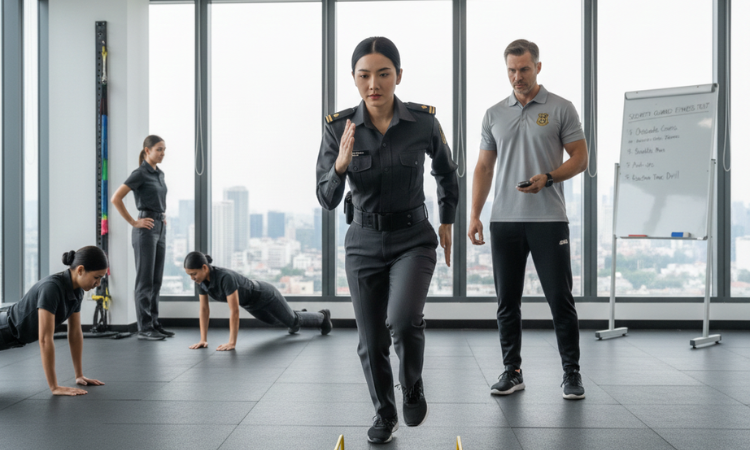
Security duties often involve long hours of standing, patrolling large areas, and responding quickly to unexpected situations. Physical fitness helps female security guards remain active and attentive throughout their shifts. Alertness is especially important in busy locations where distractions are common. Regular health checks and fitness assessments show that the service provider values guard readiness.
Fit and alert guards notice suspicious behavior early and respond before issues escalate. Physical readiness does not mean aggressive behavior, but the ability to move quickly, remain focused, and handle physical demands of the job. A physically prepared guard supports consistent and reliable security coverage.
Reviewing Company Reputation and Client Feedback
A security company’s reputation gives a clear picture of its service quality and reliability. Client reviews, testimonials, and references help understand how the company performs in real working conditions. Past clients usually mention points such as punctuality, guard behavior, communication, and problem handling. Consistent positive feedback shows that the company follows proper hiring, training, and supervision practices.
Speaking directly with existing or previous clients helps confirm the company’s claims and gives honest insight into daily operations. A well-reputed service provider handles complaints responsibly and maintains discipline among guards. Strong reputation reduces uncertainty and builds confidence in the service. Choosing a company with a proven track record supports smoother operations, fewer service issues, and better long-term satisfaction for the client.
Confirming Availability and Shift Flexibility
Security needs do not always remain the same and may change due to events, emergencies, or operational demands. A dependable female security guard service offers flexible shift planning and backup staff support. Guards may be required during night hours, weekends, or extended shifts, depending on the site. Confirming availability in advance helps avoid coverage gaps that can create safety risks.
Some locations also need immediate replacement if a guard becomes unavailable due to illness or leave. A company with sufficient trained staff can manage such situations without disruption. Shift flexibility reflects proper planning and resource management. Reliable availability ensures continuous security coverage and prevents last-minute arrangements that often lead to service problems.
Comparing Service Cost and Contract Terms
Cost is an important factor when selecting a female security guard service, but it should not reduce service quality. Comparing different service packages helps understand what is included, such as supervision, reporting, or emergency support. Contract terms should clearly explain duties, working hours, replacement policy, and payment structure. Reading agreements carefully helps avoid confusion and disputes later.
A fair balance between pricing and service standards leads to better long-term results. Transparent pricing reflects honesty and professional conduct. Clear contract terms protect both the client and the service provider. When expectations are clearly defined, the working relationship remains stable and smooth over time.

Importance of Supervision and Performance Monitoring
Supervision plays a key role in maintaining consistent security standards. A reliable service provider assigns supervisors to conduct regular site visits and performance checks. Monitoring includes attendance tracking, duty compliance, incident reporting, and feedback review. Supervision improves accountability and encourages guards to follow assigned responsibilities properly.
Regular reports keep clients informed about site conditions and any issues that arise. Early identification of concerns allows quick correction before problems grow. Strong monitoring systems help maintain discipline and service quality. Proper supervision builds trust and ensures that security services remain reliable and well-managed throughout the contract period.
Cultural Sensitivity and Workplace Behavior
Female security guards often work in environments where respectful behavior and cultural awareness are very important. Schools, hospitals, offices, and religious locations require guards who understand social boundaries and workplace expectations. Cultural sensitivity improves communication and reduces misunderstandings with staff and visitors.
Professional behavior includes appropriate dress, polite language, and respectful interaction at all times. Guards trained in workplace conduct represent both the client and the security company in a positive way. Sensitivity training helps prevent complaints and supports cooperation from the public. Respectful conduct creates a comfortable atmosphere and strengthens trust between guards, staff, and visitors.
Emergency Preparedness and Crisis Handling
Emergency situations test the real capability of any security service. Preparedness includes proper training for fire incidents, medical emergencies, evacuations, and conflict handling. Female security guards should be familiar with emergency exits, alarm systems, and reporting procedures. Calm and organized response during a crisis helps protect people and property.
Asking about emergency drills and response planning helps measure the service provider’s readiness. Guards who receive regular training respond quickly without panic. Proper preparation reduces confusion and damage during critical moments. Effective crisis handling shows professionalism and strengthens overall safety management at the site.
Technology Awareness and Reporting Skills
Modern security duties often require basic technology handling. Female security guards may use CCTV systems, access control devices, or digital reporting tools during their shifts. Technology awareness helps improve monitoring and incident response. Accurate reporting plays an important role in documentation and future planning.
Clear and detailed reports support investigations and protect clients during disputes. A service provider that trains guards in reporting and system use improves accountability and operational clarity. Proper reporting ensures transparency and supports better coordination between guards, supervisors, and clients. Technology skills strengthen daily security operations and service reliability.
Building Long-Term Trust With the Service Provider
Selecting a female security guard service is not only a short-term decision. Long-term cooperation helps guards understand site routines, staff movement, and daily patterns. Familiarity improves response time and reduces mistakes. Trust grows when the service provider listens to feedback and makes necessary improvements. Regular communication and review meetings strengthen coordination. A trusted service provider becomes a dependable partner rather than just a contractor. Long-term trust fosters stable security arrangements and consistent service quality, benefiting both safety and daily operations.
Conclusion:
Selecting the right female security guard service requires thoughtful evaluation and planning. Each factor, from defining security needs to reviewing company reputation, plays a role in ensuring safety and peace of mind. Female security guards contribute not only to protection but also to comfort and respectful interaction in sensitive environments. A reliable service provider invests in training, legal compliance, supervision, and communication skills. Taking time to assess these aspects leads to better outcomes and long-term satisfaction. The right choice supports a safe environment where people feel protected and respected every day.
FAQs:
What is the role of a female security guard?
A female security guard maintains safety by monitoring premises, controlling access, patrolling, and responding to incidents. She provides assistance to visitors, especially women and children, ensures rules are followed, and creates a secure, respectful environment. Her presence helps prevent theft, conflicts, and emergencies effectively.
What is a female guard called?
A female guard is called a female security guard or security officer. The title is the same as male guards, indicating professional duties rather than gender. Female guards are employed in workplaces, schools, hospitals, and public spaces where their presence ensures safety and comfort, especially for women and children.
What are the 5 duties of a security guard?
Five main duties of a security guard include monitoring the premises, patrolling assigned areas, controlling entry and exit, responding to emergencies, and reporting incidents. They also enforce rules, assist visitors, prevent theft or damage, and maintain order, ensuring a safe and secure environment for staff and the public.
Can you be a female security guard?
Yes, women can work as security guards. Female guards perform the same duties as men and are trained professionally. They are preferred in schools, hospitals, offices, and events where interaction with women, children, or the public requires respect, communication, and privacy while maintaining overall safety.