
Professional security services play a major role in protecting people, property, and sensitive environments. Security work goes far beyond standing at a gate or wearing a uniform. Real protection depends on how well security personnel are prepared for real situations. Training and protocols form the base of professional security services. They guide guards on how to act, react, communicate, and make decisions during normal duties and difficult moments. Without proper preparation, security staff may act randomly, which increases risk instead of reducing it.
A trained guard understands responsibility, follows defined procedures, and works with control. Protocols give direction, while training builds confidence and skill. Together, they create a structured security system that works consistently across different locations and situations. This article explains why training and protocols matter so much in professional security services and how they shape safety, discipline, and trust.
Importance of Training and Protocols
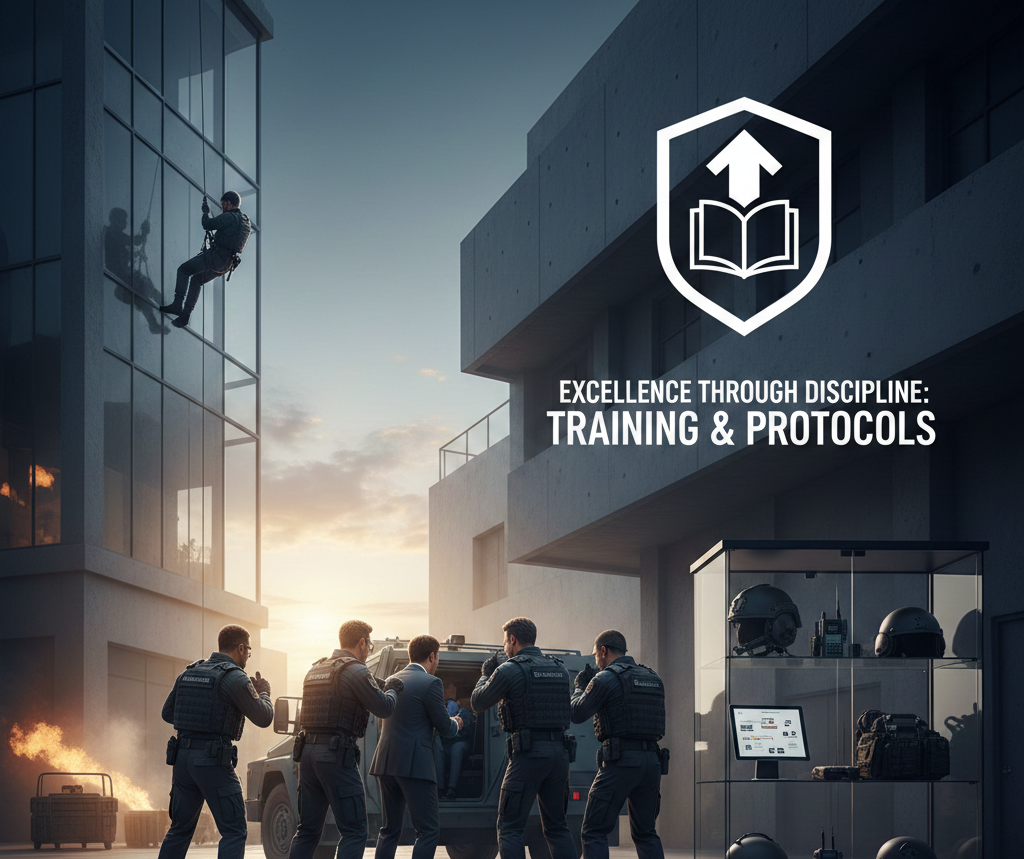
Training and protocols form the backbone of professional security services. They guide guards on how to act, respond, and communicate during daily duties and emergencies. Clear procedures ensure consistency, reduce risk, and build confidence in every security team.
Training Shapes Professional Security Mindset
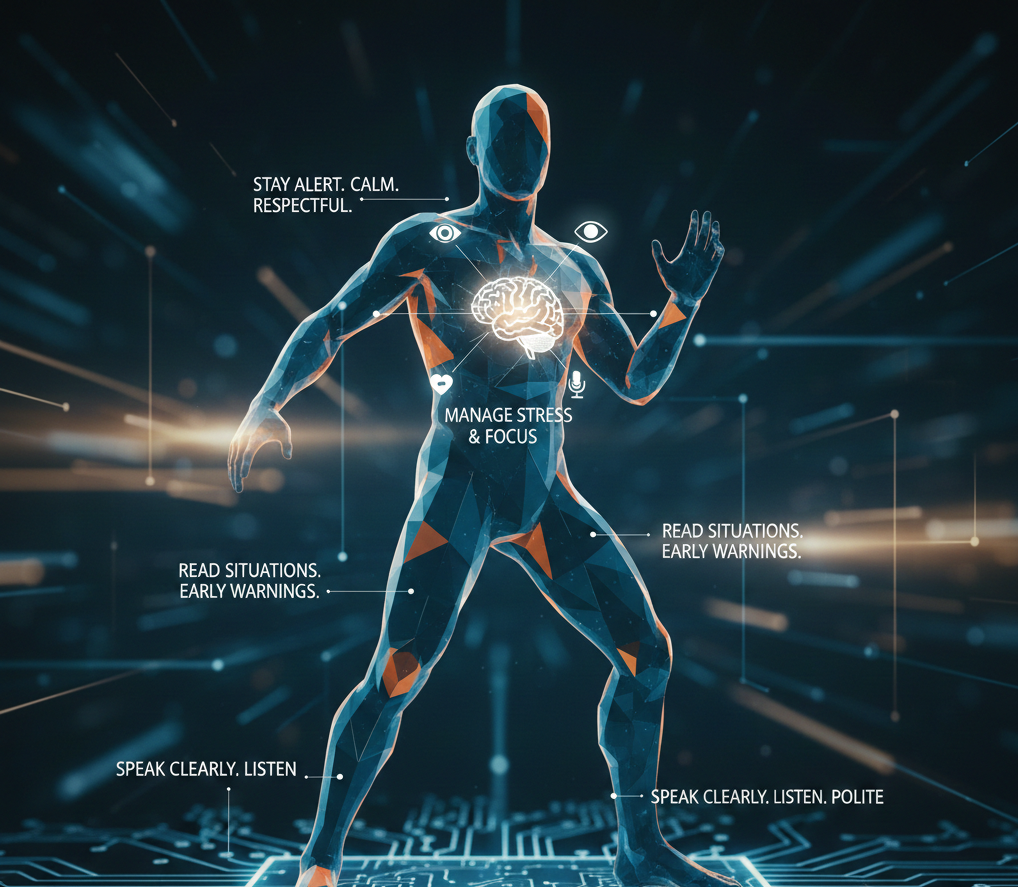
Training develops the mindset that separates professional guards from unprepared personnel. A trained guard learns to stay alert, calm, and respectful at all times. Security work often involves long hours, pressure, and unpredictable situations. Training helps guards manage stress and stay focused. Physical strength alone does not make a good security guard.
Mental preparation matters just as much. Training teaches guards how to read situations, observe behavior, and notice early warning signs. This awareness helps prevent problems before they grow. Communication training also plays a strong role. Guards learn how to speak clearly, listen carefully, and handle people politely. This reduces conflict and builds cooperation. A trained mindset allows guards to act with purpose instead of reacting emotionally. This professional approach creates a safer environment for everyone present at the site.
Role of Protocols in Daily Security Operations
Protocols give clear direction to daily security duties and remove uncertainty from routine work. From the moment a guard starts a shift, protocols explain how tasks should be handled in an organized way. Entry checks, patrol schedules, visitor handling, and reporting all follow defined steps. This structure helps guards stay focused and confident during long working hours.
When procedures are clear, guards do not rely on personal judgment for routine matters. Consistency remains strong even when shifts change or new guards join the site. Protocols also strengthen teamwork because every guard follows the same working pattern. Supervisors find it easier to guide staff and review performance through standard routines. Over time, repeated practice builds discipline and professionalism. Daily operations run smoothly, and small mistakes are reduced before they turn into larger problems.
Prepared Response During Emergency Situations
Emergencies reveal the real strength of a security service. Panic and confusion can quickly worsen any incident if guards are not prepared. Training helps security personnel remain calm and act with control during stressful moments. Fire incidents, medical cases, security threats, or crowd disturbances require immediate and correct response.
Protocols guide guards step by step, helping them understand whom to inform, how to control the area, and how to protect people until help arrives. Practice drills improve confidence and response speed. Guards who understand emergency procedures act with purpose rather than fear. This organized response limits damage and prevents chaos. People around feel reassured when security handles emergencies in a structured manner. Strong emergency readiness highlights the importance of training and clear protocols in professional security work.
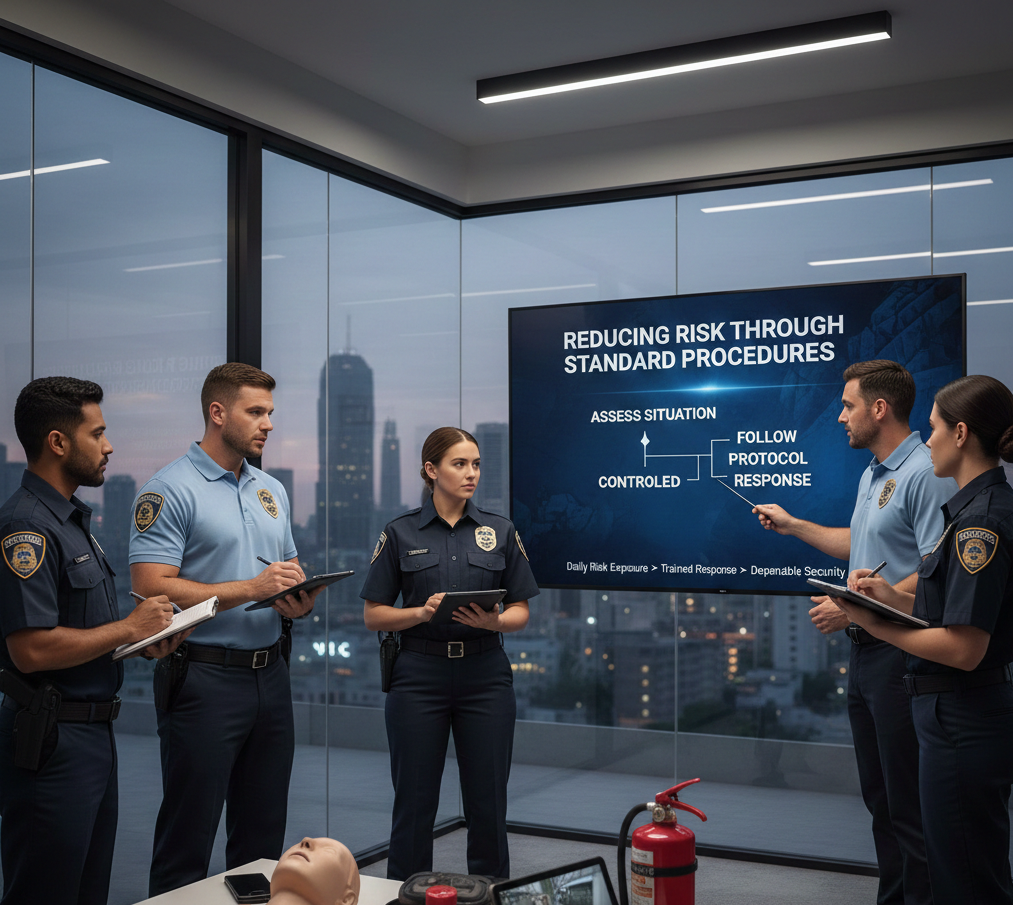
Reducing Risk Through Standard Procedures
Security duties involve daily risk exposure, especially when situations change suddenly. Without training and standard procedures, guards may react emotionally or make unsafe decisions. Training helps guards understand how to assess situations carefully and respond in a controlled way. Protocols support this process through fixed steps that guide actions during routine and tense moments.
Clear procedures reduce guesswork and prevent overreaction. Guards follow approved methods instead of personal assumptions. This reduces misuse of authority and delayed responses. Risk control becomes part of everyday work rather than an occasional effort. When every guard operates within defined boundaries, security services remain dependable. Clients feel confident knowing trained professionals handle safety through planned actions rather than impulsive decisions.
Building Discipline and Accountability
Discipline forms the backbone of professional security services. Training develops discipline in appearance, behavior, time management, and duty performance. Protocols strengthen accountability through clear responsibilities. Guards understand what is expected and what happens if procedures are ignored. Daily logs, reports, and checklists create a system that records actions and incidents.
This supports transparency and allows supervisors to review performance fairly. Accountability encourages guards to stay alert and committed throughout their shift. Discipline improves consistency even during long or demanding duties. A disciplined team reflects reliability and professionalism. Strong accountability also builds trust between guards, supervisors, and clients. Structured training and protocols help maintain high standards across all security operations.
Improving Public and Client Trust
Trust plays a major role in effective security services. People feel safer around guards who behave calmly and professionally. Training improves communication skills, body language, and interaction with the public. Guards learn how to manage situations respectfully, especially in sensitive environments. Protocols guide behavior during conflict or high-pressure moments.
This reduces misunderstandings and complaints. Clients notice when guards follow procedures and handle issues with patience. Predictable actions create confidence among staff, visitors, and residents. A trained security team reflects positively on the service provider. Trust grows naturally when guards act responsibly and consistently. Strong public cooperation supports smoother security operations and long-term client relationships.
Continuous Training and Skill Development
Security challenges change with time, and static skills are not enough. Continuous training helps guards stay prepared for evolving risks and working environments. Refresher sessions improve existing knowledge and correct weak areas. Practical training based on real scenarios strengthens decision-making.
Protocols also require regular updates to match new safety standards. Ongoing learning keeps guards confident and alert. Skill improvement increases motivation and job satisfaction. A culture of continuous development strengthens the entire security setup. Training remains an ongoing process throughout a guard’s career. Updated skills support better performance and reliable service delivery.

Supporting Legal and Ethical Responsibilities
Security personnel operate within legal and ethical limits that protect everyone involved. Training helps guards understand these boundaries clearly. Laws, regulations, and professional conduct guidelines shape daily behavior. Protocols guide actions within approved limits and reduce the risk of misuse of authority.
Ethical training promotes fairness, respect, and responsibility. Guards learn how to handle difficult situations without crossing legal lines. Legal awareness reduces disputes and protects the service provider from penalties. A security team that follows lawful practices earns credibility. Training and protocols support responsible conduct and protect the rights of the public, clients, and security staff.
Conclusion:
Training and protocols form the backbone of professional security services. They shape behavior, improve decision making, and guide actions during both routine duties and emergencies. Without preparation and structure, security work becomes unpredictable and risky.
Training builds skill, confidence, and discipline. Protocols create consistency, accountability, and clarity. Together, they reduce risk, improve trust, and strengthen safety outcomes. Professional security services rely on continuous learning and clear procedures to protect people and property effectively. Investment in training and strong protocols leads to better protection, smoother operations, and long term reliability.
Frequently ASked Qestions:
Why are training and protocols important in professional security services?
Training prepares security guards to handle responsibilities with confidence, discipline, and control. Protocols give clear instructions for daily tasks and emergency response. Together, they help guards make correct decisions, reduce mistakes, and maintain a consistent level of safety for people, property, and sensitive locations.
How do security protocols help during emergencies?
Security protocols provide step-by-step guidance during emergencies such as threats, accidents, or crowd issues. These procedures help guards respond quickly without panic, coordinate actions with other team members, and secure the area properly until support arrives, reducing confusion and potential harm.
Can trained security guards prevent incidents before they happen?
Yes, trained security guards develop strong observation and risk assessment skills. They can notice unusual behavior, identify early warning signs, and take preventive actions. This allows them to manage situations calmly and stop small issues from turning into serious security incidents.
How do training and protocols reduce security risks?
Training improves judgment, communication, and situational awareness, while protocols guide guards through approved procedures. This combination reduces human error, prevents misuse of authority, and ensures actions are taken responsibly, helping lower overall risk and improve safety outcomes at the site.