
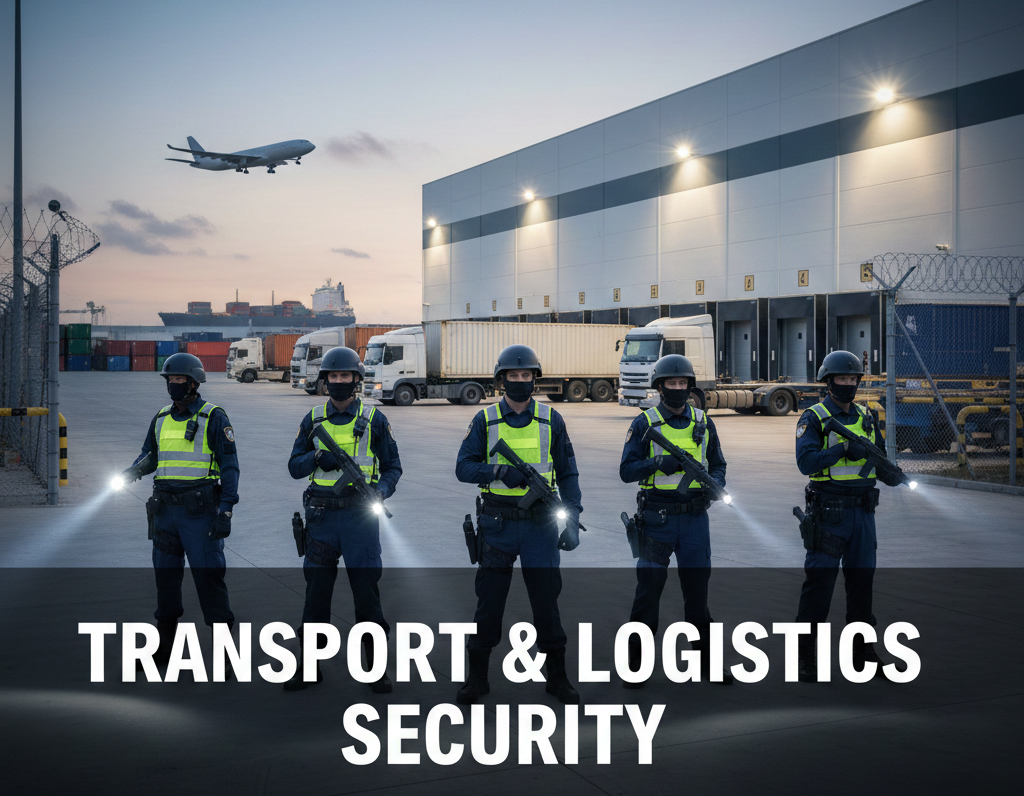
Transport and logistics facilities handle valuable goods every day, making them a frequent target for theft, damage, and unauthorized access. From warehouses and freight yards to ports and cargo terminals, security plays a direct role in keeping operations smooth and safe. Security guards in transport and logistics facilities help control movement, protect assets, and support daily operations without disruption. Their presence reduces risks and builds discipline across the site. As logistics operations grow faster and more complex, trained security guards become a key part of maintaining safety, order, and trust within the supply chain.
Why Do Transport and Logistics Facilities Need Security Guards ?
Transport and logistics facilities operate around the clock and involve constant movement of vehicles, workers, and goods. This nonstop activity creates multiple security gaps that cannot be managed without trained guards. High-value cargo, sensitive documents, fuel storage, and loading zones require close monitoring to avoid theft and misuse. Open yards and large premises also make these facilities vulnerable to trespassing and vandalism.
Security guards help control these risks through regular patrols, strict entry checks, and observation of daily operations. Their presence discourages criminal activity and keeps workers alert to security rules. Guards also help manage traffic flow within facilities, reducing accidents and confusion during peak hours. In case of disputes, suspicious behavior, or operational delays, guards act as the first point of response.
Without proper security, logistics businesses face losses, delays, and legal issues. Security guards help maintain discipline, protect goods, and support smooth operations. Their role becomes even more important when facilities operate in busy industrial zones or near public access areas.
Key Responsibilities of Security Guards in Logistics Operations
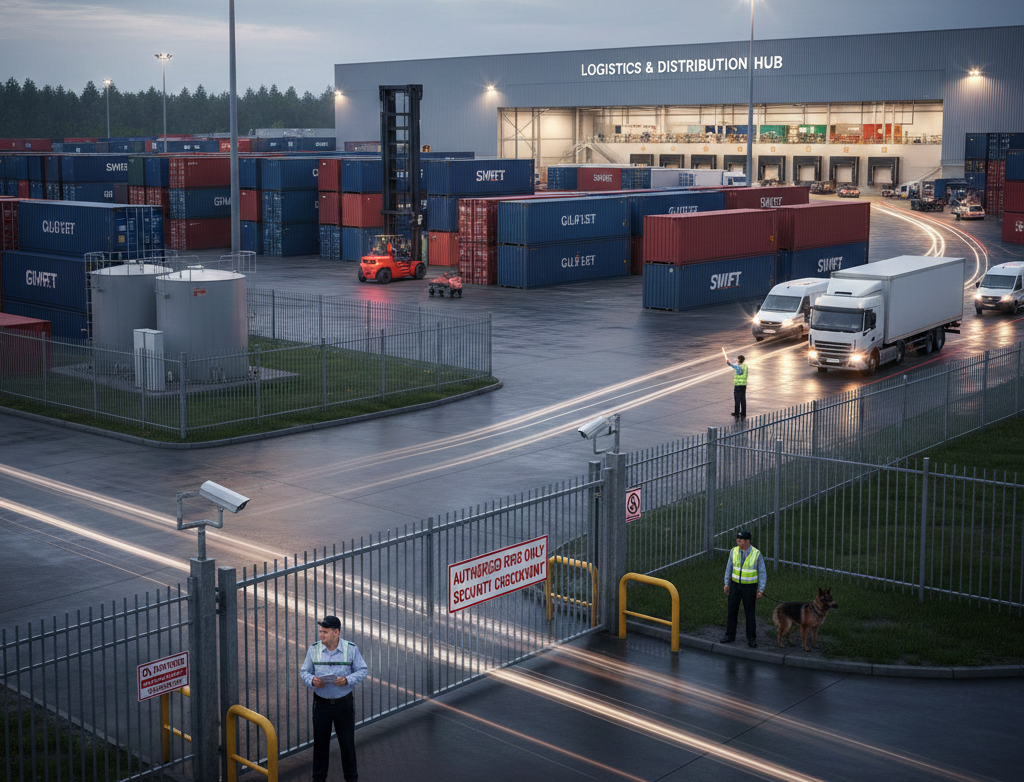
Security guards in logistics operations handle multiple responsibilities that keep daily activities safe and organized. Their role connects people, vehicles, and cargo under controlled movement. Each responsibility works together to reduce risks and support smooth operations across the facility.
Access Control and Entry Management
Access control forms the first line of protection in logistics facilities. Security guards conduct vehicle checks to confirm delivery details and driver credentials before entry. Driver verification helps prevent unauthorized access and fake transport requests. Staff entry control ensures only approved employees enter restricted areas. Gate security plays a key role in managing traffic flow and preventing congestion. Guards maintain entry logs that help track movement throughout the day. This structured approach connects security with operations, ensuring that every person and vehicle entering the facility follows proper procedures.
Cargo Protection and Theft Prevention
Once access is controlled, cargo protection becomes the next priority. Security guards monitor loading and unloading areas to prevent theft and mishandling. They observe seal checks to confirm containers remain secure during transit. Guards also track cargo movement within the facility to ensure goods reach the correct zones. Their presence discourages unauthorized handling and suspicious activity. This responsibility connects directly with access control, as verified entry helps protect cargo from internal and external threats. Proper monitoring supports accountability and reduces loss.
Yard and Perimeter Surveillance
Beyond cargo areas, yard and perimeter surveillance protects the entire facility. Security guards conduct regular patrols to check open yards, storage zones, and boundary lines. CCTV monitoring supports these patrols by covering blind spots and after-hours activity. Guards also inspect fencing to detect damage or tampering. Intrusion prevention depends on early detection and quick response. This responsibility links closely with cargo protection, as a secure perimeter reduces the chance of external threats reaching valuable goods inside the facility.
Vehicle and Fleet Security
Vehicle and fleet security ensures transport assets remain protected at all times. Security guards monitor parking yards to prevent unauthorized access and damage. They watch for tampering attempts and report issues without delay. Guards may escort trucks carrying high-value cargo during dispatch or arrival. These measures support safe vehicle movement and protect company resources. Fleet security connects with yard surveillance, as controlled parking and monitored routes reduce risks. Together, these responsibilities create a complete security framework for logistics operations.
Types of Transport and Logistics Facilities That Require Security
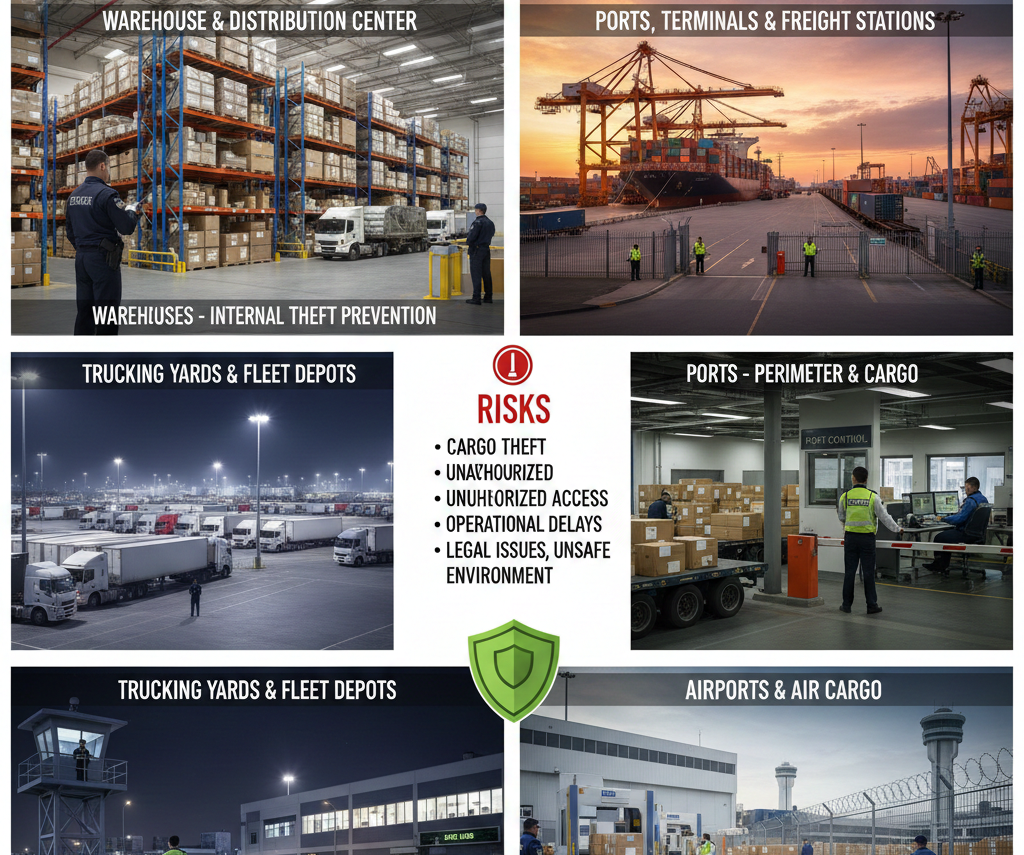
Different logistics facilities face unique security challenges based on location, cargo type, and activity level. Security guards adapt their approach to meet the specific needs of each facility while maintaining consistent protection standards.
Warehouses and Distribution Centers
Warehouses and distribution centers store large volumes of goods for extended periods. Security guards protect storage areas, control staff movement, and monitor loading docks. These facilities require close supervision due to frequent inventory handling. Guards help prevent internal theft and unauthorized access to storage zones. This role connects with access control and cargo protection, ensuring goods remain secure from arrival to dispatch. Proper security helps maintain inventory accuracy and operational efficiency.
Ports, Terminals, and Freight Stations
Ports, terminals, and freight stations handle high cargo volumes and involve multiple agencies. Security guards manage entry points, monitor cargo transfer zones, and support regulatory compliance. These locations require strict coordination due to heavy traffic and international shipments. Guards help maintain order and prevent unauthorized movement. This facility type connects perimeter surveillance with cargo protection, reducing risks in complex environments where goods move rapidly between transport modes.
Trucking Yards and Fleet Depots
Trucking yards and fleet depots remain active during both day and night. Security guards monitor parked vehicles, fuel areas, and dispatch points. Night-time supervision becomes critical to prevent theft and tampering. Guards also manage driver movement and vehicle exits. This facility type connects strongly with vehicle and fleet security, as parked assets require constant protection. Effective security reduces downtime and protects transport investments.
Airports and Air Cargo Facilities
Airports and air cargo facilities operate under strict safety standards. Security guards support controlled access, cargo screening, and perimeter protection. These facilities handle time-sensitive and high-value shipments, requiring precise monitoring. Guards coordinate with operational teams to manage secure zones. This environment connects all security responsibilities, combining access control, cargo monitoring, and surveillance. Strong security supports smooth air cargo movement and regulatory compliance.
Risks Faced Without Proper Security in Logistics Facilities
Lack of proper security exposes logistics facilities to serious risks. Cargo theft becomes easier without monitoring, leading to financial losses and insurance issues. Unauthorized access increases the chance of vandalism and damage to equipment. Poor control also leads to internal theft and misuse of resources.
Operational delays occur when security incidents disrupt workflows. Legal issues may arise if safety standards are not maintained. Workers also feel unsafe in unsecured environments, affecting productivity. These risks damage business reputation and client trust. Security guards help prevent such outcomes through discipline and constant presence.
Role of Trained Security Guards in Emergency Situations
Emergencies can occur at any time in logistics facilities. Accidents, fire incidents, or unauthorized entry require immediate response. Trained security guards act quickly to control the situation. They guide staff toward safe exits, secure affected areas, and inform emergency services.
Guards also help manage crowds and prevent panic. Their training allows them to follow procedures calmly during stressful situations. Quick response reduces damage, injuries, and downtime. Security guards play a key role in protecting both people and property during emergencies.
Technology Used Alongside Security Guards
Modern logistics security combines manpower with technology. Security guards work with CCTV cameras, access card systems, and alarm controls. These tools help detect suspicious activity early. Guards monitor screens and respond to alerts without delay.
GPS tracking and digital logs also support vehicle and cargo monitoring. Technology increases coverage, while guards provide judgment and action. This combination creates a balanced security system that supports accuracy and accountability across logistics facilities.
Benefits of Hiring Professional Security Guards for Logistics Facilities
Professional security guards bring experience, discipline, and reliability. Their presence reduces theft, improves safety, and supports smooth operations. Guards help maintain order and support compliance with safety rules.
Businesses benefit from reduced losses and better control over daily activities. Staff feel safer working in a protected environment. Professional guards also help build trust with clients handling valuable goods. Security services become a long-term investment in stability and efficiency.
How to Choose the Right Security Guard Service for Transport and Logistics?
Choosing the right security service requires careful evaluation. Experience in logistics security matters, as this field has unique challenges. Training standards, background checks, and supervision should meet industry requirements.
Reliable security companies offer flexible coverage and clear communication. Guards should understand facility layout and operational flow. Proper selection ensures security supports operations instead of causing delays.
Why Professional Security Guards Are Critical for Modern Logistics Operations?
Modern logistics relies on speed, coordination, and trust. Security guards support all three. Their role protects assets, manages access, and responds to issues before they escalate.
As logistics networks expand, security becomes more complex. Professional guards provide stability and structure within fast-moving environments. Their contribution helps logistics businesses operate with confidence and control.
Conclusion:
Security guards in transport and logistics facilities play a vital role in protecting goods, people, and operations. Their daily involvement reduces risks, supports efficiency, and creates a secure working environment. From access control to emergency response, their responsibilities remain central to logistics safety. Investing in trained security guards helps logistics businesses maintain reliability and trust across the supply chain. Strong security supports smooth operations and long-term business growth.