
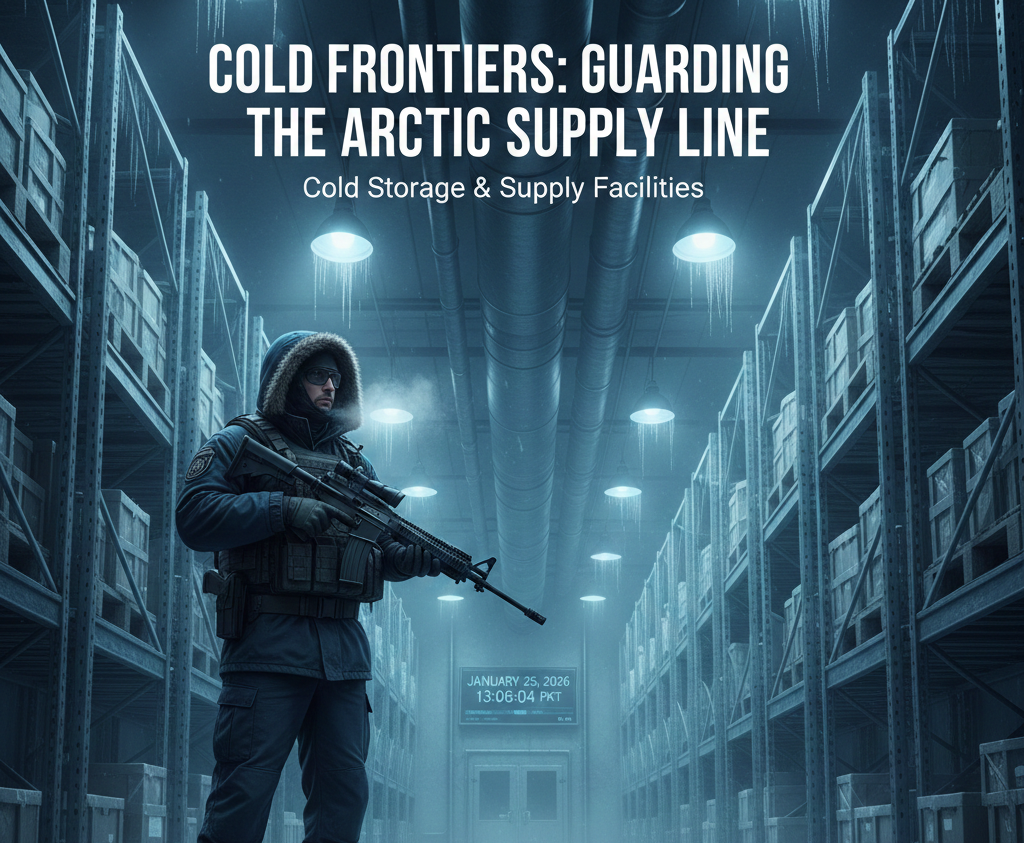
Guard duties in cold storage and supply facilities play a very important role in protecting temperature-sensitive goods, staff safety, and daily operations. These facilities store food, medicines, vaccines, and other items that can get damaged with even small mistakes. Cold environments, controlled zones, and continuous movement of goods make security work more demanding than regular sites. A trained guard helps maintain discipline, safety, and order inside such facilities while keeping goods protected at all times.
Guard Duties in Cold Storage and Supply Facilities
With trained guards, clear skills, and an understanding of daily challenges, cold storage facilities can maintain safe and controlled environments. To support these standards on a daily basis, security guards follow specific responsibilities that help protect goods, staff, and operations. Here are the key guard duties in cold storage and supply facilities.
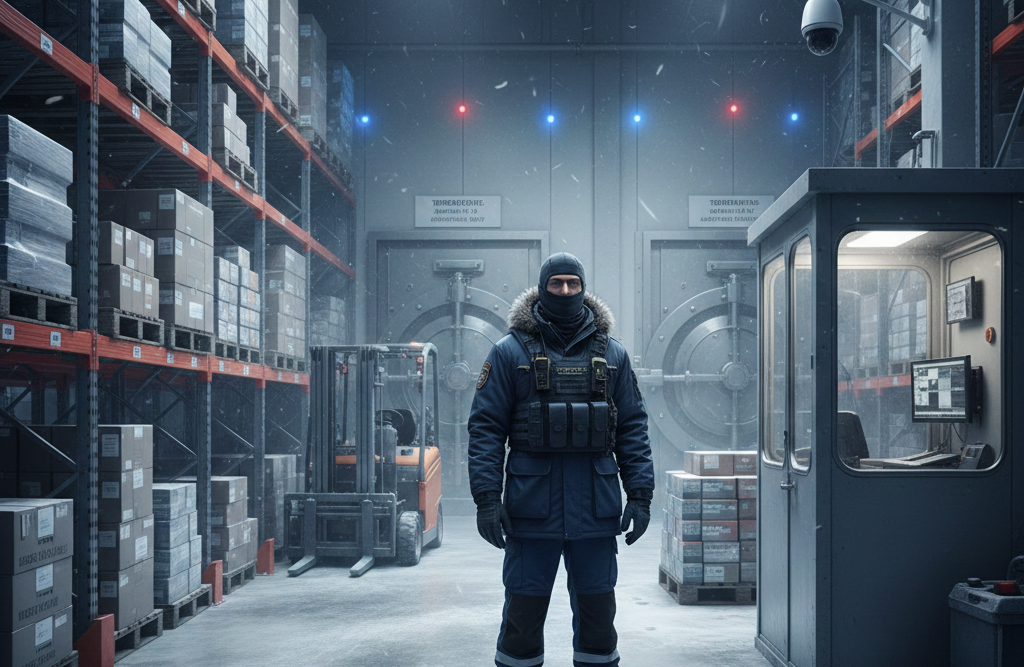
Access Control and Entry Monitoring
Cold storage facilities allow only authorized staff, vehicles, and visitors inside specific areas. Guards manage entry points to make sure no unauthorized person enters restricted zones. ID checks, visitor logs, and vehicle verification help reduce risks like theft, contamination, or mishandling of goods. Guards also guide delivery drivers to correct loading bays, helping operations run smoothly. Proper access control supports both security and hygiene rules, which are very important in temperature-controlled environments.
Temperature Zone Awareness and Safety Compliance
Cold storage sites contain multiple temperature zones, including freezing and chilled areas. Guards stay alert to zone markings and safety instructions. Protective clothing checks help prevent health risks like cold burns or fatigue. Guards also make sure doors are closed properly to maintain internal temperatures. Awareness of safety signs and basic cold-environment rules helps guards perform duties without affecting stored goods or personal safety.
Monitoring Goods Movement and Inventory Areas
Supply facilities handle continuous movement of products throughout the day. Guards monitor loading, unloading, and internal transfer of goods to reduce loss or damage. Supervision during peak delivery hours helps prevent unauthorized removal or mishandling. Guards remain observant near storage racks, docks, and packing zones. Their presence builds discipline among staff and transport teams, supporting smooth and controlled operations.
Emergency Handling and Incident Response
Cold storage facilities depend on power systems, refrigeration units, and alarms. Guards respond quickly during emergencies such as power failure, temperature alerts, equipment malfunction, or medical issues. Immediate reporting to supervisors helps protect stored items from spoilage. Guards also assist staff during evacuation procedures or emergency drills. Quick action during unexpected situations reduces damage and keeps operations stable.
Night Shift and After-Hours Security
Night hours increase risks due to limited staff presence. Guards stay active during night shifts, checking entry points, storage areas, and equipment zones. Regular patrols discourage theft and unauthorized access. Monitoring alarms and CCTV screens during quiet hours helps detect problems early. Strong night security protects valuable goods when supervision from management is limited.
Coordination with Warehouse and Supply Teams
Security guards work closely with warehouse staff, supervisors, and transport teams. Clear communication helps manage deliveries, internal movement, and emergency situations. Guards also guide new staff and drivers regarding safety rules and access points. Team coordination improves efficiency and reduces confusion during busy supply schedules.
Surveillance Systems and Alarm Monitoring
Modern cold storage facilities use CCTV cameras, motion sensors, and temperature alarms. Guards monitor these systems to identify unusual activity or system faults. Alarm response plays a key role in preventing theft and protecting goods from temperature changes. Regular checks of surveillance systems support overall facility safety.
Hygiene and Clean Zone Enforcement
Many cold storage sites store food and medical supplies that require strict hygiene standards. Guards help enforce clean zone rules, protective clothing use, and restricted access. Preventing unnecessary movement between zones reduces contamination risks. Security support strengthens compliance with facility hygiene policies.
Reporting and Documentation Duties
Guards maintain daily logs, incident reports, visitor records, and shift handover notes. Accurate documentation helps management review security performance and address issues quickly. Reports also support audits and safety inspections. Strong record-keeping improves accountability across shifts.
Skills Required for Cold Storage Security Guards
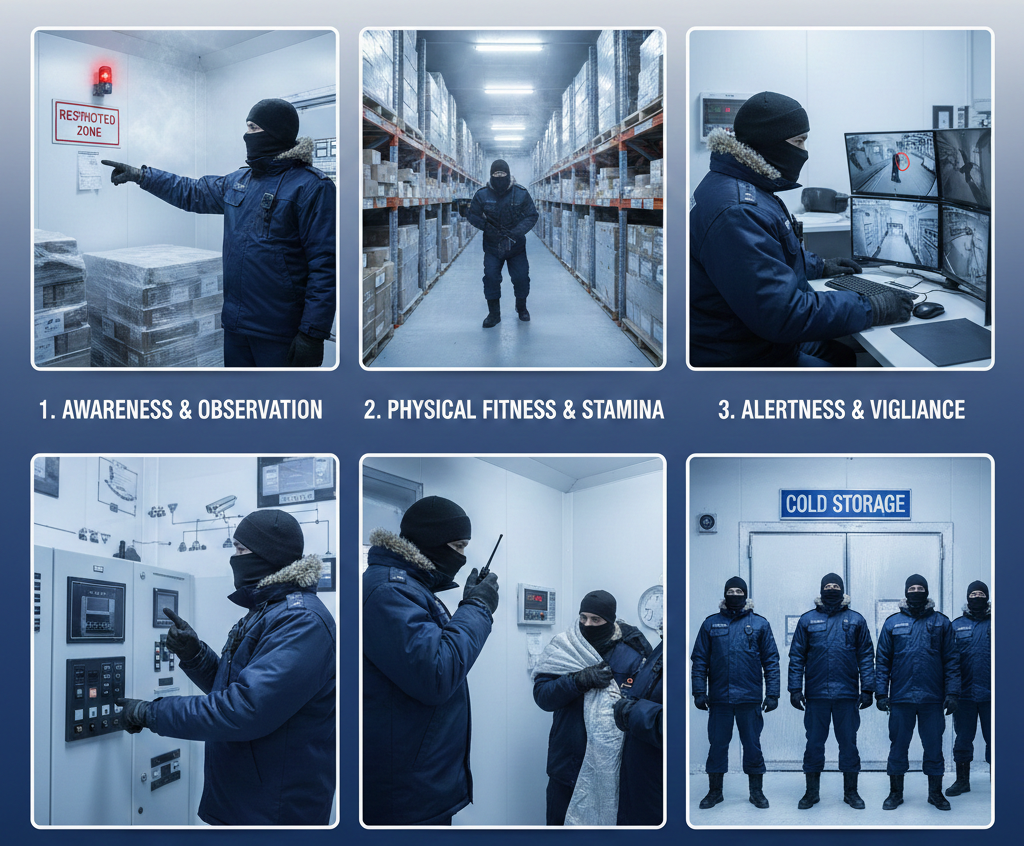
Cold storage security guards need a special set of skills to work safely and effectively in temperature-controlled environments. Awareness is one of the most important skills because guards must stay conscious of restricted zones, safety signs, and movement of goods. A small mistake can affect stored products or staff safety. Physical fitness also matters since guards spend long hours standing, patrolling, and moving between chilled areas. Cold conditions can put pressure on the body, so good stamina helps guards stay active and focused during shifts.
Alertness plays a major role in daily duties. Guards must notice unusual activity, alarm signals, or temperature changes without delay. Strong observation helps prevent theft, damage, or operational disruption. Basic equipment knowledge is another key skill. Guards should understand CCTV systems, access control panels, alarms, and communication devices. This knowledge helps them react quickly during alerts or system faults.
Emergency handling skills complete the role. Guards may face power failures, equipment breakdowns, or medical issues caused due to cold exposure. Calm decision-making, quick reporting, and correct action help protect goods and people. These combined skills help guards perform confidently in demanding cold storage environments.
Challenges Faced by Guards in Cold Storage Facilities
Working in cold storage facilities presents daily challenges that test both physical and mental strength. Continuous exposure to low temperatures can cause discomfort, fatigue, and reduced concentration. Even with protective clothing, long hours in chilled zones can affect health and energy levels. Guards must balance safety with performance during every shift.
Long working hours also create pressure. Cold storage sites often operate day and night, which means guards handle extended shifts and night duties. Staying alert for long periods in quiet environments requires strong discipline and focus. Limited movement inside certain storage zones adds another challenge. Guards cannot freely walk everywhere due to temperature control rules, which can make patrolling more demanding.
Safety compliance remains a constant responsibility. Guards must follow strict rules related to hygiene, access control, and protective gear. Any lapse can lead to safety risks or product damage. Coordination with staff while following these rules can be stressful during busy supply hours. Despite these challenges, trained guards adapt through experience, discipline, and teamwork to maintain secure operations inside cold storage facilities.
Why Professional Security Matters in Cold Storage Facilities?
Professional security plays a vital role in protecting cold storage facilities that handle high-value and temperature-sensitive goods. Risk reduction starts with trained guards who understand access control, surveillance systems, and emergency response procedures. Their presence discourages unauthorized entry and careless handling of stored items.
Asset protection remains a top priority. Food products, medicines, and medical supplies require controlled environments and careful supervision. Professional guards help prevent theft, loss, and internal misuse through constant monitoring and reporting. Staff safety also improves with trained security support. Guards assist workers during emergencies, guide visitors, and maintain order in high-risk zones. A secure environment helps staff focus on their tasks without fear or confusion.
Operational continuity depends on strong security management. Power failures, alarm alerts, or equipment issues need immediate attention. Professional guards report incidents on time and support quick action to reduce downtime. Clear communication and proper documentation help management respond effectively. Reliable security support keeps daily operations running smoothly while protecting valuable goods and people inside cold storage facilities.
Conclusion:
Guard duties in cold storage and supply facilities require vigilance, discipline, and knowledge of cold-environment risks. Guards manage access, monitor the movement of goods, and respond quickly to emergencies like power failures or equipment malfunctions. Their presence ensures the safety of staff, prevents theft or damage, and maintains proper storage conditions. Professional security support keeps daily operations smooth and protects valuable, temperature-sensitive items at all times.