
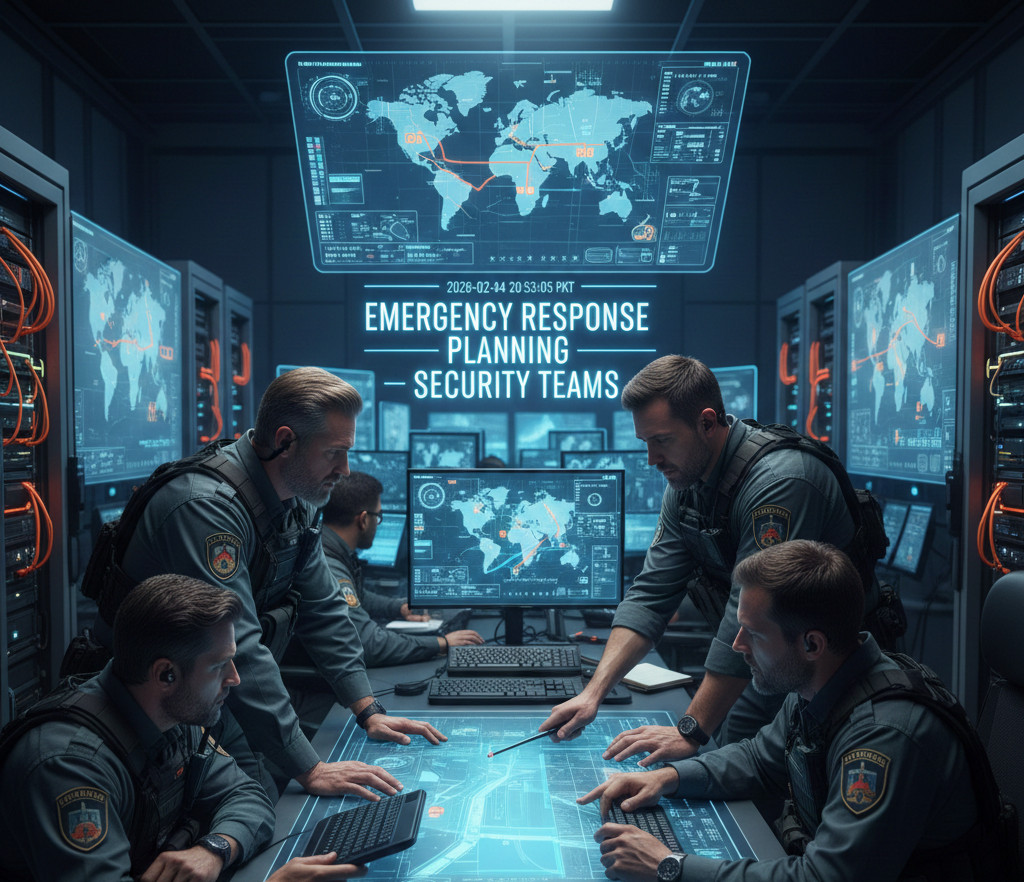
Emergency response planning for security teams plays a major role in protecting people, property, and operations during unexpected situations. Emergencies can happen at any time, including fires, medical incidents, security threats, or natural disasters. Without proper planning, even a small incident can quickly turn into a serious problem. Security teams often become the first point of contact during such situations, so their actions matter a lot. A clear and practical emergency response plan helps guards act quickly, stay calm, and follow proper procedures. It also reduces confusion and panic during stressful moments. Organizations that invest time in emergency response planning create a safer environment for staff, residents, and visitors. This planning helps security teams respond with confidence and control, even under pressure.
What Is Emergency Response Planning?
Emergency response planning is the process of preparing security teams to handle different emergency situations in an organized and effective way. It involves identifying possible risks, setting clear procedures, and training guards on how to respond. This planning tells security staff what actions to take, who to contact, and how to protect people and property during an incident. Emergency response planning also includes coordination with management and emergency services. Instead of reacting randomly, security teams follow a structured approach. This reduces mistakes and delays. A well-prepared plan covers various scenarios and gives guards clear direction. When security teams understand their roles in advance, they can respond faster and make better decisions during real emergencies.
Why Emergency Response Planning Is Important for Security Teams?
Emergency response planning is important because security teams are often the first responders on site. Their actions during the first few minutes can control the situation or make it worse. Without planning, guards may panic or waste time deciding what to do. A proper plan gives them confidence and clarity. It helps reduce injuries, damage, and loss. Emergency planning also improves communication among guards and management. Everyone knows their responsibility, which avoids confusion. This planning also builds trust among residents, employees, and visitors. People feel safer knowing trained security teams are ready to handle emergencies. Over time, strong emergency response planning helps maintain order and stability during critical moments.
Common Emergencies Handled by Security Teams
Security teams deal with many types of emergencies depending on the location and environment. Fire incidents are one of the most common emergencies. Guards must react quickly to alert people, control access, and support evacuation. Medical emergencies also occur, including sudden illness, injuries, or accidents. Security teams often provide first response support until medical help arrives. Security threats such as theft, intrusions, or suspicious behavior require calm handling and quick reporting. Natural disasters like earthquakes, floods, or storms may affect buildings and safety systems. Power failures and technical breakdowns can also create security risks. Emergency response planning prepares security teams for all these situations so they can act without hesitation.
Key Elements of an Effective Emergency Response Plan
An effective emergency response plan includes several important elements. Risk assessment is the first step, where possible hazards are identified based on the site and surroundings. Clear roles and responsibilities are defined so each guard knows what to do during an emergency. Communication procedures explain how to alert management, emergency services, and people on site. Evacuation plans show safe exit routes and assembly points. Access control measures help prevent unauthorized entry during emergencies. Reporting procedures ensure incidents are documented properly. All these elements work together to create a strong and practical response system. A well-structured plan removes guesswork and helps security teams act with discipline and control.
Training Requirements for Security Teams
Training is a core part of emergency response planning. Security teams must receive regular training to stay prepared. Fire safety training teaches guards how to respond to alarms, use fire equipment, and guide evacuations. First aid training allows guards to provide basic medical support during emergencies. Drill exercises help security teams practice real-life scenarios and improve response time. Communication training helps guards stay calm and give clear instructions during stressful moments. Training should not be a one-time activity. Regular refresher sessions help security teams stay alert and confident. Well-trained guards can handle emergencies more effectively and reduce risks for everyone involved.
Role of Technology in Emergency Response Planning
Technology supports emergency response planning by improving monitoring, communication, and reporting. CCTV systems help security teams assess situations quickly and guide response actions. Alarm systems provide early warnings for fire, intrusion, or system failures. Two-way radios and communication devices help guards stay connected during emergencies. Digital incident reporting tools help document events accurately and quickly. Technology also helps supervisors monitor guard actions in real time. When combined with proper training, technology strengthens emergency response efforts. Security teams can make faster decisions and respond with better coordination. Modern tools make emergency handling more organized and reliable.
Coordination With Local Emergency Services
Strong coordination with local emergency services is an important part of emergency response planning. Security teams must know how to contact police, fire departments, and medical services quickly. Updated contact lists should always be available. Security management can also arrange joint drills with emergency services to improve coordination. During real incidents, security teams guide emergency responders to the affected area and provide necessary information. This cooperation reduces response time and improves overall handling of the situation. When security teams and emergency services work together smoothly, emergencies are managed more effectively and safely.
Challenges in Emergency Response Planning
Emergency response planning comes with several challenges. One common challenge is lack of regular training. Without practice, guards may forget procedures or lose confidence. Poor communication systems can also delay response actions. Incomplete or outdated emergency plans create confusion during real incidents. Staff turnover may result in untrained or inexperienced guards. Limited supervision can reduce plan effectiveness. Overcoming these challenges requires commitment from management. Regular updates, training sessions, and supervision help keep emergency response plans active and useful. Addressing challenges early improves overall security performance during emergencies.
How Professional Security Services Improve Emergency Response?
Professional security services bring experience, training, and structure to emergency response planning. Trained guards understand how to assess risks and follow procedures calmly. Professional teams receive regular training and performance monitoring. They follow clear reporting systems and communication protocols. Professional security providers also update emergency plans based on new risks and lessons learned. Their experience helps organizations handle emergencies more effectively. Choosing professional security services improves safety standards and response quality. It also gives peace of mind to property owners, residents, and management.
Conclusion:
Emergency response planning for security teams is a vital part of creating a safe and controlled environment. Emergencies cannot be predicted, but preparation makes a big difference. Clear plans, proper training, and strong coordination help security teams respond quickly and confidently. Emergency response planning reduces panic, limits damage, and protects lives. Organizations that focus on planning and training build stronger security systems. Over time, this preparation creates trust and reassurance for everyone on site. Investing in emergency response planning is not just about procedures; it is about responsibility and safety for all.