
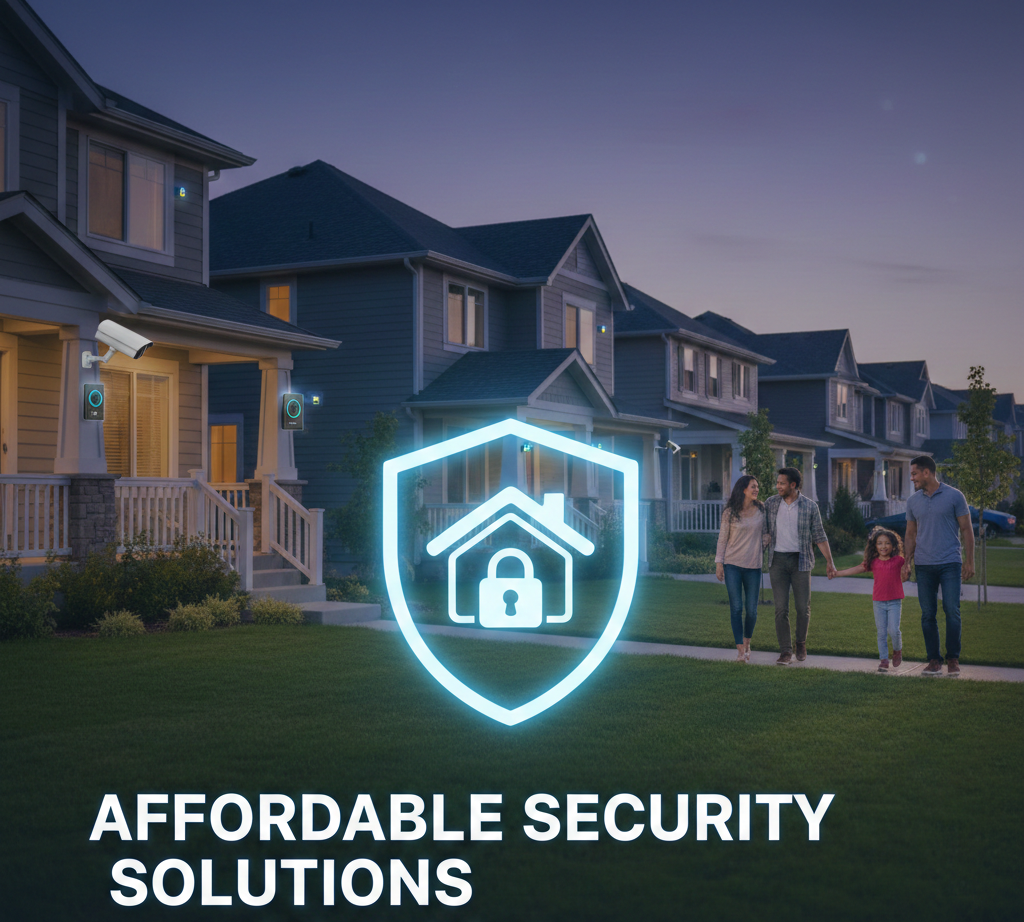
Affordable security solutions for residential areas have become a top concern for families who want safety without spending too much money. Every housing society, street, and apartment building faces different risks, from theft and trespassing to vandalism and emergencies. Many residents think quality protection always requires a high budget, but that is not true. Smart planning, trained guards, and modern systems can create strong protection at reasonable rates. Property managers and homeowners can work together to choose practical options that match their needs. This article explains how residential communities can maintain safety, reduce risks, and control costs through well-planned security services and modern solutions designed for long-term protection and peace of mind.
Assessing Safety Requirements in Residential Communities
Before selecting any security service, it is necessary to carefully evaluate the safety requirements of a residential community. Each neighborhood has its own challenges. Some areas experience vehicle theft, while others deal with unauthorized visitors or delivery management issues. Apartment buildings often require structured entry systems, while housing societies may need boundary monitoring and regular patrols. Conducting a proper risk evaluation helps identify weak spots such as poorly lit streets, open access points, or inactive surveillance areas.
When communities clearly understand their risks, they can avoid spending money on services that are not required. Instead of increasing manpower without purpose, they can focus on practical protection measures that match their situation. Organized planning also supports better budgeting and resource use. Residents feel more confident when safety arrangements are transparent and well-managed. Cost-effective security begins with recognizing real threats and designing solutions that address those concerns without unnecessary expenses.
Role of Trained Security Guards in Residential Protection
Professional security guards play a central role in maintaining peace within residential communities. Their presence alone acts as a strong deterrent to criminals. Trained guards monitor entry and exit points, verify visitors, conduct patrols, and respond to emergencies quickly. Many security companies now offer cost-effective guard services that include proper training in communication, observation, and emergency handling. Guards can also manage visitor logs and delivery checks, which reduces unauthorized access. Affordable security does not mean hiring untrained staff. Instead, it focuses on selecting reliable companies that provide skilled personnel at reasonable packages. Guards who are well-trained reduce the chances of incidents, which saves money in the long term. Communities can rotate shifts efficiently to control costs while maintaining full coverage. Strong guard management ensures residents feel secure at all times without placing unnecessary financial pressure on the housing administration or individual homeowners.
Importance of CCTV Surveillance Systems
CCTV surveillance has become one of the most affordable and effective security solutions for residential areas. Modern camera systems are available at various price levels, making them suitable for both small streets and large housing societies. High-definition cameras placed at gates, parking areas, and common spaces help monitor activities continuously. Recorded footage assists in identifying suspects and resolving disputes. Remote access features allow property managers to monitor live feeds through mobile devices. Once installed, CCTV systems require minimal maintenance, which makes them cost-effective over time. They reduce dependence on excessive manpower while improving monitoring accuracy. Criminals often avoid areas where cameras are clearly visible. Installation planning should focus on covering blind spots and entry points rather than placing cameras randomly. Affordable surveillance creates accountability and transparency within communities, giving residents confidence that their surroundings are being monitored properly without significantly increasing monthly maintenance charges.
Access Control Systems for Gated Communities
Access control systems help regulate who enters and exits residential premises. Gated communities benefit greatly from automated barriers, card systems, biometric scanners, and visitor management software. These systems reduce manual workload for guards and minimize human error. Residents can receive digital passes for guests, while delivery staff can be verified through secure entry points. Affordable access control options are available in scalable packages, allowing communities to expand systems gradually. Instead of investing heavily at once, property managers can implement phased upgrades. Technology-based entry systems also keep digital records, which improves security transparency. Unauthorized individuals find it difficult to bypass structured entry procedures. By combining trained guards with electronic systems, communities achieve stronger control at manageable costs. Access management reduces risks of theft, property damage, and unauthorized gatherings. When residents know that entry points are carefully managed, they feel safer and more comfortable in their living environment.
Mobile Patrol Services for Larger Residential Areas
Large housing societies often require mobile patrol services to cover wide areas effectively. Instead of hiring multiple static guards for every corner, communities can use patrol vehicles that move throughout the premises at scheduled intervals. Patrol officers check streets, parking areas, parks, and boundary walls. Their unpredictable movement discourages criminal activity. Mobile patrol services are often more affordable than deploying several stationary guards. They provide flexibility and quick response to emergencies across large zones. Patrol teams can coordinate with gate security and CCTV monitoring staff to maintain smooth communication. Proper reporting systems ensure every patrol round is documented. This approach balances coverage and cost control. Residential areas benefit from consistent monitoring without increasing manpower excessively. Mobile patrol units strengthen perimeter security, especially during night hours when risks are higher. Affordable patrol planning ensures that safety standards remain strong while operational expenses stay within reasonable limits.
Community Involvement in Security Planning
Security improves significantly when residents actively participate in safety planning. Community awareness programs educate families about preventive measures such as reporting suspicious activity and securing personal property. When neighbors communicate openly, crime rates often decrease. Affordable security does not rely only on guards and technology. It also includes building cooperation among residents. WhatsApp groups or internal communication systems can help share alerts quickly. Community meetings allow residents to discuss safety concerns and suggest improvements. Volunteers can support monitoring activities during events or gatherings. Strong communication between residents and security teams builds trust and transparency. Awareness campaigns cost very little but provide valuable benefits. A united residential community becomes harder for criminals to target. Shared responsibility reduces dependency on expensive services while maintaining a protective environment. When everyone understands their role in safety, affordable solutions become more effective and sustainable for long-term protection.
Lighting and Infrastructure Improvements
Good lighting is one of the simplest and most affordable security solutions for residential areas. Dark streets and poorly lit parking spaces create opportunities for criminal activity. Installing LED streetlights and motion-sensor lights significantly reduces risks. Lighting upgrades are cost-efficient because modern LED systems consume less electricity and last longer. Clear visibility improves the effectiveness of CCTV cameras and patrol operations. Well-maintained boundary walls, secure gates, and trimmed landscaping also enhance safety. Overgrown trees and damaged fences can provide hiding spots for intruders. Regular maintenance prevents minor issues from becoming major security concerns. Infrastructure improvements often require small investments but deliver strong protective results. Communities can plan upgrades gradually according to budget availability. When the environment itself discourages suspicious activity, dependence on heavy manpower reduces. Simple structural enhancements strengthen residential security without placing heavy financial burdens on residents.
Emergency Response and Crisis Management
Affordable security solutions must include proper emergency response planning. Residential areas face risks such as fire outbreaks, medical emergencies, and natural disasters. Security guards should receive training in basic first aid and evacuation procedures. Clear emergency exit plans and fire alarm systems help residents respond quickly during crises. Affordable fire safety equipment such as extinguishers and smoke detectors can prevent serious damage. Regular drills improve preparedness without significant cost. Coordination with local emergency services strengthens response efficiency. Residential management should maintain updated contact lists and communication channels. Fast reaction during emergencies saves lives and reduces property loss. Investing in preventive planning is often cheaper than dealing with the consequences of unpreparedness. When residents trust that crisis management systems are in place, they feel secure. Balanced emergency planning ensures that communities stay protected without exceeding their security budget.
Conclusion:
Affordable security solutions for residential areas are possible through smart planning, modern technology, trained guards, and active community involvement. Safety does not always require expensive systems. Careful assessment of risks, structured access control, CCTV monitoring, patrol services, and improved lighting can provide strong protection at manageable costs. When residents and management work together with a reliable security provider, they create a secure environment for families and property. Long-term planning and consistent monitoring help maintain stability and reduce incidents. With balanced investment and organized strategies, residential communities can achieve lasting safety while keeping expenses under control.