
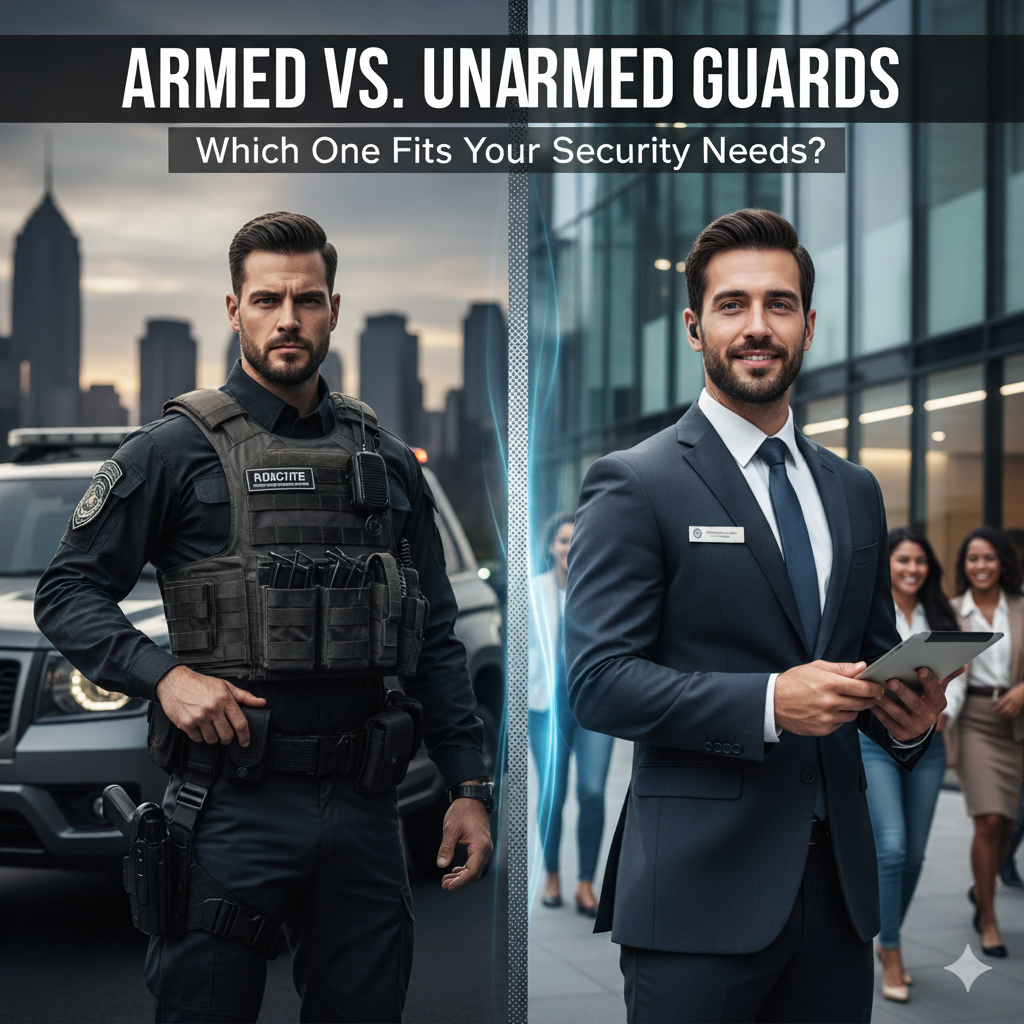
Choosing the right type of guard is not as simple as picking the stronger option. Your site, activity level, visitors, surroundings, and possible risks all shape what type of protection makes sense. Many people assume an armed guard always works better, yet that is not true for every situation. There are moments where a weapon adds value, and there are situations where a calm, unarmed guard handles the job with better control.
Understanding the difference helps you decide without guessing or wasting money.
What Armed Guards Actually Do
Armed guards deal with higher-risk locations where valuables, cash, or sensitive material remains present. Their presence alone discourages criminals who look for weaker targets. A trained armed guard stays alert, watches entry points, and reacts carefully if a threat turns serious. They do not walk around waiting to use their weapon. Their job focuses on prevention, judgment, and controlling a situation before it becomes dangerous.
These guards usually get training that covers weapon handling, risk reading, critical thinking under pressure, and dealing with tense crowd behavior. They understand how to balance calm behavior with firm authority. They also coordinate with supervisors and follow strict rules that keep everyone safe.
You choose armed guards when lives, high-value items, or financial transactions remain involved. This decision happens after assessing how often risk appears and how fast danger can escalate.
What Unarmed Guards Handle
Unarmed guards handle most general security needs. Their role focuses on observation, communication, visitor checks, and early response. You see them at residential setups, offices, shops, events, and places where routine security works well without needing weapons.
They manage gates, watch cameras, note suspicious activity, guide visitors, and alert the right team if something seems off. Their strength lies in awareness, discipline, and presence. They also handle situations where people need help, directions, or calm communication.
Many people think unarmed guards are only for low risk areas, yet they work perfectly in places where the threat is not violent but still present. They reduce unwanted movement, stop trespassing attempts, and handle small issues before they snowball.
Comparing Both Types Based on Environment
Your surroundings decide what works. Every location carries its own pattern of movement, visitors, and potential threats. You should look at how open the area is, how many people enter daily, and what assets exist inside.
Offices
Most offices do not need armed guards. Sensitive data and equipment stay safe through checks, surveillance, and managed access. Unarmed guards cover this well.
Banks or Cash Handling Sites
A place with frequent cash movement requires armed personnel. Even the idea of armed protection stops many planned thefts before they happen.
Residential Buildings
These spaces aim for comfort and order. Residents prefer calm presence instead of weapons in common areas. Unarmed guards usually work better unless the society deals with repeated high risk events.
Warehouses
This depends on the type of goods stored. General goods need unarmed guards. Precious items, electronics, or imported material often require armed staff during night hours.
Events
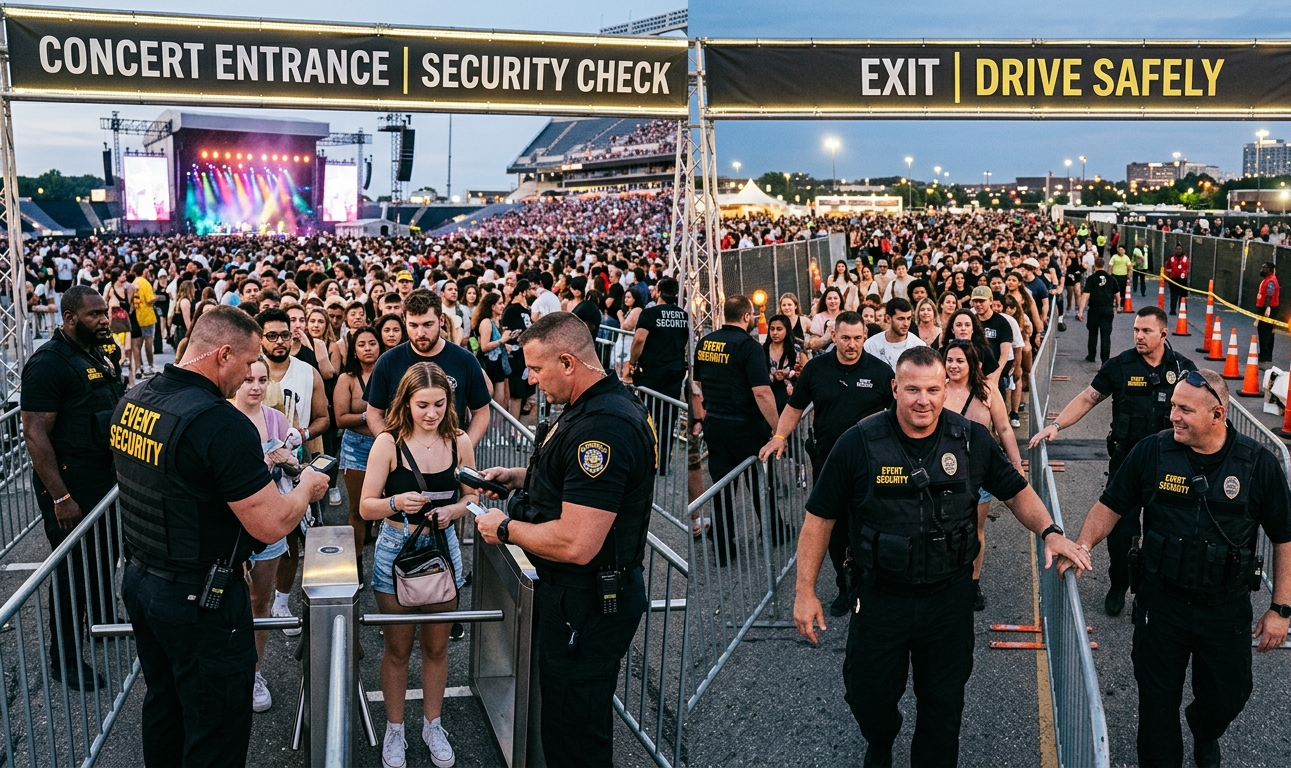
Event nature decides the need. Family events or social gatherings run well with unarmed guards. High profile events often need a mix of both.
Factories
Factories rarely deal with violent threats unless the goods remain sensitive or theft is common. Most days, unarmed guards handle the job through routine checks.
Risk Level Explained in Simple Terms
Risk level means the kind of trouble that can appear and how fast it can grow. High risk does not always mean violence. It can also mean high movement, expensive material, or poor visibility.
Low Risk
Steady movement, predictable visitors, and no valuable items stored. Unarmed guards work.
Moderate Risk
Mixed visitors, valuable equipment, but no direct violence expected. Unarmed guards with strong supervision work well.
High Risk
Cash movement, sensitive goods, previous threats, or high crime surroundings. Armed guards make sense.
Very High Risk
Government sites, high-value shipments, and operations that attract serious criminal attention. Armed guards become essential.
Once you place your site in one of these categories, the decision becomes straightforward.
Cost Difference
Armed guards cost more because training, licensing, and supervision require strict systems. They also work under rules that involve responsibility and monitoring.
Unarmed guards remain more affordable and suitable for long term contracts. Many businesses combine both types based on shift timings and location needs.
If budget remains a concern, remember that choosing the wrong type costs more in the long run than paying for the correct type from the start.
Behavior Expectations
People sometimes think armed guards act tough or strict. In reality, professional guards behave calm and controlled. Good companies train them to keep order without creating fear. Their behavior should match the environment they serve.
Unarmed guards must show discipline, patience, and communication skills. They greet visitors, guide people, and maintain control through presence rather than physical strength.
Both types rely heavily on observation and timely action. The difference lies in the response tools available to them.
How to Decide Without Guesswork
Follow this simple assessment. It works for homes, offices, shops, and large sites.
Ask yourself
- What assets need protection?
- How often do unknown people visit?
- Does the area have a history of security incidents?
- Would a weapon reduce risk or create discomfort?
- How quickly can help arrive in an emergency?
If your answes show routine activity, predictable visitors, and low crime surroundings, unarmed protection covers your needs.
If the answers point toward unpredictable situations, high value items, or any type of threat where immediate control is needed, armed protection becomes the right choice.
The Human Factor
People often mistake visibility for strength. A guard holding a weapon is not the only form of strong security. True security comes from awareness, discipline, and action. A well trained unarmed guard controls most situations before they become a crisis. A well trained armed guard handles incidents where force or faster response becomes necessary.
You should focus on training, verification, and supervision instead of choosing only based on weapons. A poorly trained armed guard is more dangerous than helpful. A well trained unarmed guard can protect a site better than many armed amateurs.
Final Thought
Your ideal choice depends on your environment, risk level, and comfort level. Armed guards fit high stakes situations where danger can escalate. Unarmed guards fit daily protection where control, observation, and good judgment keep everything running smoothly.