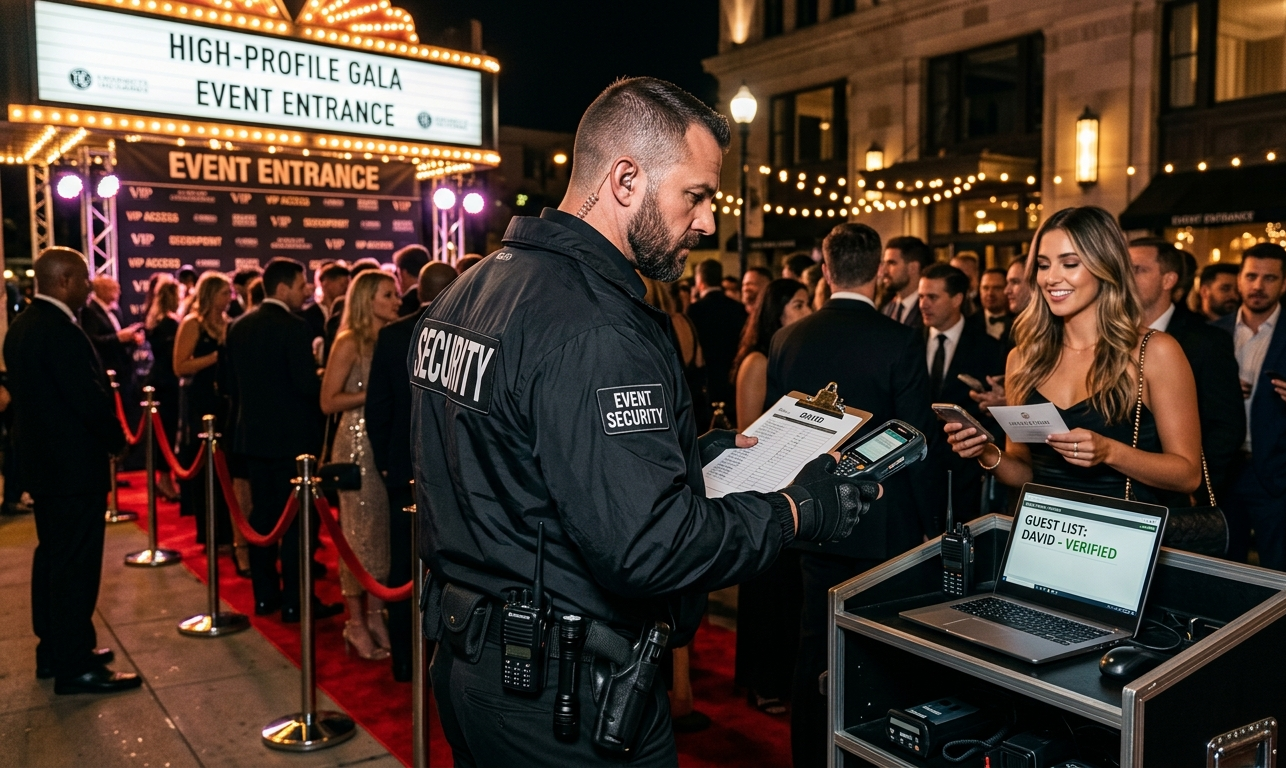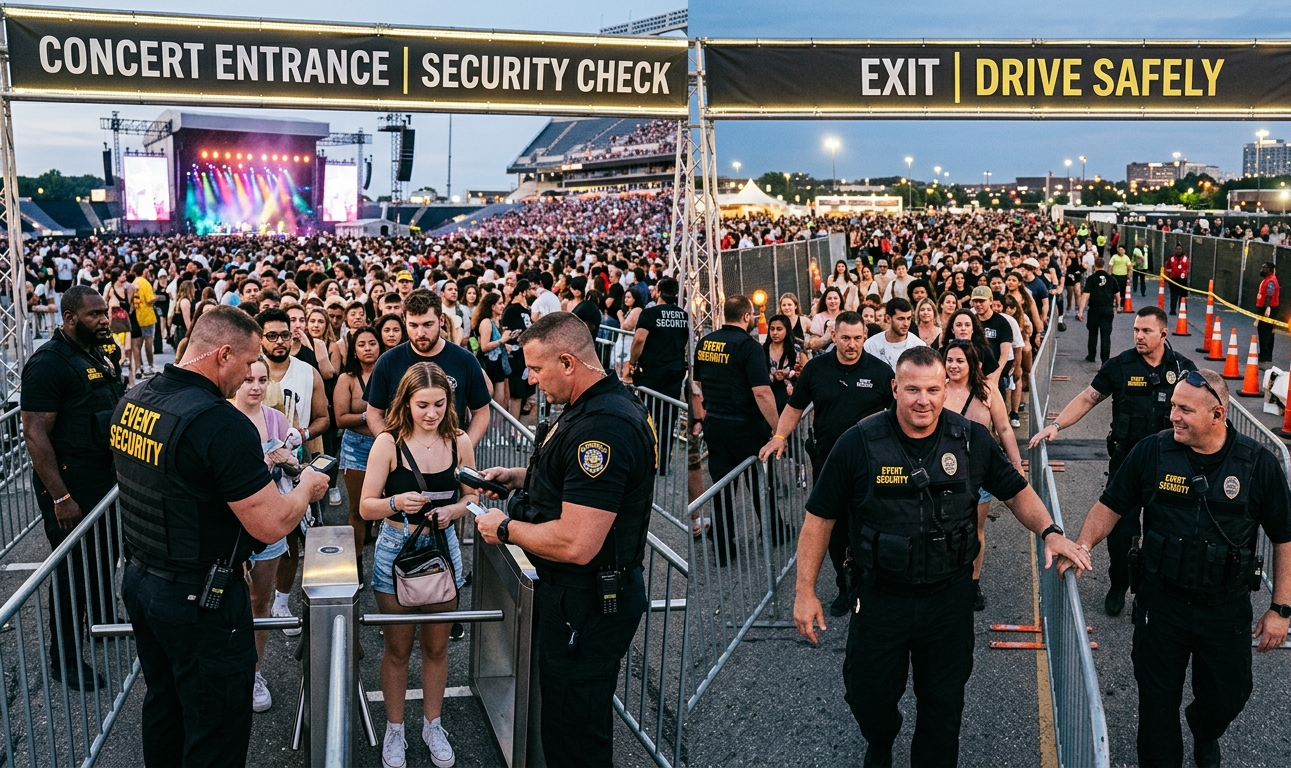

Managing crowds is not only about physical strength; it requires strong communication skills that help maintain order without creating panic. Bouncers play a key role in controlling situations where emotions can rise quickly, and misunderstandings can turn into conflict. Clear, confident, and respectful communication allows them to guide people, reduce tension, and keep environments safe. In crowded settings such as events, clubs, or public gatherings, the way a bouncer speaks and reacts often decides how a situation unfolds, making communication one of the most valuable skills in this profession.
Understanding Crowd Behavior
A professional bouncer must first understand how crowds think and react. People in groups often behave differently compared to when they are alone, and emotions can spread quickly from one person to another. Recognizing signs of agitation, confusion, or excitement helps a bouncer respond at the right time. Instead of waiting for a situation to get worse, early communication can calm people and prevent escalation. A composed tone and controlled body language help create a sense of authority without appearing aggressive. When a bouncer understands the mood of the crowd, they can adjust their approach and communicate in a way that feels natural and reassuring, which helps maintain order and reduces the chances of conflict.
Clear and Direct Verbal Communication
In crowded situations, messages must be simple, direct, and easy to understand. A bouncer does not have the luxury of long explanations, so instructions should be short and firm while still remaining polite. Using a steady voice helps people focus on what is being said, even in noisy environments. Repeating important instructions when needed ensures that more people understand the message. Avoiding harsh language or shouting unnecessarily can prevent people from becoming defensive. Professional communication means giving clear directions such as guiding entry or exit points, handling queues, or managing restricted areas. When people understand what is expected of them, they are more likely to cooperate, making the job smoother and safer.
Non-Verbal Communication and Body Language
Communication is not limited to words, especially in loud environments where speech may not always be heard. A bouncer’s posture, gestures, and facial expressions send strong signals to the crowd. Standing upright with a calm and alert stance shows confidence and control. Hand signals can be used to direct movement or stop individuals when needed. Maintaining appropriate eye contact helps build authority without appearing threatening. Sudden or aggressive movements should be avoided, as they can create fear or provoke negative reactions. Professional body language supports verbal communication and often speaks louder than words. When used correctly, it helps guide people smoothly and reinforces the message without creating unnecessary tension.
De-Escalation Through Calm Interaction
Conflicts can arise quickly in crowded environments, and handling them calmly is a key part of a bouncer’s role. Instead of reacting with force, effective communication focuses on reducing tension. Listening to concerns, acknowledging emotions, and responding with patience can make a significant difference. A calm tone helps lower the intensity of the situation and shows that the bouncer is in control. Giving individuals a chance to express themselves can prevent frustration from turning into aggression. Clear and respectful responses help guide people toward cooperation. De-escalation requires confidence, emotional control, and the ability to stay composed under pressure, which are all supported through strong communication skills.
Coordination with Team Members
Bouncers rarely work alone, and communication within the team is just as important as interaction with the crowd. Clear coordination ensures that everyone understands their role and can respond quickly to changing situations. Using simple signals, short verbal updates, or agreed communication methods helps maintain consistency. When team members share information effectively, they can manage entry points, monitor different areas, and handle incidents more efficiently. Miscommunication within the team can lead to confusion and delays, which can make situations harder to control. A well-coordinated team presents a unified presence that increases trust and strengthens overall crowd management.
Handling Difficult Individuals Professionally
Every crowded environment includes individuals who may not follow rules or may act aggressively. Handling such situations requires patience and professional communication. Instead of confronting directly, a bouncer should approach with a calm attitude and clear instructions. Respectful language can reduce resistance and encourage cooperation. Setting boundaries in a firm but polite manner helps maintain control without escalating the issue. If the situation becomes more serious, communication should remain steady while taking appropriate action. Professional handling of difficult individuals reflects discipline and control, which helps maintain a safe environment for everyone present.
Conclusion:
Strong communication skills are at the heart of effective crowd management. A professional bouncer relies on clear speech, confident body language, and calm interaction to maintain order in challenging situations. These skills help prevent conflicts, guide people safely, and create a controlled environment without unnecessary force. With the right approach, communication becomes a powerful tool that supports safety, builds trust, and ensures smooth operations in any crowded setting.