

High-profile events attract influential guests, media attention, and large crowds, which creates a unique set of security challenges. In such environments, the role of a bouncer goes far beyond simple crowd control. A professional bouncer acts as a frontline security specialist who maintains order, ensures guest safety, and protects the reputation of the event. Their presence must be firm yet respectful, visible yet controlled, and always aligned with the overall event management strategy. From entry screening to emergency handling, every action taken by a bouncer reflects the professionalism of the entire security team. A well-trained bouncer understands that even a small mistake can lead to serious consequences, especially when dealing with VIP guests and sensitive situations.
Access Control and Guest Verification
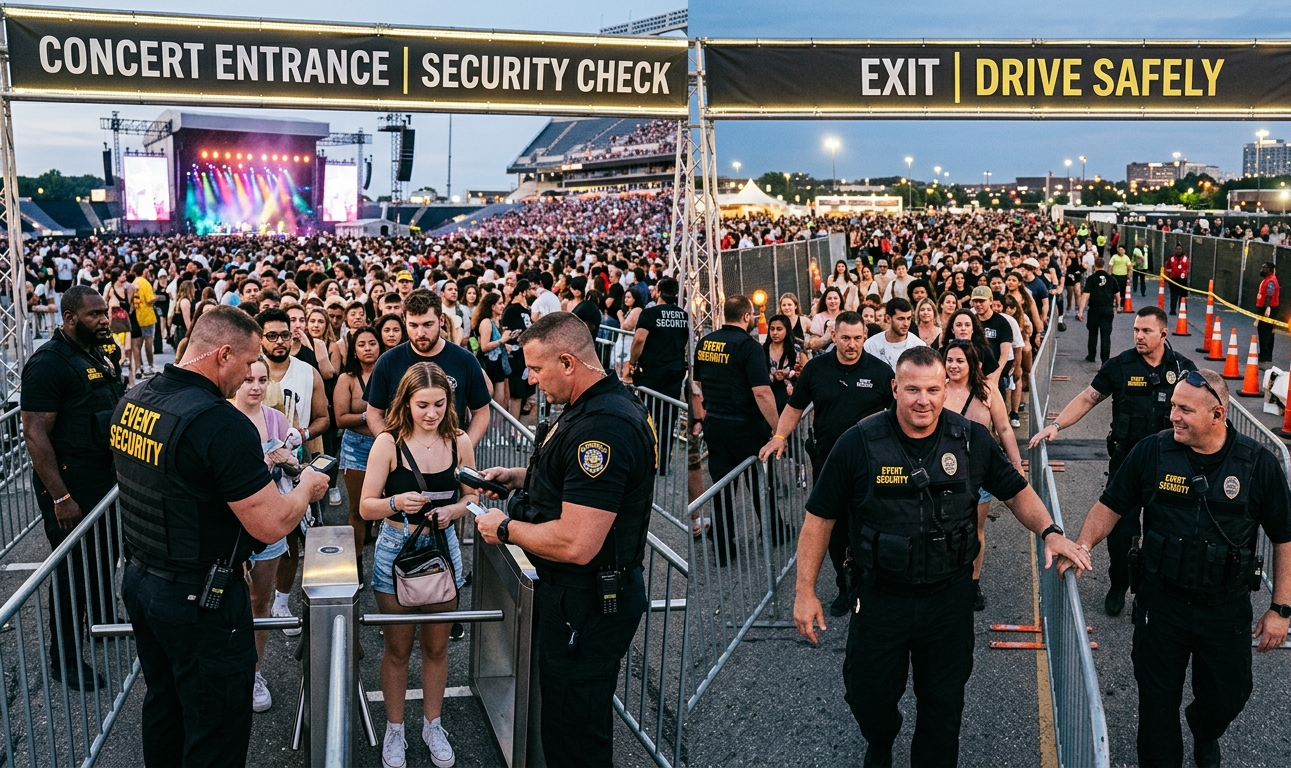
Managing access is one of the most critical responsibilities during high-profile events. A bouncer is responsible for ensuring that only authorized individuals enter the venue, which requires careful attention to guest lists, invitations, and identification. This process must be handled efficiently to avoid delays while maintaining strict security standards. A professional approach includes checking credentials without causing discomfort to guests, especially those with high status. In many cases, bouncers must coordinate with event organizers and security supervisors to verify last-minute changes or special permissions. Any suspicious behavior at entry points must be addressed immediately with calm and control. Effective access control prevents unauthorized entry and reduces the risk of disruptions inside the venue, creating a safe and organized environment from the very beginning of the event.
Crowd Management and Control
High-profile events often involve large and diverse crowds, which makes crowd management a key responsibility for bouncers. Their role is to monitor movement, prevent overcrowding, and ensure that all guests remain within designated areas. This requires strong observation skills and the ability to respond quickly to changing situations. A skilled bouncer can identify early signs of tension or disorder and take action before the situation escalates. Maintaining clear pathways, managing queues, and guiding guests politely are all part of effective crowd control. Professional conduct is important, as guests expect a respectful and organized experience. The ability to balance authority with courtesy allows bouncers to maintain control without creating unnecessary conflict. Proper crowd management ensures that the event runs smoothly and that all attendees feel secure throughout the occasion.
VIP Protection and Discreet Security Handling
Protecting VIP guests is a sensitive and high-priority task at exclusive events. Bouncers assigned to VIP areas must maintain a strong security presence while remaining discreet and professional. Their responsibility includes monitoring surroundings, controlling access to restricted zones, and responding immediately to any potential threats. A calm and alert attitude is required at all times, as VIP guests often expect privacy along with safety. Bouncers must also coordinate closely with personal security teams and event organizers to ensure smooth movement and minimal disruption. Any interaction with VIP guests should be respectful and controlled, avoiding unnecessary attention. Discreet handling of security matters helps maintain the comfort and confidence of important attendees while ensuring that safety standards are never compromised during the event.
Conflict Resolution and De-escalation
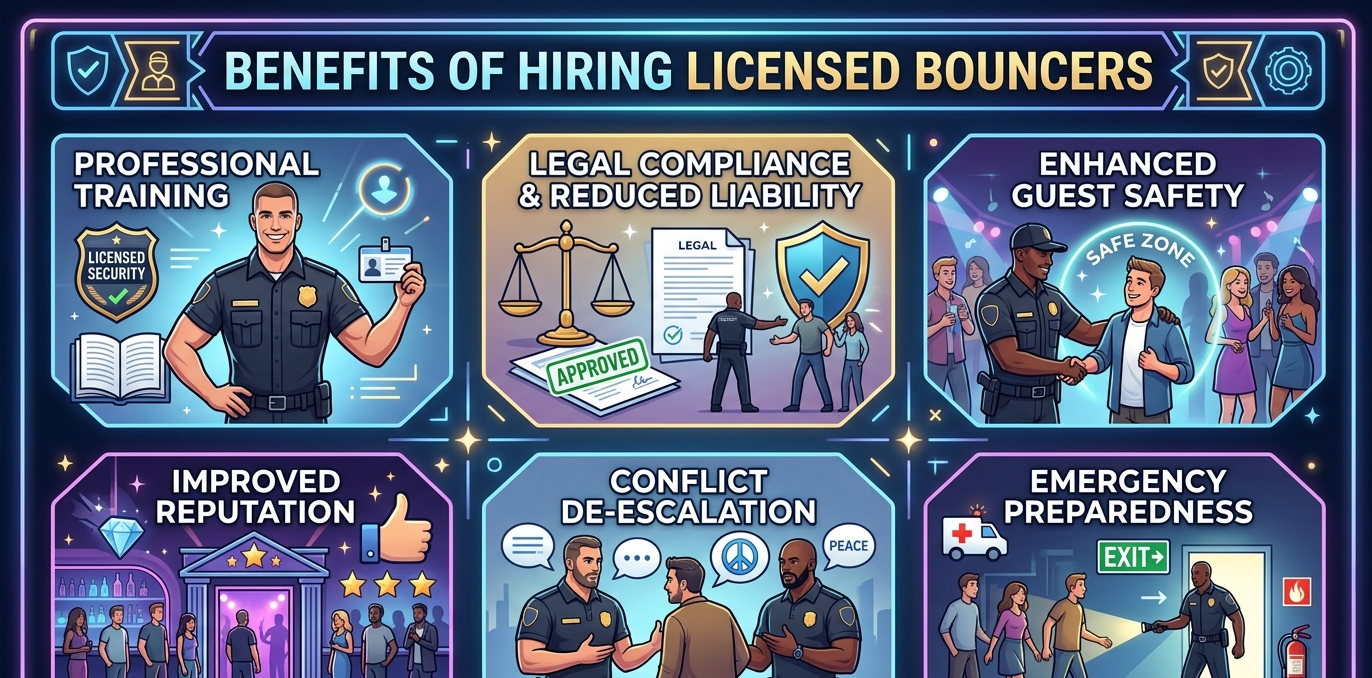
Handling conflicts in a controlled and professional manner is a key part of a bouncer’s role. High-profile events can sometimes lead to disagreements, misunderstandings, or disruptive behavior among guests. A trained bouncer is expected to identify such situations early and resolve them without causing panic or drawing attention. The focus should always be on de-escalation, using calm communication and controlled body language to manage the situation. Physical intervention should only be used when absolutely necessary and in accordance with security protocols. Maintaining respect for all individuals involved is important, even when dealing with difficult behavior. A composed response helps prevent minor issues from turning into major incidents. Effective conflict resolution protects the event’s reputation and ensures a safe and comfortable environment for all guests.
Emergency Response and Risk Management
Preparedness for emergencies is an important responsibility that cannot be overlooked during high-profile events. Bouncers must be trained to respond quickly and effectively to situations such as medical incidents, fire hazards, or security threats. Their role includes guiding guests to safety, coordinating with emergency services, and maintaining order during critical moments. Awareness of exit routes, emergency procedures, and communication systems is necessary for efficient response. A professional bouncer remains calm under pressure and takes decisive action without causing panic among attendees. Risk management also involves identifying potential hazards before they become serious issues. Regular communication with the security team ensures that everyone is informed and ready to act. Strong emergency response skills help minimize damage and protect both guests and event organizers.
Coordination with Event Staff and Security Teams
Successful event security depends on strong coordination between bouncers, event staff, and other security personnel. Bouncers must maintain clear communication with team members to ensure that all areas of the event are properly monitored. This includes sharing information about guest movement, potential risks, and any incidents that occur during the event. Working as a team allows for quick decision-making and effective problem-solving. Coordination with event organizers helps ensure that security measures align with the overall event plan. Professional communication skills are important to avoid confusion and maintain smooth operations. A well-coordinated team creates a strong security network that covers all aspects of the event. This approach not only improves safety but also enhances the overall experience for guests.
Conclusion:
The responsibilities of a bouncer during high-profile events extend far beyond physical presence. Their role demands professionalism, awareness, and the ability to handle complex situations with confidence and control. Each task, from managing entry points to responding to emergencies, plays a part in maintaining a secure and well-organized event. A skilled bouncer contributes to both the safety of the guests and the success of the event itself. Their ability to balance authority with respect ensures that security measures do not interfere with the guest experience. Strong training, clear communication, and a proactive mindset are key qualities that define an effective bouncer. When these elements come together, they create a secure environment where high-profile events can proceed smoothly and without disruption.