
A well-managed concert depends on more than just sound, lighting, and artist performance. Crowd control and safety planning hold equal importance, especially at entry and exit points where large groups gather at the same time. Bouncer security plays a vital role in maintaining order, preventing unauthorized access, and ensuring a smooth flow of people throughout the event. With increasing crowd sizes and heightened safety concerns, professional bouncers bring structure, discipline, and quick response abilities to these critical areas. Their presence not only reduces risks but also creates a secure environment for attendees, staff, and performers, allowing the event to proceed without unnecessary interruptions or safety issues.
The Role of Bouncers at Entry Points
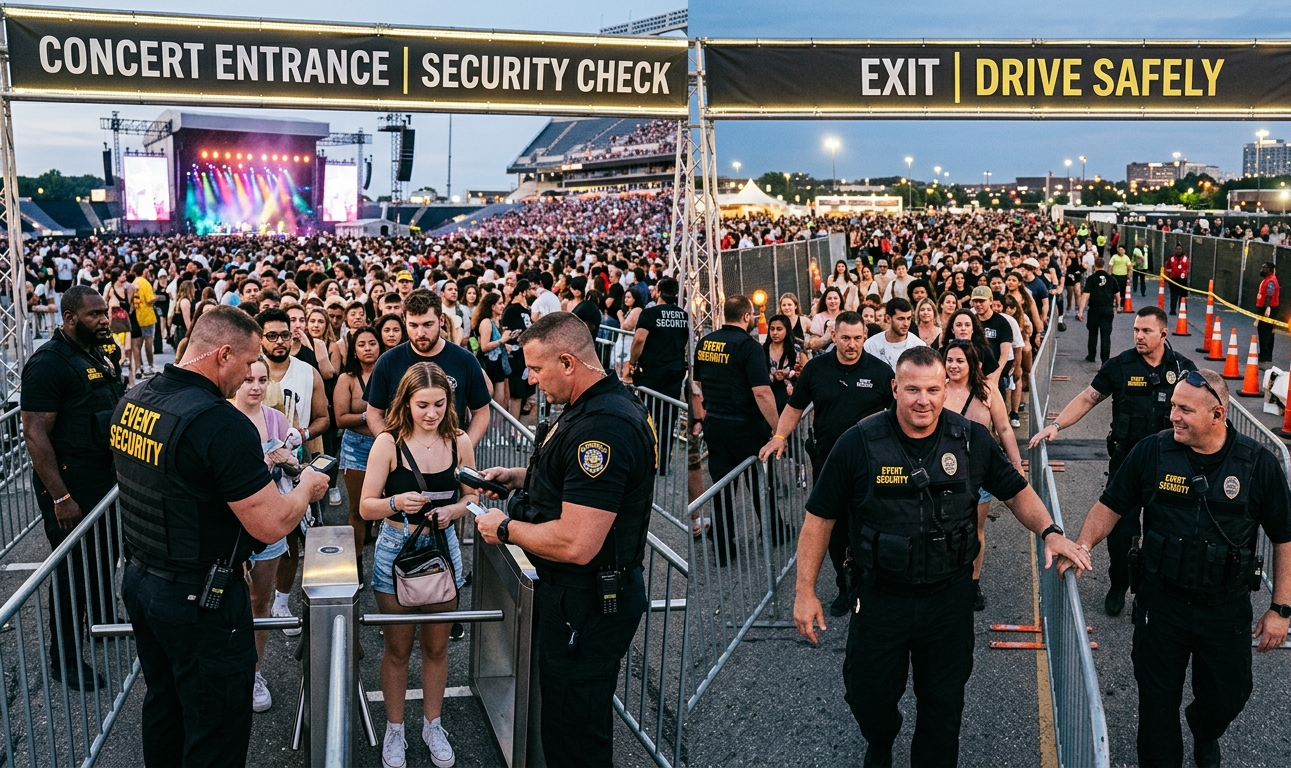
Entry points serve as the first line of control where every attendee must pass through. Bouncers stationed at these areas are responsible for verifying tickets, checking identification, and ensuring that only authorized individuals gain access. They are trained to identify suspicious behavior, prevent overcrowding, and manage queues in a calm and organized manner. Their ability to handle pressure is essential, especially during peak entry times when large crowds arrive simultaneously. A professional bouncer maintains firm control while still treating attendees with respect, which helps avoid unnecessary conflict. Their presence also acts as a deterrent to troublemakers, reducing the chances of disturbances before they even begin.
Managing Exit Points Safely
Exit points require equal attention, especially at the end of a concert when large numbers of people attempt to leave at once. Bouncers ensure that exits remain clear, functional, and free from obstruction at all times. They guide the crowd in an orderly manner, preventing panic or sudden rushes that could lead to injuries. In case of an emergency, their quick decision-making helps direct attendees toward safe evacuation routes. Proper coordination among bouncers ensures that all exits are monitored continuously. Their role also includes preventing unauthorized re-entry through exit gates, maintaining control until the venue is completely cleared and secure.
Crowd Control and Flow Management
Effective crowd control is one of the primary responsibilities of bouncer security. At both entry and exit points, maintaining a steady flow of people prevents congestion and reduces the risk of accidents. Bouncers use strategic positioning and clear communication to guide attendees in the right direction. They monitor crowd density and take immediate action if any area becomes too crowded. Their training enables them to manage difficult situations without escalating tension. By maintaining balance and order, they help create a safe and comfortable experience for everyone present at the concert.
Handling Conflicts and Emergencies
Concert environments can sometimes lead to conflicts due to high energy, excitement, or overcrowding. Bouncers are trained to handle such situations professionally without causing disruption to the event. At entry points, they manage disputes related to access or ticket issues, while at exit points they handle disagreements that may arise during crowd movement. In emergency situations such as medical incidents or security threats, bouncers act quickly and coordinate with event organizers and emergency services. Their ability to remain calm under pressure ensures that situations are handled efficiently without creating panic among attendees.
Coordination with Event Management Teams
Bouncer security does not operate in isolation. Their effectiveness depends on strong coordination with event organizers, security supervisors, and venue management teams. Before the event begins, clear plans are established for entry and exit procedures, emergency protocols, and crowd management strategies. During the concert, constant communication allows bouncers to respond to changes in crowd behavior or unexpected situations. This teamwork ensures that every aspect of security runs smoothly. A well-coordinated approach minimizes risks and enhances the overall safety of the event.
Importance of Professional Training
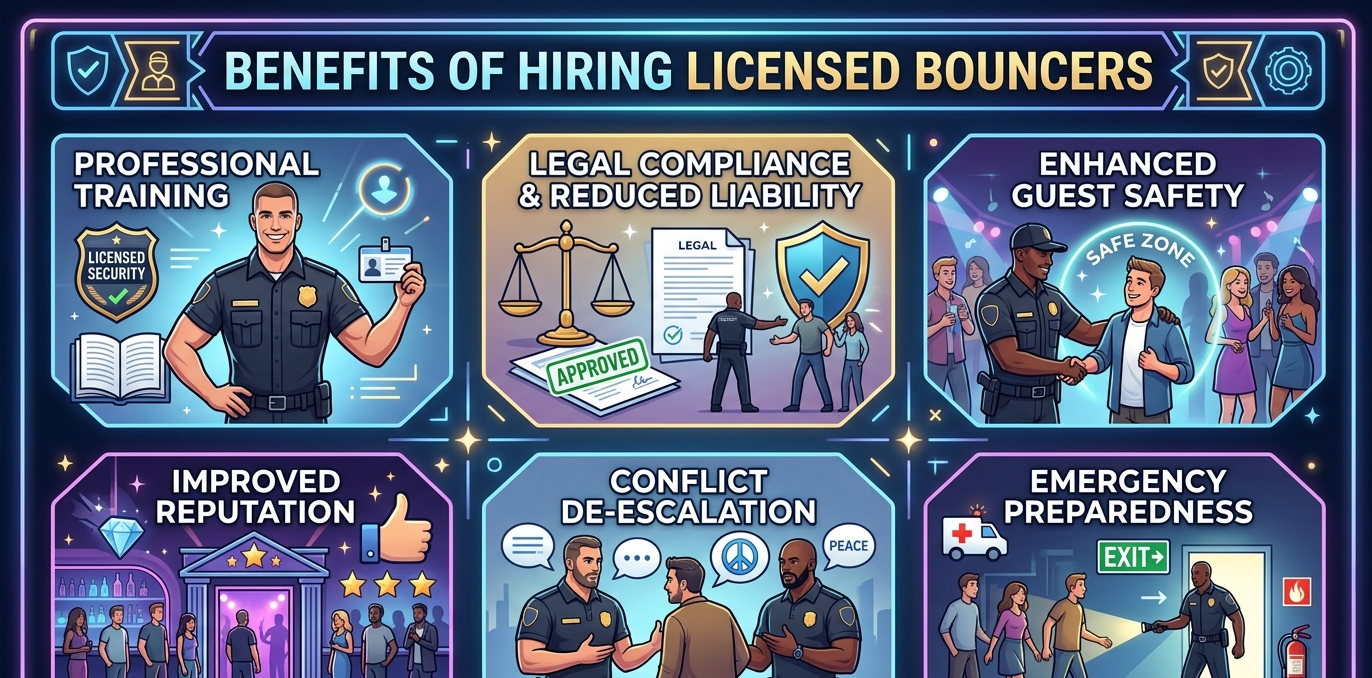
Professional training is what sets skilled bouncers apart from untrained personnel. They are equipped with knowledge of crowd psychology, conflict resolution techniques, and emergency response procedures. This training enables them to make quick and effective decisions in high-pressure situations. At entry and exit points, where timing and control are critical, their expertise ensures that operations run without delays or confusion. Their disciplined approach helps maintain a secure and organized environment, which is essential for large-scale events like concerts.
Creating a Safe and Positive Experience
Security is not only about control but also about creating a positive experience for attendees. Bouncers who maintain a professional attitude contribute to a welcoming environment while still enforcing rules. Their ability to communicate clearly and respectfully helps avoid unnecessary tension. When attendees feel safe and guided, they are more likely to enjoy the event without concern. A balanced approach between firmness and professionalism ensures that security measures do not interfere with the overall atmosphere of the concert.
Conclusion:
Bouncer security at concert entry and exit points is a key factor in ensuring safety, order, and smooth event operations. Their role extends from access control to emergency response, making them an integral part of event management. With proper training, coordination, and professionalism, bouncers help prevent risks and maintain a controlled environment even in large crowds. Their presence not only protects attendees and staff but also supports the success of the event. A well-secured concert allows everyone to focus on the experience, knowing that safety remains a top priority at every stage of entry and exit.