
Crowd excitement can turn into chaos within seconds when concert safety is poorly managed. A pushed barrier, a sudden rush toward the stage, an argument among attendees, or panic over a minor incident can quickly put hundreds of lives at risk. Many event organizers learn this the hard way after facing injuries, property damage, or public backlash. Music and entertainment may be the heart of a concert, but safety planning is what allows that energy to exist without turning dangerous.
Concert safety planning is not just about placing guards at entrances. It is a detailed process that begins long before the first ticket is scanned and continues until the last attendee leaves the venue. Professional bouncers play a central role in this planning because they are trained not only to control crowds but also to read risky situations before they explode.
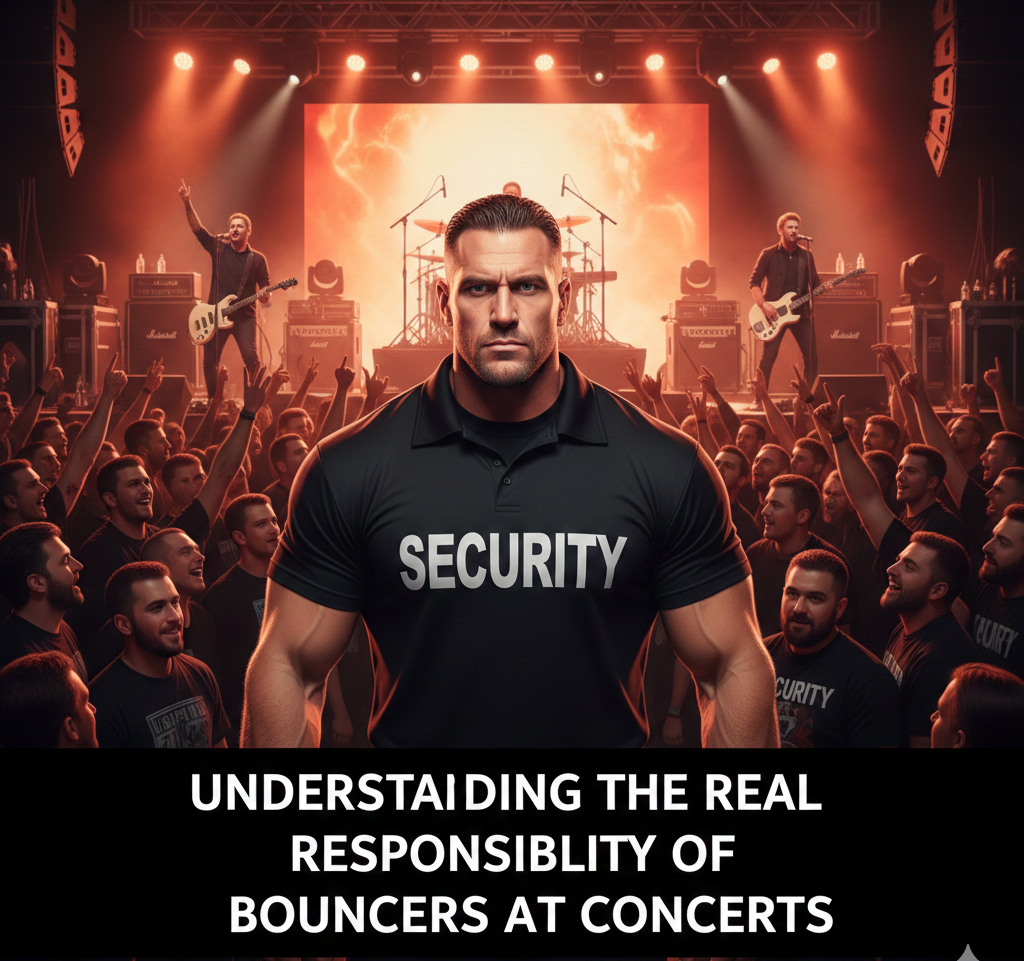
Understanding the real responsibility of bouncers at concerts
Many people assume bouncers are only there to look tough and remove troublemakers. That idea is far from the truth. Professional bouncers act as the first line of defense between crowd excitement and danger. Their job includes managing entry flow, checking tickets, watching audience movement, handling conflicts, and responding instantly when anything goes wrong.
Many successful events now depend on professional bouncer security services to handle crowd pressure, conflicts, and emergencies, because trained eyes spot risk before it turns into chaos.
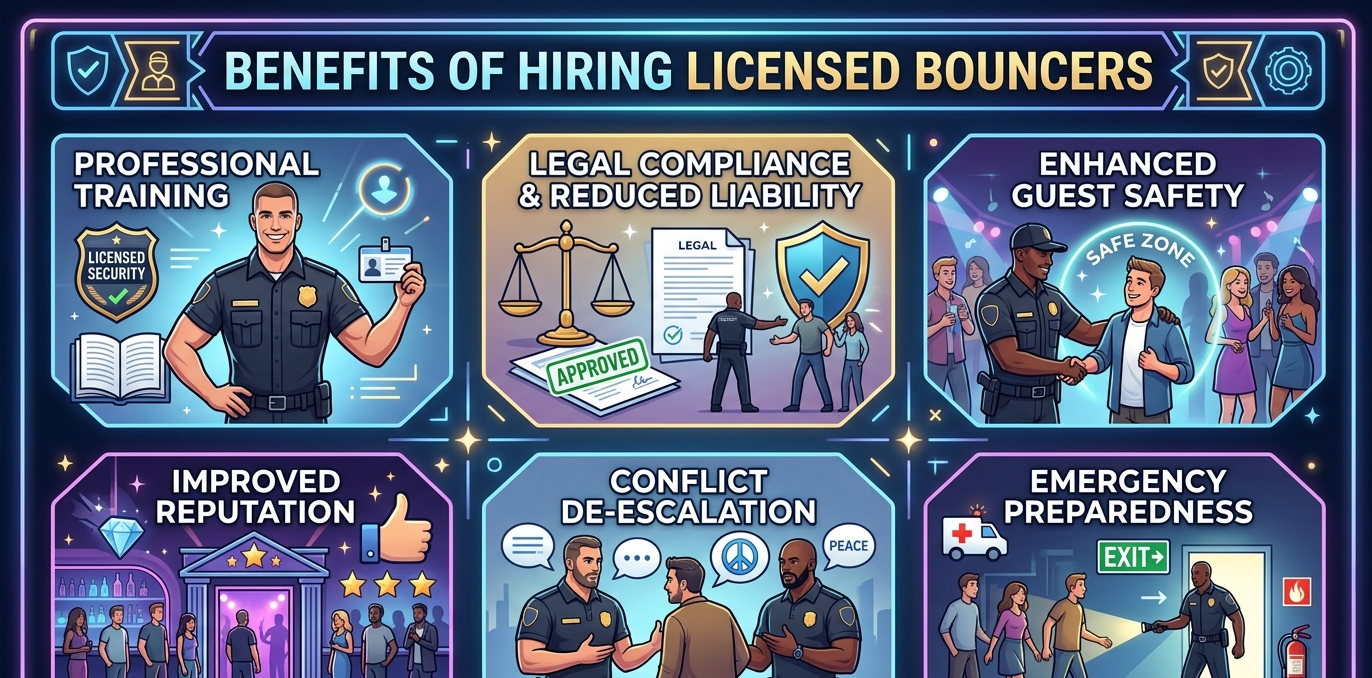
Bouncers are also trained in communication. They know how to speak calmly with aggressive guests, how to guide panicked individuals, and how to de-escalate tense moments without using unnecessary force. This skill alone prevents countless incidents that could otherwise turn violent.
Why concerts carry higher safety risks than regular events
Concert environments are emotionally charged. Loud music, large crowds, flashing lights, alcohol consumption, and close physical space create a setting where people behave differently than usual. A minor misunderstanding that would normally cool down can become a fight within seconds at a concert.
Crowd movement adds another layer of risk. Fans rushing toward the stage, jumping together, or reacting to sudden sound changes can cause trampling injuries. Electrical systems, heavy stage equipment, and barriers also introduce physical hazards if not handled with care. All of these risks demand structured planning supported by trained professionals.
Role of bouncers in crowd flow management
One of the biggest responsibilities of professional bouncers is controlling how the crowd moves. Entry points must remain organized so that people do not rush or push each other. Exit routes must stay clear for emergency evacuation if needed. Inside the venue, bouncers observe crowd density and prevent overcrowding near the stage or high-risk areas.
When a bouncer notices unusual pressure building in one area, they redirect the movement early. This prevents stampedes and ensures that excitement does not turn into suffocation or falls. Their positioning throughout the venue is planned carefully so no blind spots remain.
Conflict control before it turns violent
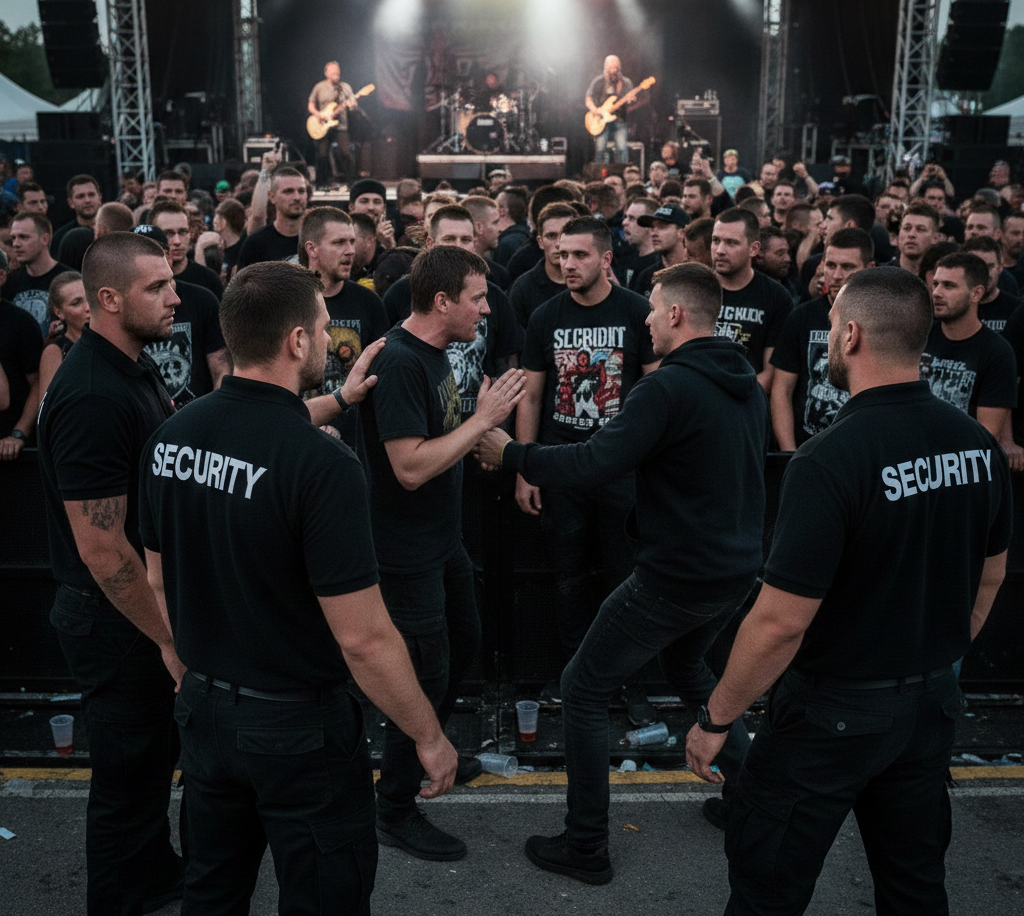
Arguments at concerts start for many reasons. People get intoxicated, personal space gets invaded, and tempers rise easily in loud environments. Professional bouncers are trained to spot early signs of conflict through body language, tone of voice, and crowd behavior.
Rather than waiting for a fight to break out, they intervene early with calm authority. They separate individuals, remove one party discreetly, or involve supervisors when needed. This early action keeps the rest of the crowd safe and prevents panic from spreading.
Emergency response and evacuation readiness
No safety plan is complete without emergency preparation. Fires, power failures, medical emergencies, or sudden structural risks can occur without warning. Professional bouncers receive training for emergency response so they know exactly how to react under pressure.
They guide people toward emergency exits, prevent stampedes, assist injured individuals, and coordinate with medical teams and local authorities. Their controlled response keeps the situation from collapsing into uncontrolled panic. Without organized direction, even a small emergency can cause mass injury purely due to fear.
Entry screening and access control
Safety threats often enter the venue from outside. Professional bouncers handle access control by checking tickets, monitoring bag searches when required, and identifying suspicious behavior before someone mixes into the crowd. This reduces the chances of weapons, drugs, or dangerous objects entering the venue.
Access control also includes managing backstage entry. Only authorized staff, performers, and crew members should enter restricted zones. When these boundaries are enforced strictly, risks to both performers and audience decrease significantly.
Coordination with event organizers and technical teams
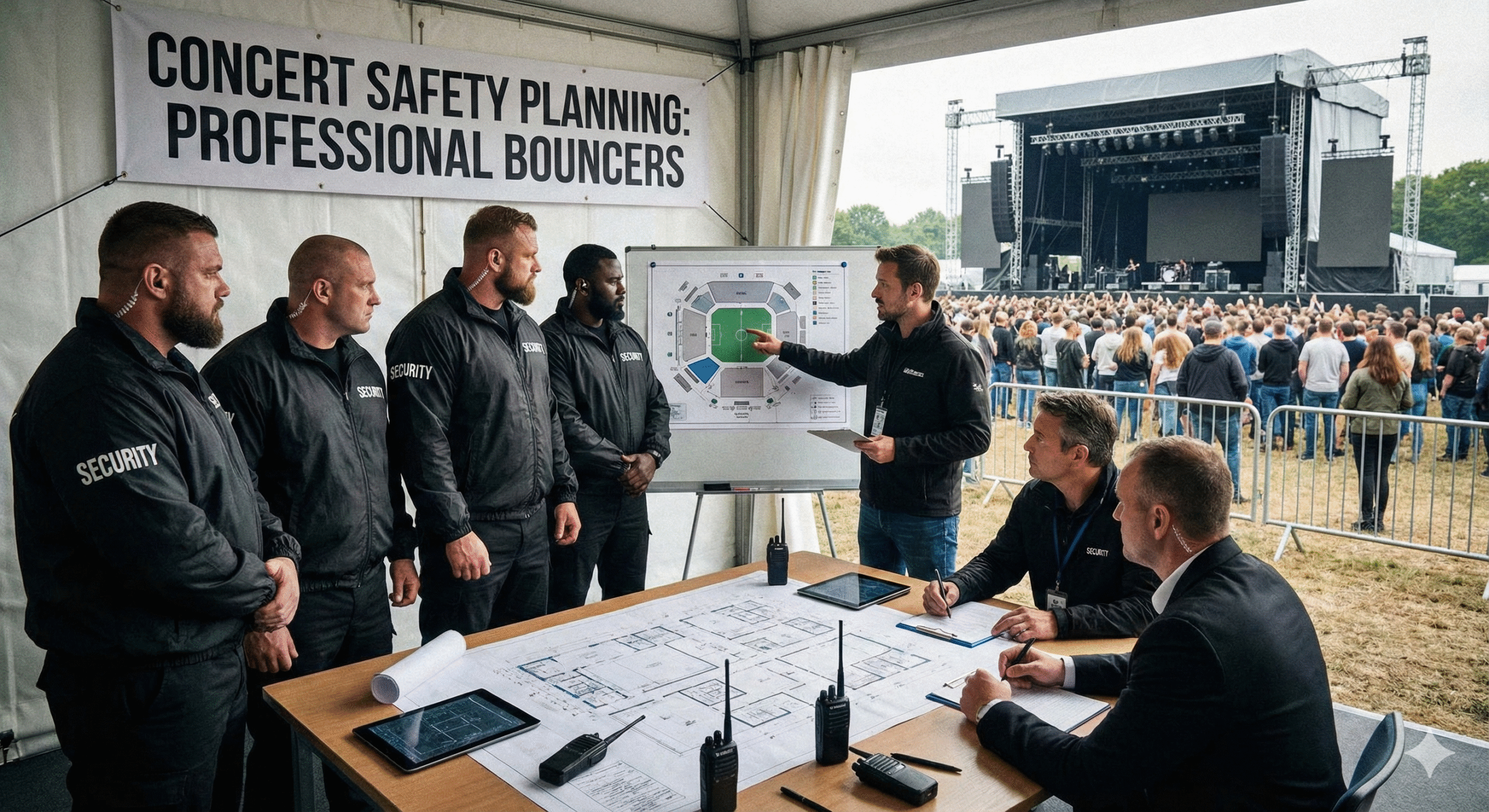
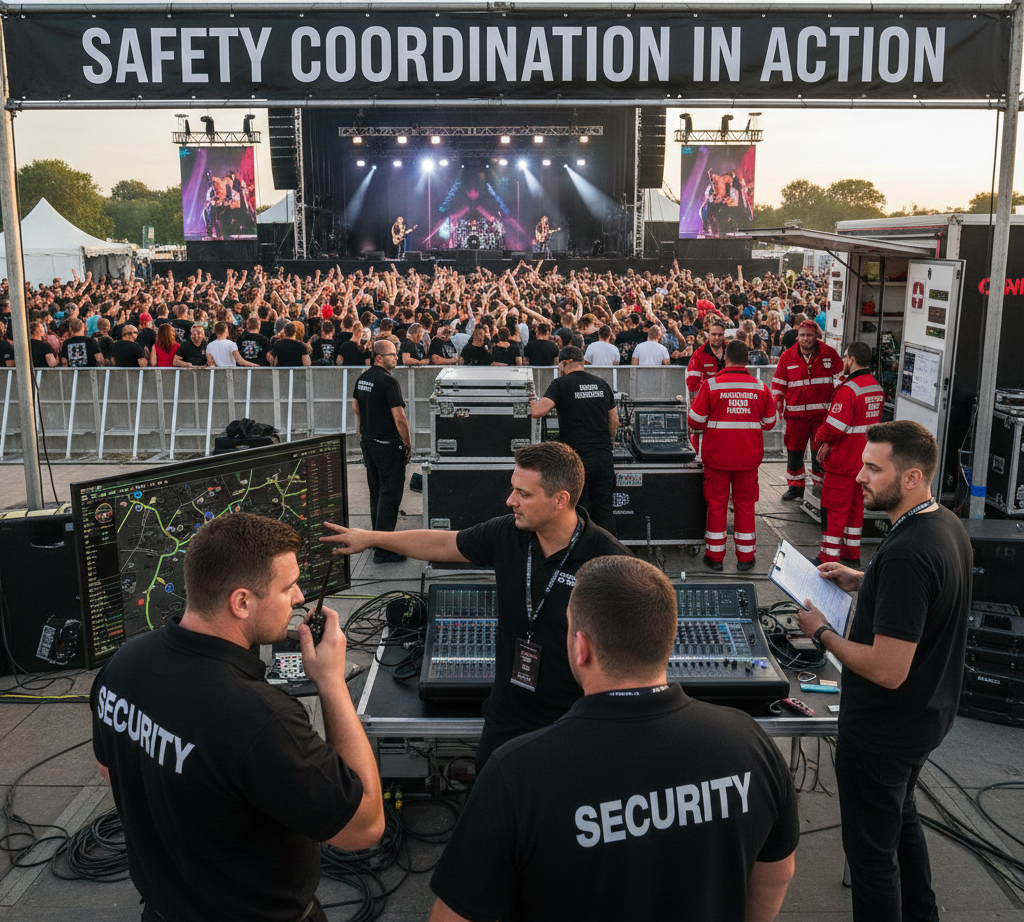
Bouncers do not operate in isolation. A strong safety plan links them directly with event organizers, stage managers, sound crews, and emergency staff. When coordination works smoothly, information flows in real time.
Event organizers who work with a reliable concert security agency gain better control over crowd behavior, emergency handling, and venue discipline.
If sound issues cause crowd distraction, bouncers adjust their alert level. If stage movement creates unexpected pressure near the barricades, bouncers respond instantly. This teamwork keeps safety active rather than reactive.
Training that separates professionals from random guards
Not every person wearing a black shirt qualifies as a professional bouncer. Real training includes physical control techniques, crowd psychology, communication skills, legal boundaries, and emergency first response. Trained bouncers know when to act and when restraint is the smarter option.
They understand that excessive force creates fear and public backlash. Controlled authority earns respect and maintains order. This difference becomes obvious when an incident occurs, and the crowd sees calm control instead of aggression.
Managing intoxicated individuals safely
Alcohol and sometimes substance use increase unpredictability at concerts. Intoxicated guests often lose balance, misjudge space, and react emotionally. Professional bouncers are trained to manage such individuals without humiliating them or creating a disturbance.
They assist them out of crowded zones, arrange medical attention when needed, and remove them from the venue if they become a risk. This protects both the intoxicated person and the surrounding crowd from unnecessary harm.
Protecting performers and crew
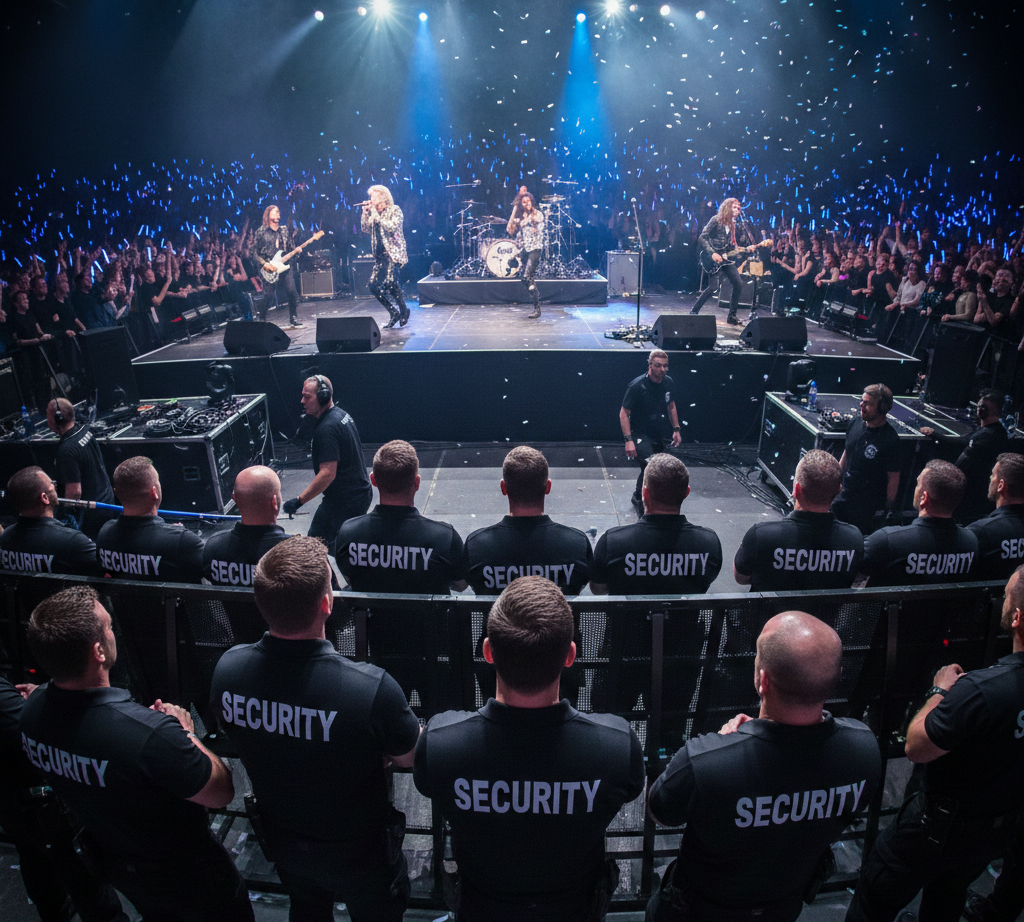
Safety planning does not stop with the audience. Performers face risks from overexcited fans, unauthorized access, and stage rush attempts. Professional bouncers secure perimeter zones around performers and stage entry points.
They create controlled barriers that allow performers to engage with fans safely without exposing them to uncontrolled physical contact. Crew members also operate heavy equipment that demands a restricted working zone for accident prevention.
Legal protection for organizers through proper security planning
A well-structured safety plan supported by professional bouncers also protects event organizers legally. When an incident occurs, authorities examine whether proper security arrangements were in place. Trained bouncers, documented protocols, and clear supervision reduce liability risks.
Poor safety planning can result in lawsuits, fines, permit cancellations, and reputation damage that can destroy future event opportunities. Professional security is not just about protection. It is also about compliance and responsibility.
Public confidence and event reputation
People talk about safe events. When guests feel secure, they enjoy the experience without fear. This builds positive reputation and encourages repeat attendance. A concert known for poor management and security failures quickly loses public trust.
Professional bouncers contribute directly to the overall image of the event. Their calm presence, respectful behavior, and visible control reassure guests that they are in safe hands.
Adjusting safety plans based on crowd size and venue type
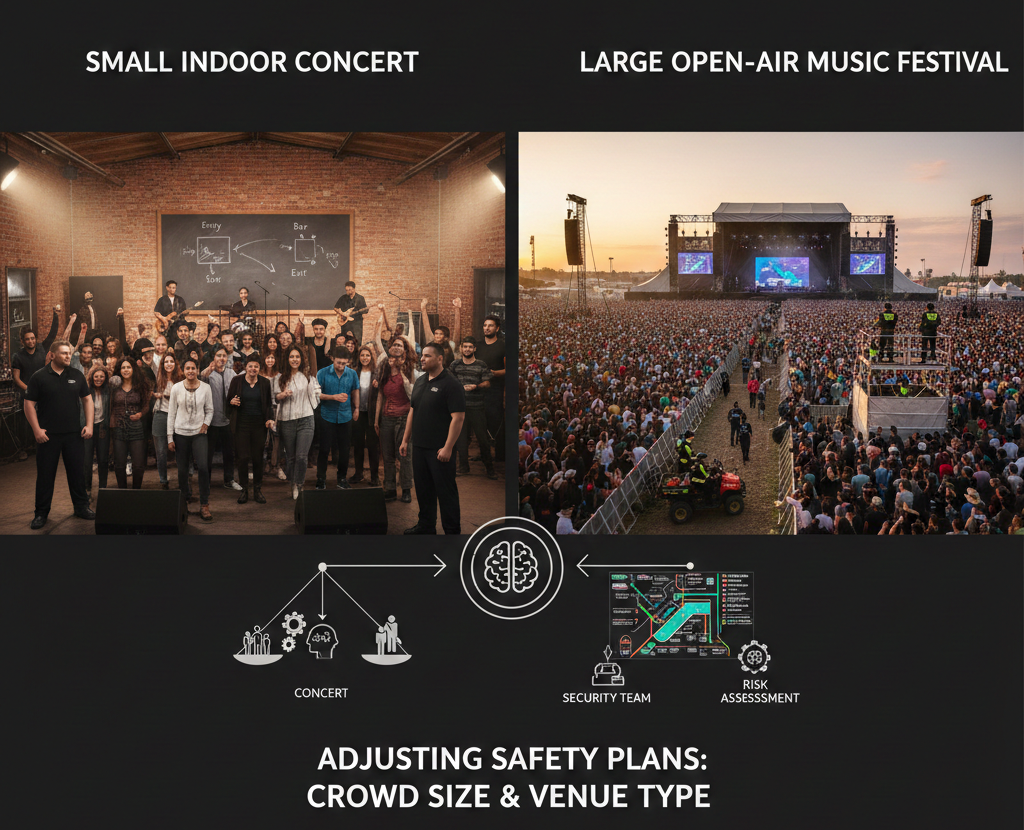
A safety plan for a small indoor concert differs greatly from a large open-air music festival. Professional bouncers help organizers scale security based on crowd size, venue layout, and risk level.
They analyze entry routes, seating divisions, open standing areas, and emergency exit capacity. This flexibility allows safety planning to match real conditions rather than following one fixed model.
Final words
Concerts bring energy, emotion, and unforgettable memories, but only when safety stands at the core of the event. Without structured planning and trained bouncers, excitement can turn dangerous within moments. Professional bouncers manage crowds, control conflict, guide emergency response, protect performers, and maintain order through calm authority. Their role turns security into a living system that adapts to changing situations in real time. When concert safety planning is done with trained professionals instead of shortcuts, both organizers and attendees get what they truly want from a live event. A powerful experience without fear.
Frequently Asked Questions:
How many bouncers are required for a safe concert event
The number of bouncers depends on crowd size, venue layout, entry points, and risk level. Larger crowds with open standing areas always require more professional coverage to maintain control and safe movement.
Do professional bouncers handle medical emergencies at concerts
Yes, trained bouncers are taught basic emergency response and know how to secure the area, guide the crowd, and coordinate with medical teams until help arrives.
Can bouncers legally remove aggressive attendees from the venue
Professional bouncers are allowed to remove individuals who pose a safety threat, but only within legal limits using controlled force and proper procedures.
Is hiring professional bouncers necessary for small concerts
Even small concerts carry risks due to crowd behavior and emotional energy. Trained bouncers help prevent minor issues from turning into serious incidents, regardless of event size.