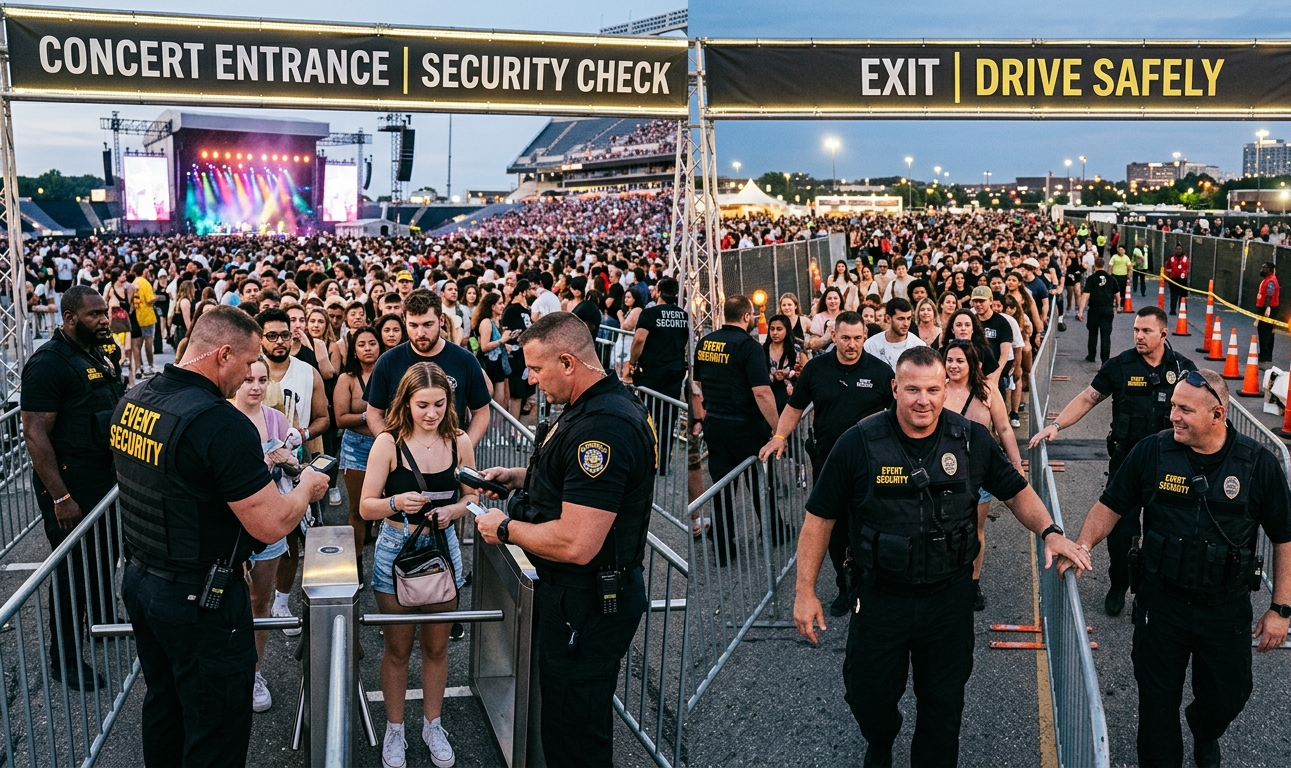

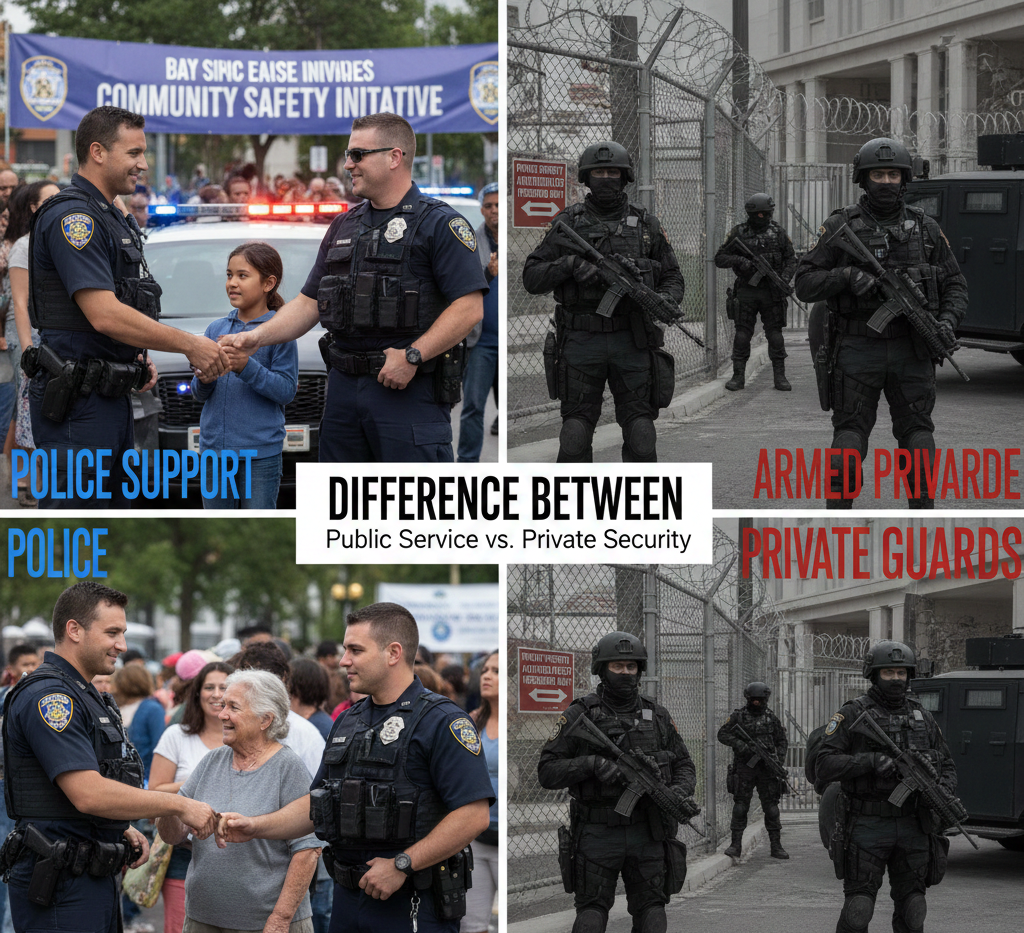
Security is one of the biggest concerns for businesses, institutions, residential communities, and individuals. Many people confuse police support with armed private guards, but both services operate in different ways and serve different purposes. Understanding the difference between police support and armed private guards helps organizations make informed decisions about protection strategies. While both aim to provide safety, their authority, responsibilities, response systems, and working structures are not the same. Choosing the right option depends on the level of risk, urgency, and type of protection required.
What Are Armed Private Guards?
Armed private guards are trained security personnel employed through private security firms. They are licensed to carry firearms according to local laws. Their primary role is to protect specific properties, assets, or individuals.Unlike police officers, armed guards do not represent the government. Their authority is limited to protecting contracted premises or clients. They focus on prevention rather than investigation. Their presence acts as a strong deterrent against robbery, theft, and unauthorized access.Private armed guards are commonly deployed at banks, factories, warehouses, VIP residences, shopping malls, and sensitive installations.
Key Responsibilities of Armed Private Guards
When it comes to private security, armed guards are assigned clear and focused duties. Their role is not limited to standing at entrances; they are responsible for active protection and constant alertness. Here are the Key Responsibilities of Armed Private Guards:
Protection of Property
Armed guards protect buildings, assets, and restricted areas from theft, vandalism, and unauthorized entry. They monitor entry and exit points, verify visitor identities, and conduct regular patrols. Their visible presence discourages criminal behavior and strengthens overall site security through constant alertness and immediate response.
Personal Security Services
High-profile individuals hire armed guards for close personal protection during travel, meetings, and public events. These guards assess surroundings, manage crowd interaction, and reduce potential risks. Their responsibility is to maintain safety, prevent sudden threats, and respond quickly if danger arises.
Risk Prevention and Surveillance
Armed guards actively observe CCTV systems, patrol assigned zones, and identify unusual behavior before it escalates. They document incidents and report threats to management or authorities when required. Their main objective is prevention, maintaining control, and minimizing security risks through continuous monitoring.
Controlled Use of Firearms
Licensed armed guards receive professional training in safe firearm handling and legal compliance. They are instructed to use force only when absolutely necessary and within permitted limits. Their priority is protection and deterrence, while avoiding unnecessary confrontation or escalation of violence.
Advantages of Armed Private Guards
Armed private guards provide dedicated protection. Since they are hired specifically for one location or client, their attention remains focused on assigned duties. Their response time is immediate because they are already stationed on-site.
They offer flexibility in scheduling and deployment. Companies can increase or reduce manpower depending on risk levels. Armed guards also provide visible deterrence, reducing chances of theft or attack.
Private security companies often offer additional services such as access control, alarm monitoring, and risk assessment planning.
Limitations of Armed Private Guards
Armed private guards provide strong on-site protection, but their authority has clear limits. They do not have the legal power to conduct criminal investigations, file official charges, or prosecute offenders in court. Their ability to detain a suspect is restricted and depends on local laws. In most serious situations, such as armed robbery or violent incidents, they must immediately inform the police and hand over the matter to law enforcement authorities. Their role focuses on prevention and immediate response rather than legal enforcement.
Another limitation relates to service quality. Standards can vary between security companies depending on training programs, supervision, and management practices. Not all providers maintain the same level of professionalism. Proper licensing, background checks, and structured training are necessary when choosing a security company. Without strong oversight and accountability systems, guard performance and reliability may differ from one organization to another.
Armed Private Guards: Cost Overview
Armed private guards are hired through licensed security companies. Their cost depends on factors such as risk level, location, number of guards, working hours, and equipment requirements. In many countries, armed guards may cost between $800 to $2500 per month per guard. In Pakistan or UAE, charges vary based on company reputation and security standards.
Unlike police services funded through taxes, armed private guards are contract-based. Businesses or individuals pay directly for their services. This allows customized security planning according to specific needs and risk assessments.
What Is Police Support?
Police support refers to security and law enforcement services provided through government-authorized police departments. Police officers work under national or regional laws and have full legal authority to enforce regulations. Their role is not limited to guarding a single property or person. Instead, they are responsible for maintaining peace across cities, towns, and districts.
Police officers respond to emergency calls, investigate crimes, manage public disturbances, and take legal action against offenders. Their authority is backed through the legal system, which allows them to arrest suspects, conduct investigations, and present cases in court. Police support is a public service designed to protect society as a whole rather than specific private clients.
Key Responsibilities of Police Support
Maintaining Law and Order
Police officers patrol neighborhoods, control crowds, and prevent criminal activities. Their visible presence discourages crime and creates a safer environment for communities.
Crime Investigation
When a crime occurs, police gather evidence, question witnesses, and prepare official reports. They work closely with prosecutors and courts to bring offenders to justice.
Public Safety During Emergencies
Police handle emergencies such as accidents, riots, protests, and natural disasters. They coordinate with other government departments to manage crisis situations.
Legal Authority and Arrest Powers
Police officers have the authority to arrest individuals, use reasonable force, and enforce legal penalties. This power is granted through state law and cannot be exercised through private individuals.
Advantages of Police Support
Police support offers strong legal backing. Their authority to arrest and investigate makes them effective in handling serious crimes. They have access to national databases, forensic resources, and government intelligence systems. Police are trained to manage high-risk public situations such as terrorism threats and large-scale unrest.
Another advantage is credibility. Police officers represent government law enforcement, which gives them higher public trust and legal recognition. Their reports carry legal weight in courts.
Limitations of Police Support
Police departments often handle multiple cases simultaneously. Due to workload and limited manpower, response times may vary depending on urgency and available resources. Police prioritize emergencies based on risk level, which means private property protection may not always receive immediate attention.
Their services are designed for public interest. They cannot provide continuous personal guarding for private businesses or individuals without formal arrangements. Police also follow strict procedural rules, which can limit flexibility in certain private security situations.
Major Differences Between Police Support and Armed Private Guards
One of the most important differences between police support and armed private guards is their level of legal authority. Their powers are defined through law and determine how they can act in different situations.
Authority and Legal Powers
Police officers have full legal authority granted through national or regional law. They can arrest suspects, investigate crimes, collect evidence, and file official cases. Armed private guards have limited authority restricted to the property or client they protect. They can detain temporarily but must involve police for formal legal action.
Response Time
Police respond to emergency calls across cities and districts, which may affect arrival time depending on workload and distance. Armed guards remain stationed on-site at the contracted location. Their presence allows immediate action within the premises, providing faster response to suspicious activities or security incidents.
Training and Focus
Police training includes criminal law, investigation techniques, crowd control, and public safety management. Officers are prepared for community-wide enforcement duties. Armed guards receive training focused on property protection, surveillance monitoring, access control, and controlled risk response within specific assigned locations.
Cost and Accessibility
Police services are funded through public taxes and government budgets, making them accessible to the general population. Armed private guards require direct payment through private contracts. Costs depend on risk level, working hours, and security requirements, making them a customized security solution.
Accountability and Reporting
Police operate under strict government oversight, legal procedures, and internal accountability systems. Their actions are subject to judicial review. Armed private guards report to their security company and client management. Their accountability structure is based on contract terms and company supervision standards.
Scope of Work
Police protect communities, cities, and public order as a whole. Their responsibility extends beyond individual properties. Armed private guards focus on specific clients, assets, or locations under contract. Their role is limited to assigned premises rather than society-wide law enforcement.
Can Police and Armed Guards Work Together?
Police support and armed private guards can work together in a practical and effective way. Many businesses, banks, industrial sites, and residential communities use this combined approach to create layered protection. Armed guards handle daily security duties such as access control, patrols, visitor checks, and immediate response to suspicious activity. Since they remain on-site, they can react quickly to minor incidents and prevent situations from escalating.
If a serious crime occurs, police take over with full legal authority. They conduct investigations, collect evidence, and handle arrests and court procedures. This partnership allows each side to focus on its strengths. Guards provide constant presence and risk prevention, while police manage enforcement and legal matters. Together, they create a stronger and more reliable security system that reduces gaps in protection.
Why Professional Security Planning Matters?
Security needs vary from one location to another. A warehouse faces different risks compared to a shopping mall or residential community. Professional security planning, such as the services provided by Quick Action Security, helps identify possible threats, weak points, and response gaps before problems arise. Without proper assessment, businesses may either overspend on unnecessary services or remain underprotected against real risks.
A structured security plan determines the right balance between private armed guards and police coordination. It outlines emergency procedures, communication channels, and reporting systems. Clear planning also improves response time during critical situations. When everyone understands their roles and responsibilities, confusion is reduced and action becomes more organized. Investing in professional security planning strengthens overall safety, protects assets, and supports long-term stability for organizations and communities.
Conclusion:
The difference between police support and armed private guards lies in their authority, purpose, and working structure. Police officers serve the public and enforce laws across cities and communities. They handle investigations, arrests, and major emergencies. Armed private guards, in contrast, provide dedicated protection to specific clients, properties, or organizations under private contracts. Their focus remains on prevention and on-site security. Both services play valuable roles and, when used correctly, contribute to a safer and more secure environment.