
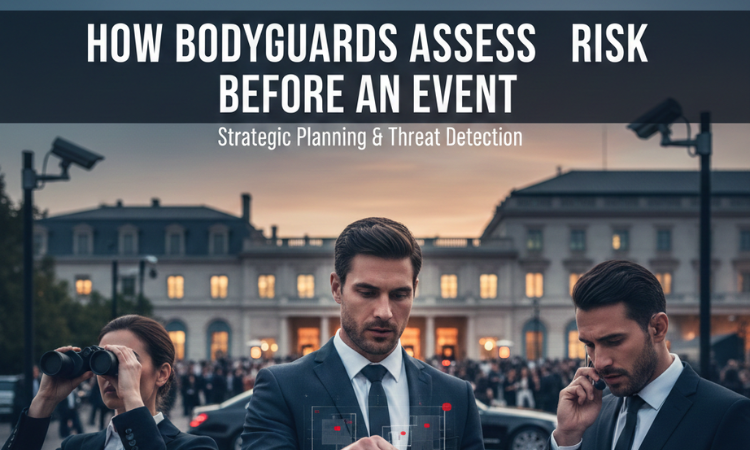
Every high-profile event, whether it is a corporate gathering, a celebrity appearance, or a private party, involves numerous risks that can threaten the safety of attendees and VIPs. Bodyguards play a critical role in assessing these risks before an event, allowing them to prevent potential incidents and respond effectively when emergencies arise.
Risk assessment is not just about observing the crowd or checking the venue; it involves a detailed evaluation of every aspect of the event, including the environment, attendees, possible threats, and emergency preparedness. A thorough assessment ensures that the security team can anticipate challenges and implement strategies to maintain a safe environment.
Comprehensive Risk Assessment and Management for Event Security
Bodyguards use a structured approach to assess risks, combining historical analysis, coordination with security teams, technology, continuous monitoring, and professional expertise. This ensures that every potential threat is anticipated and managed effectively for a safe event.
Understanding the Event
The first step in risk assessment is gaining a comprehensive understanding of the event itself. Bodyguards must know the nature, scale, and purpose of the event to identify potential vulnerabilities. For example, a public concert with thousands of attendees presents different security challenges than a private corporate meeting. Crowd size, venue layout, and the type of audience all influence how risks are evaluated.
Timing and location also matter. Evening events in high-crime areas require heightened vigilance compared to daytime events in secure locations. Weather conditions, parking arrangements, and nearby facilities also contribute to the overall risk profile. By analyzing these factors, bodyguards can anticipate scenarios such as overcrowding, sudden panic, or unauthorized access, and plan accordingly.

Identifying Potential Threats
Identifying potential threats is a crucial part of pre-event risk assessment. Bodyguards categorize threats into physical, security-related, and health-related risks. Physical threats include possible acts of violence, crowd disturbances, or unauthorized intrusions. Events with high-profile guests, controversial speakers, or large crowds increase the likelihood of physical confrontations or attempts to harm attendees.
Security threats extend beyond physical harm and include theft, sabotage, and cyber-related risks, especially in events involving sensitive information or financial transactions. Health emergencies, such as medical conditions, accidents, or sudden illnesses, also fall under the risk assessment umbrella. Anticipating these risks allows the security team to prepare proper measures, including first aid availability and emergency medical services.
Evaluating Attendee Profiles
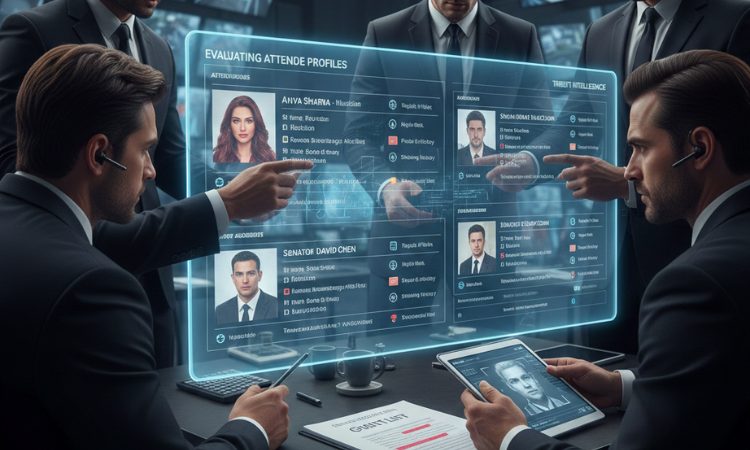
Understanding who will attend the event is another essential step. Bodyguards focus on VIPs, public figures, and individuals who may attract attention or pose a risk. Each attendee’s profile helps in evaluating potential threats and tailoring security measures accordingly. For instance, high-profile celebrities or politicians often have a higher risk of targeted attacks, stalking, or harassment.
In addition, bodyguards review intelligence related to past incidents or threats connected to particular guests. This could include previous harassment cases, ongoing disputes, or political sensitivities. Even regular attendees can be assessed for behavioral patterns if intelligence indicates possible disruptions. By evaluating attendee profiles, the security team ensures that preventive measures are appropriate and focused.
Assessing the Venue
The venue plays a critical role in risk assessment. Bodyguards conduct thorough inspections to identify vulnerabilities and plan for access control, crowd management, and emergency exits. Entry and exit points must be carefully monitored to prevent unauthorized access and manage the flow of attendees efficiently. Restricted areas, backstage sections, and VIP lounges are checked to ensure that only authorized personnel have access.
Surveillance systems, lighting, and on-site security presence are evaluated to determine if additional support is required. Vulnerable spots, such as staircases, elevators, or blind corners, are mapped out to anticipate potential hazards. Proper assessment of the venue allows bodyguards to deploy personnel strategically, ensuring rapid response to incidents while maintaining overall safety.
Reviewing Historical Data
Analyzing past events and historical data is a crucial step in the risk assessment process for bodyguards. By reviewing previous incidents at similar gatherings, including accidents, crowd disturbances, security breaches, or medical emergencies, security teams can identify patterns and anticipate potential challenges. This process provides a reference for preventive strategies, helping bodyguards implement measures that have proven effective in past situations. Local crime trends and intelligence reports also play a significant role in shaping security planning.
Understanding the area’s security context enables the team to anticipate risks such as theft, vandalism, or targeted attacks. Lessons learned from prior operations allow bodyguards to refine deployment strategies, improve access control, and adjust crowd management techniques. Consistently reviewing historical data ensures that security measures are proactive rather than reactive, reducing the likelihood of incidents and providing a safer environment for VIPs and attendees throughout the event.
Coordination with Security Teams
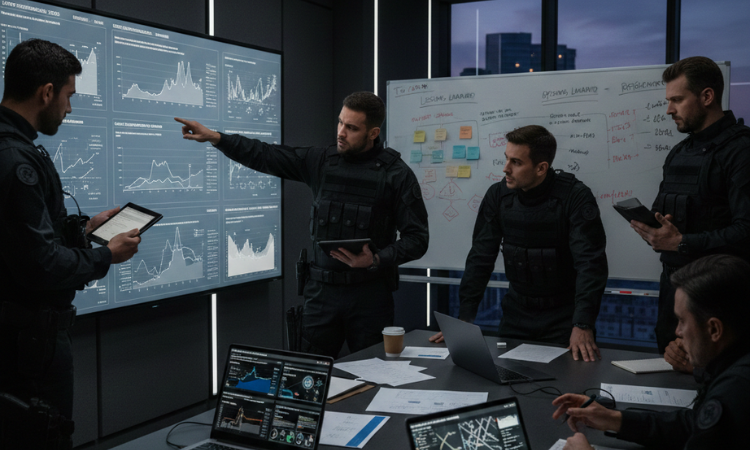
Effective coordination among security personnel is essential for comprehensive risk management. Bodyguards collaborate closely with event organizers, on-site security teams, and local law enforcement to ensure seamless operations. Clear communication protocols define roles, responsibilities, and reporting structures, ensuring that all team members know their duties before and during the event. This collaboration allows security teams to respond quickly and effectively to emergencies such as evacuations, medical incidents, or crowd disturbances.
It also ensures that security measures like access control, surveillance monitoring, and crowd management are consistently enforced across the venue. Regular briefings, walkthroughs, and rehearsals help reinforce the plan, enabling the team to identify potential gaps and adjust strategies as needed. Strong coordination builds a unified response system where every team member works together to anticipate risks, prevent incidents, and maintain the safety of VIPs, guests, and the general public throughout the event.
Developing Emergency and Contingency Plans
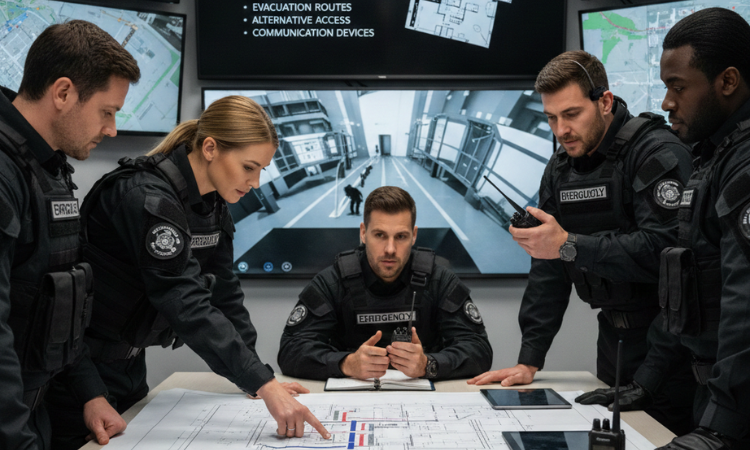
Even the most detailed risk assessment cannot predict every possible scenario, making emergency and contingency planning essential. Bodyguards develop specific procedures for various incidents, including medical emergencies, fires, crowd surges, or threats targeting VIPs. Evacuation routes, assembly points, and safe zones are identified in advance to ensure a clear, organized response.
Contingency plans include backup personnel, alternative access points, and communication devices to manage unforeseen situations efficiently. Regular training exercises and simulations allow the team to practice these plans, enhancing readiness and minimizing confusion during real emergencies. By preparing for multiple scenarios, bodyguards reduce response times and potential harm to attendees. Well-structured emergency plans also instill confidence among VIPs, staff, and participants, demonstrating a professional approach to safety. These proactive strategies are essential for maintaining calm, ensuring smooth operations, and effectively managing risks during high-stakes events.
Using Technology in Risk Assessment
Modern security operations heavily rely on technology to enhance situational awareness and prevent incidents. Bodyguards use surveillance cameras, drones, metal detectors, and access control systems to monitor venues in real-time. GPS tracking and communication devices allow the security team to coordinate efficiently across large or complex locations, ensuring rapid responses to any threat.
Advanced threat detection software and crowd monitoring tools help identify unusual behavior or potential risks before they escalate. Technology not only assists in monitoring physical threats but also helps in managing large crowds and maintaining secure zones for VIPs. By integrating these tools into their risk assessment strategy, bodyguards can proactively address vulnerabilities, improve overall safety, and respond promptly to emergencies. Leveraging technology reduces the likelihood of incidents and allows security teams to focus on preventive measures rather than reacting solely to events as they happen.
Continuous Monitoring and Adjustment
Risk assessment is a continuous process that extends throughout the duration of an event. Bodyguards remain vigilant, constantly observing crowd behavior, monitoring security systems, and adjusting strategies based on evolving circumstances. Dynamic assessment enables rapid responses to unexpected challenges, such as uninvited guests, sudden crowd surges, or environmental changes.
Regular updates and real-time communication among team members ensure that security plans remain relevant and effective throughout the event. Flexibility and adaptability are crucial, as static plans may fail under rapidly changing conditions. Continuous monitoring also allows the team to anticipate secondary risks and implement preventive measures before minor issues escalate. By remaining alert and responsive, bodyguards maintain a secure environment, safeguard VIPs, and provide reassurance to attendees that safety is a priority at every stage of the event.
Training and Experience in Risk Assessment
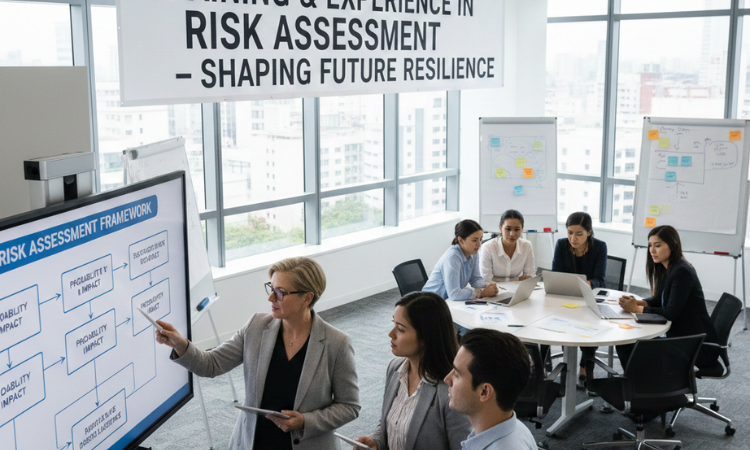
The ability of bodyguards to assess risks effectively relies heavily on professional training and accumulated experience. Security personnel undergo specialized programs that teach threat recognition, protective tactics, emergency response, and crowd management. Experienced bodyguards can interpret behavioral cues, identify potential risks, and make rapid, informed decisions under pressure.
Ongoing training ensures the team remains updated on new security technologies, legal requirements, and industry best practices. Knowledge in areas such as first aid, self-defense, and crowd psychology further strengthens their capacity to manage complex security situations. Experience allows bodyguards to anticipate potential issues that may not be obvious to less-trained personnel. Combined, training and practical experience enable a security team to implement risk assessments proactively, respond efficiently to emergencies, and maintain high levels of safety for VIPs and attendees at any event.
Legal and Ethical Considerations
Risk assessment in security also involves understanding legal and ethical responsibilities. Bodyguards must ensure that all protective measures comply with local laws, including regulations on privacy, use of force, and emergency response procedures. Ethical considerations require balancing safety with respect for attendees, avoiding unnecessary intrusion while maintaining control. Ignoring legal or ethical standards can result in liability issues, reputational damage, or public criticism.
Professional bodyguards integrate legal awareness into their planning, ensuring security operations do not create additional risks. Ethical conduct reinforces trust in the team’s capabilities and professionalism, demonstrating that safety is prioritized without compromising individual rights. Adhering to these principles supports a secure and orderly environment, creating confidence among VIPs, event staff, and participants that security measures are responsible, fair, and reliable throughout the event.
Benefits of Pre-Event Risk Assessment
Conducting a thorough risk assessment before an event provides multiple advantages. It helps minimize the likelihood of security breaches, reduces response times during emergencies, and enhances the confidence of VIPs and attendees. Pre-event assessment allows for strategic planning, ensuring security resources are allocated efficiently and effectively without being excessive or intrusive. Organizations that invest in pre-event evaluations can prevent financial losses, reputational damage, and physical harm.
It also ensures that security teams are prepared for a variety of potential threats while maintaining flexibility to adapt to unforeseen situations. Well-planned assessments contribute to smooth event execution, demonstrating professionalism and instilling trust among participants. Overall, pre-event risk assessment is a proactive strategy that strengthens safety, optimizes operations, and ensures a controlled, secure, and positive experience for everyone involved.
Conclusion:
Risk assessment is a critical component of professional bodyguard services. It involves understanding the event, identifying potential threats, evaluating attendees, inspecting the venue, reviewing historical data, coordinating with security teams, and preparing emergency plans. The integration of technology, continuous monitoring, training, and legal awareness further strengthens the process.
Through comprehensive pre-event assessment, bodyguards can anticipate challenges, respond effectively, and create a safe environment for all attendees. Proper planning ensures that VIPs and participants can focus on the event without worrying about security risks. In today’s complex security landscape, meticulous risk assessment is the foundation of effective protection.
Frequently Asked Questions:
What are the 5 steps of security risk assessment?
The five steps include identifying assets, recognizing potential threats, evaluating vulnerabilities, analyzing risks, and implementing mitigation measures. This structured approach helps security teams understand risks and develop strategies to prevent or respond effectively to potential security incidents.
How to carry out a risk assessment for an event?
Start by understanding the event type, venue, and expected attendees. Identify potential threats, evaluate vulnerabilities, coordinate with security teams, and prepare emergency and contingency plans. Regular monitoring and adjustments ensure a safe and secure environment throughout the event.
What is risk assessment in security guard?
Risk assessment in security involves analyzing potential threats, evaluating vulnerabilities, and implementing preventive measures to protect people, property, and assets. Security guards use this process to anticipate dangers, plan responses, and maintain safety during events or at workplaces.
What are the 5 risk assessments?
The five common types include: operational risk assessment, physical security assessment, personnel risk assessment, environmental risk assessment, and procedural or policy assessment. Each type examines specific vulnerabilities and threats to ensure comprehensive security planning and mitigation strategies.