
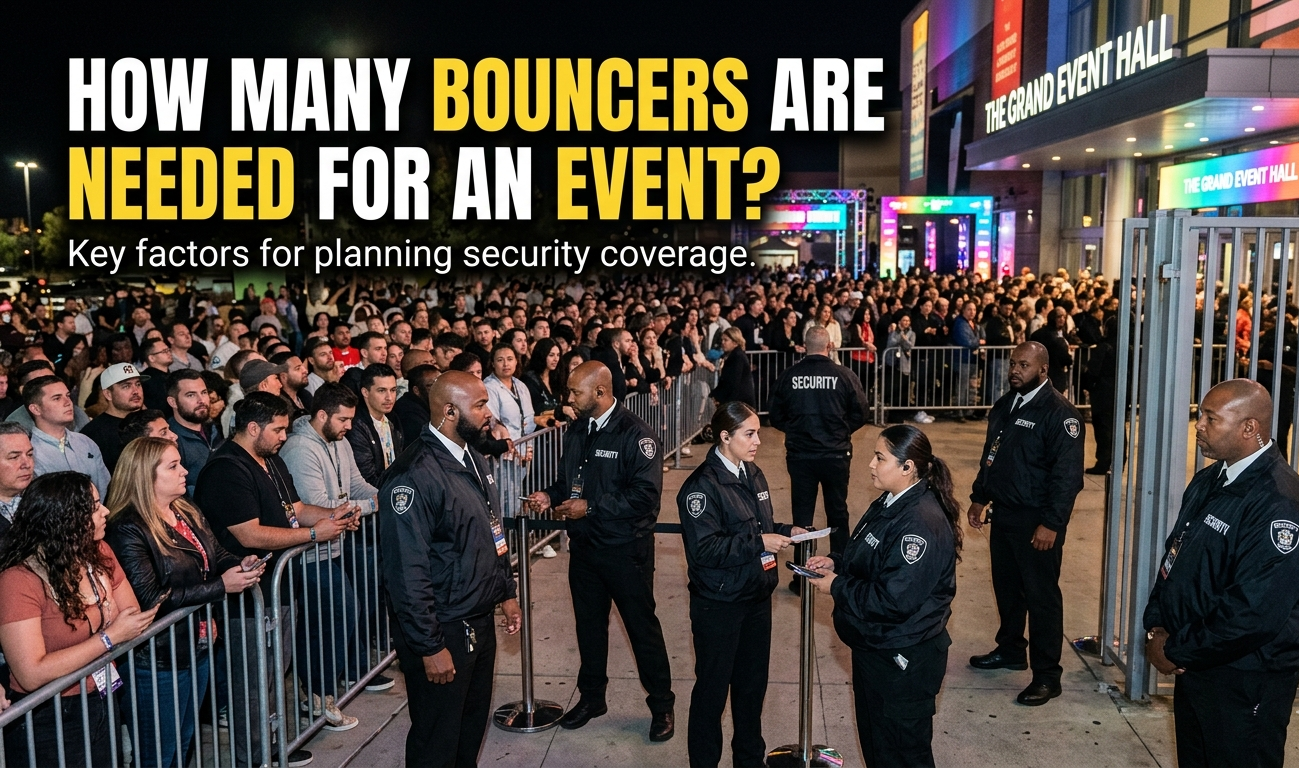
Planning event security requires clear thinking, careful assessment, and an understanding of how crowd behavior works. One of the most common questions event organizers ask is how many bouncers are needed to maintain safety without creating an overwhelming presence. The answer is not fixed because every event has different needs depending on size, type, audience, and risk level. A well-balanced security plan helps protect guests, manage entry points, and handle unexpected situations without disturbing the overall experience. Choosing the right number of bouncers is not only about control, it also reflects professionalism and responsibility toward everyone attending the event.
Evaluating Crowd Size and Guest Capacity
The number of guests expected at an event plays a major role in deciding how many bouncers are required. Professional security services usually begin with this estimate to design a plan that fits the event size and nature. A small private gathering may need only a few security personnel, while large public events demand a more structured approach. Industry practice often suggests one bouncer for every 50 to 100 guests, but this ratio can change depending on the environment. A tightly packed indoor venue requires more attention compared to an open outdoor space. Crowd density also affects how quickly security staff can respond to situations. Proper positioning of bouncers ensures that all areas remain visible and accessible. Event planners should always estimate attendance realistically and prepare for slightly higher numbers to avoid last-minute issues, which allows security services to manage the crowd more effectively.
Type of Event and Risk Level
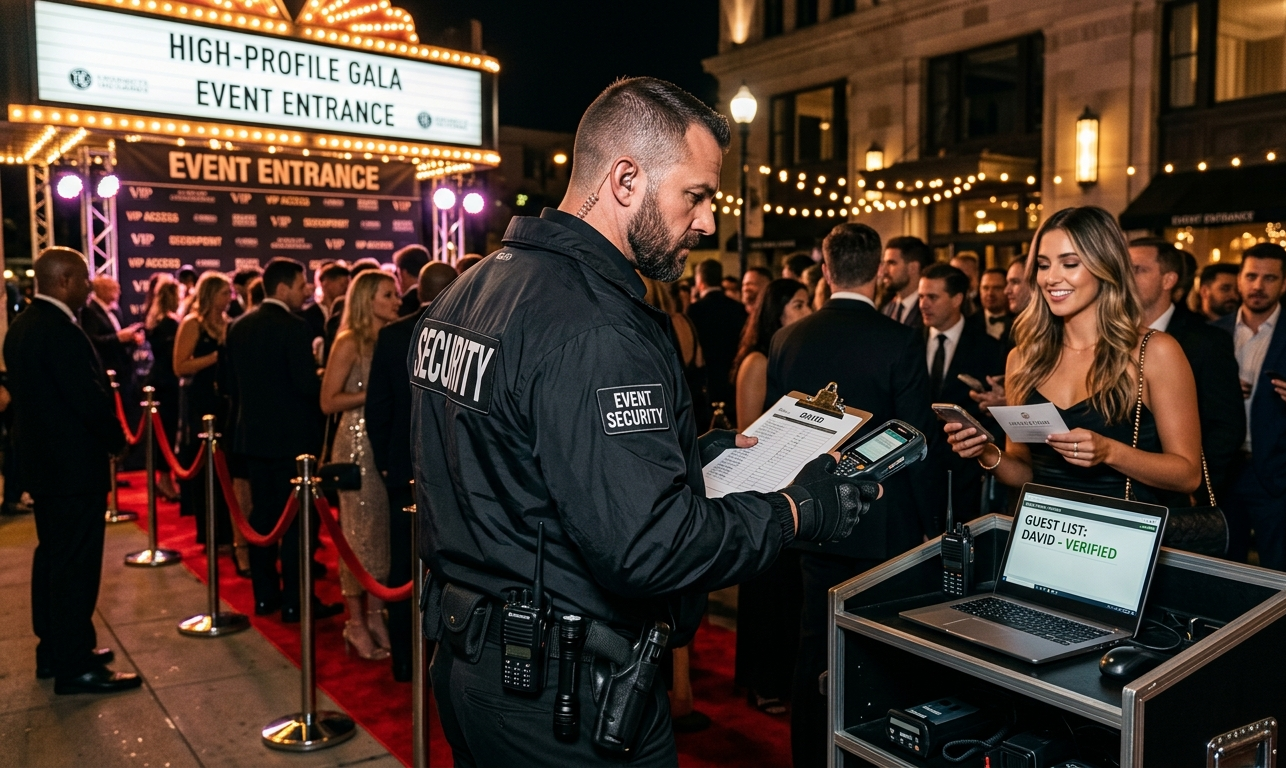
Different types of events carry different levels of risk, which directly impacts security requirements. A corporate seminar usually needs fewer bouncers compared to a music concert or late-night party where emotions and energy levels are higher. Events that involve alcohol service often require additional security staff to manage behavior and prevent conflicts. High-profile gatherings or celebrity appearances also increase security demands. In such cases, bouncers are responsible not only for crowd control but also for protecting specific individuals. Understanding the nature of the event helps in identifying potential risks and planning accordingly. A detailed risk assessment allows organizers to decide the right number of bouncers without overstaffing or compromising safety.
Venue Layout and Entry Points
The structure and layout of the venue significantly influence how many bouncers are needed. Multiple entrances and exits require dedicated personnel at each point to monitor access and prevent unauthorized entry. Large venues with separate sections such as VIP areas, backstage zones, and general seating need additional staff to manage movement between these spaces. Narrow hallways, staircases, and hidden corners can become challenging areas that demand extra attention. Proper placement of bouncers ensures that every part of the venue is covered effectively. Event organizers should conduct a site inspection before finalizing security arrangements. A clear understanding of the layout helps in assigning roles and avoiding gaps in coverage.
Legal Requirements and Safety Standards
Local laws and safety regulations often provide guidelines for event security, which must be followed carefully. These rules may specify the minimum number of security personnel based on crowd size and event type. Ignoring these requirements can lead to legal issues and potential penalties. Safety standards also include emergency preparedness, such as managing evacuations and responding to medical situations. Trained bouncers play an important role in guiding guests during emergencies and maintaining order. Event organizers should always check local regulations and ensure that their security plan meets all legal obligations. Compliance not only protects the event but also builds trust with attendees and authorities.
Experience and Skill Level of Bouncers
Not all bouncers offer the same level of expertise, and their experience can influence how many are required. Highly trained professionals can manage larger crowds more effectively compared to less experienced staff. Skilled bouncers are better at conflict resolution, communication, and quick decision-making. Their presence alone can act as a deterrent to unwanted behavior. Hiring trained and licensed personnel may reduce the need for a larger team while maintaining strong security coverage. Event organizers should focus on quality as much as quantity when selecting security staff. Investing in experienced bouncers ensures smoother operations and a safer environment for everyone involved.
Special Considerations for High-Risk Events
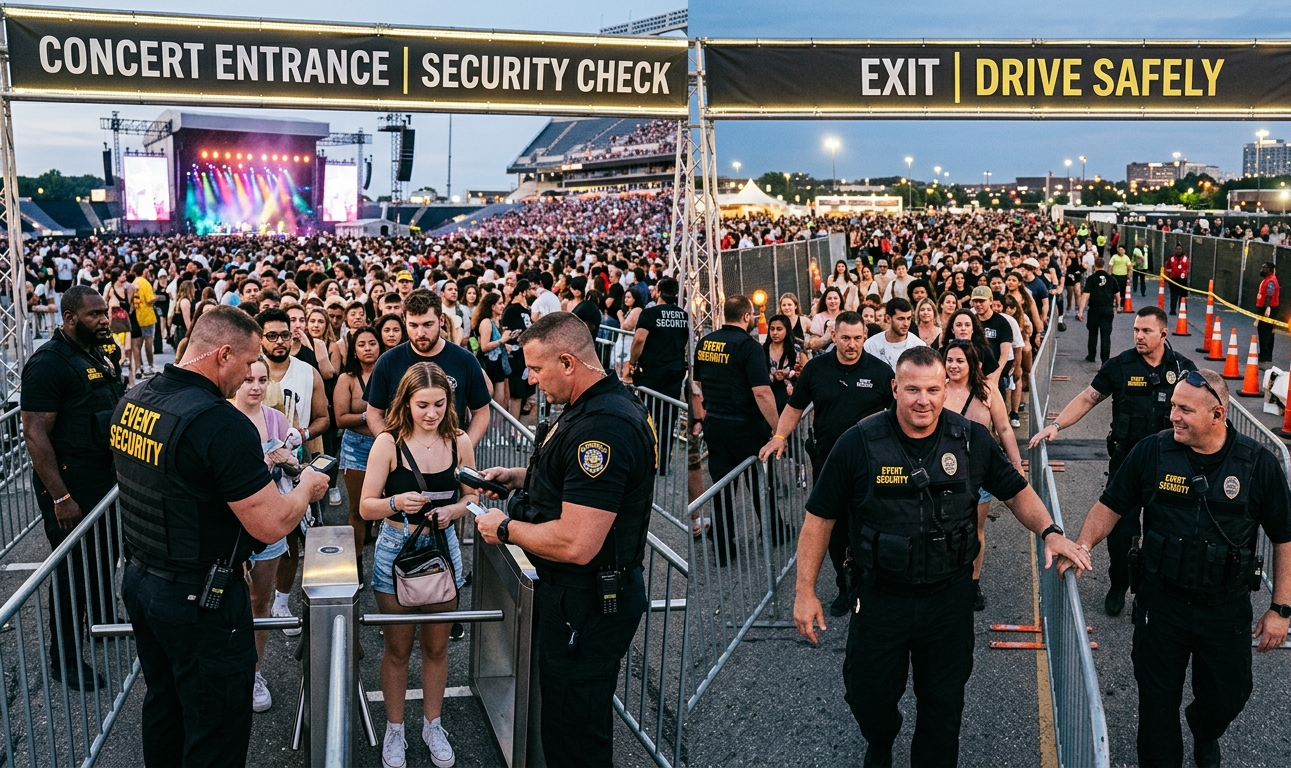
Some events require extra security measures due to their nature or audience profile. Political gatherings, concerts with large fan followings, and festivals often attract diverse crowds, increasing the chances of disturbances. In such situations, additional bouncers are needed for crowd control, access management, and quick response to incidents. Coordination with local authorities may also be necessary for enhanced security. Events held at night or in unfamiliar locations demand extra caution and planning. Security teams should be prepared for unexpected situations and have clear communication channels. A proactive approach helps prevent problems before they escalate and ensures a safe experience for all attendees.
Ending Lines:
Deciding how many bouncers are needed for an event requires a careful balance between safety and practicality. Each event brings its own challenges, and a well-planned security strategy ensures smooth operations from start to finish. Taking into account crowd size, venue layout, and risk factors helps in making the right decision. Professional security not only protects guests but also enhances the reputation of the event, leaving a lasting positive impression on everyone involved.