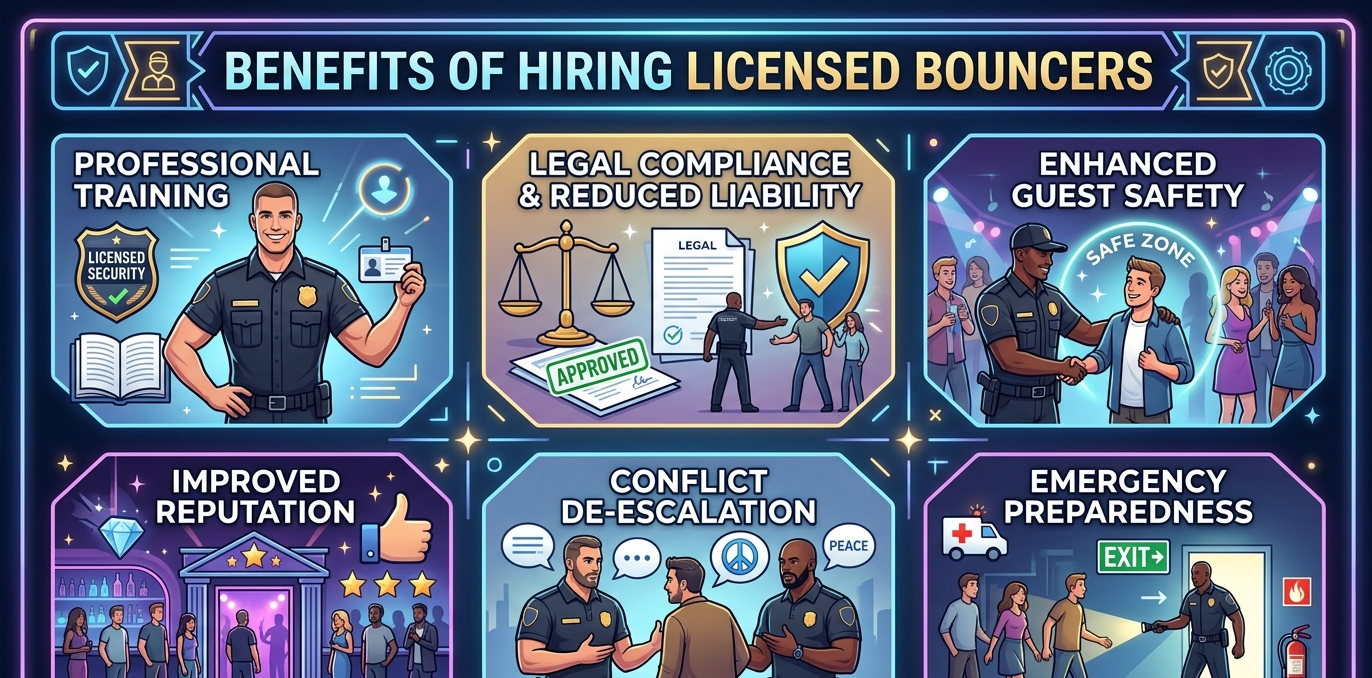

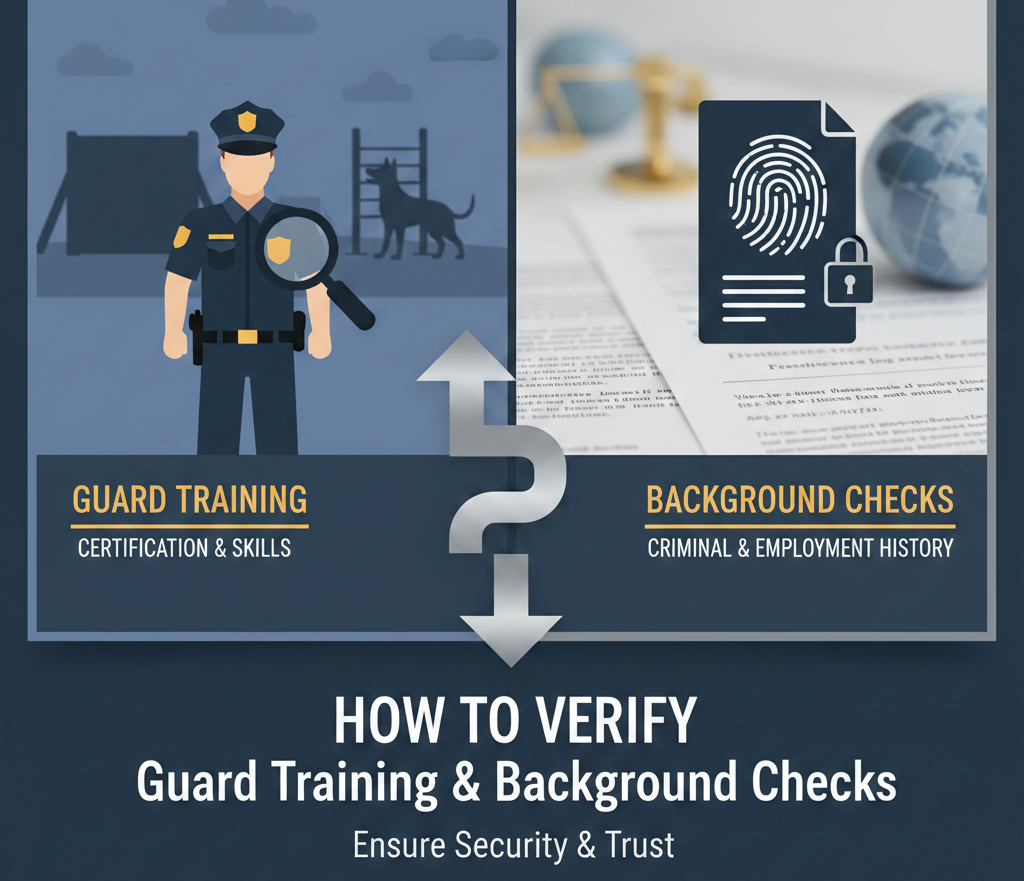
Security guards play a direct role in protecting people, property, and daily operations. A guard may look professional in uniform, but appearance alone does not confirm proper training or a clean background. Verifying guard training and background checks helps reduce security risks and builds confidence among residents, employees, and visitors. Trained guards respond better during emergencies, follow rules correctly, and communicate clearly. Background checks help confirm trustworthiness and past conduct. Without verification, unqualified guards can create safety gaps instead of protection. Understanding how to verify training and screening processes helps decision-makers choose reliable security services and maintain a safer environment.
Why Guard Verification Is Important for Security Services?
Guard verification forms the foundation of dependable security services. When guards are properly trained and screened, they perform duties with discipline, awareness, and responsibility. Verification helps prevent incidents caused by poor judgment, lack of skills, or unethical behavior. In housing societies and commercial properties, residents and staff expect guards to manage access points, handle disputes, and respond calmly during emergencies. Without verification, untrained guards may fail to follow procedures or react incorrectly under pressure. Background verification also reduces the risk of internal theft, misuse of authority, or unauthorized access. Security providers that follow structured verification processes show professionalism and accountability. Clients gain peace of mind knowing guards meet industry standards and legal requirements. Proper verification also supports long-term safety planning and strengthens trust between security companies and the communities they protect.
What Proper Guard Training Includes?
Proper guard training builds the skills and awareness required for effective security work. It prepares guards to handle daily responsibilities, respond to risks, and follow site rules correctly. Understanding the training structure helps clients evaluate guard readiness and service quality.
Basic Security Guard Training
Basic security guard training focuses on core duties required for daily operations. Guards learn access control procedures, visitor management, and patrol routines. Training explains how to check identification, record entries, and monitor restricted areas. Guards are taught observation techniques to detect suspicious behavior early. Emergency response basics are also included, such as handling fire alarms, medical situations, or disturbances. This level of training builds discipline and routine awareness. Guards understand how to follow instructions, use communication tools, and report incidents clearly. Basic training forms the starting point for professional security work and helps guards perform assigned tasks with confidence and consistency.
Advanced Skill Training
Advanced training prepares guards to handle complex situations with calm decision-making. This includes conflict handling, crowd control, and communication during tense moments. Guards learn how to defuse arguments and protect people without using unnecessary force. Training also covers situational awareness, risk assessment, and teamwork under pressure. Guards may learn how to operate surveillance systems and write detailed incident reports. Advanced skills help guards respond effectively during emergencies and unusual incidents. This training improves professionalism and reduces the chance of mistakes. Guards with advanced training add value to security services and strengthen overall safety management.
Site-Specific Training
Site-specific training focuses on the unique needs of each location. Guards learn layout details, entry points, emergency exits, and site rules. Housing societies, offices, and industrial areas all require different security approaches. Training explains site-specific risks and daily routines. Guards understand expectations related to visitors, deliveries, and resident interactions. This type of training helps guards work efficiently without confusion. Site-specific preparation improves response time during incidents and supports smoother coordination with management. It also reduces errors caused by unfamiliarity. Clients benefit when guards understand their environment clearly.
How to Verify Security Guard Training Records
Checking Training Certificates
Training certificates provide formal proof of completed programs. Clients should check certificate authenticity, issuing institutions, and completion dates. Certificates should match the guard’s role and site requirements. Outdated or missing certificates may indicate poor training management. Verified certificates help confirm that guards have received structured instruction. This step reduces the risk of unqualified personnel deployment.
Reviewing Training Schedules
Training schedules show how often guards receive refresher sessions. Regular training keeps guards updated on procedures and safety practices. Reviewing schedules helps confirm commitment to skill improvement. Infrequent or missing sessions may weaken performance. Consistent training supports reliable service quality.
Verifying Supervisor Sign-Offs
Supervisor sign-offs confirm practical evaluations and on-site performance checks. Supervisors observe guard behavior and readiness. These sign-offs show accountability and performance monitoring. They help ensure training translates into real-world effectiveness.
What Background Checks Should Include?
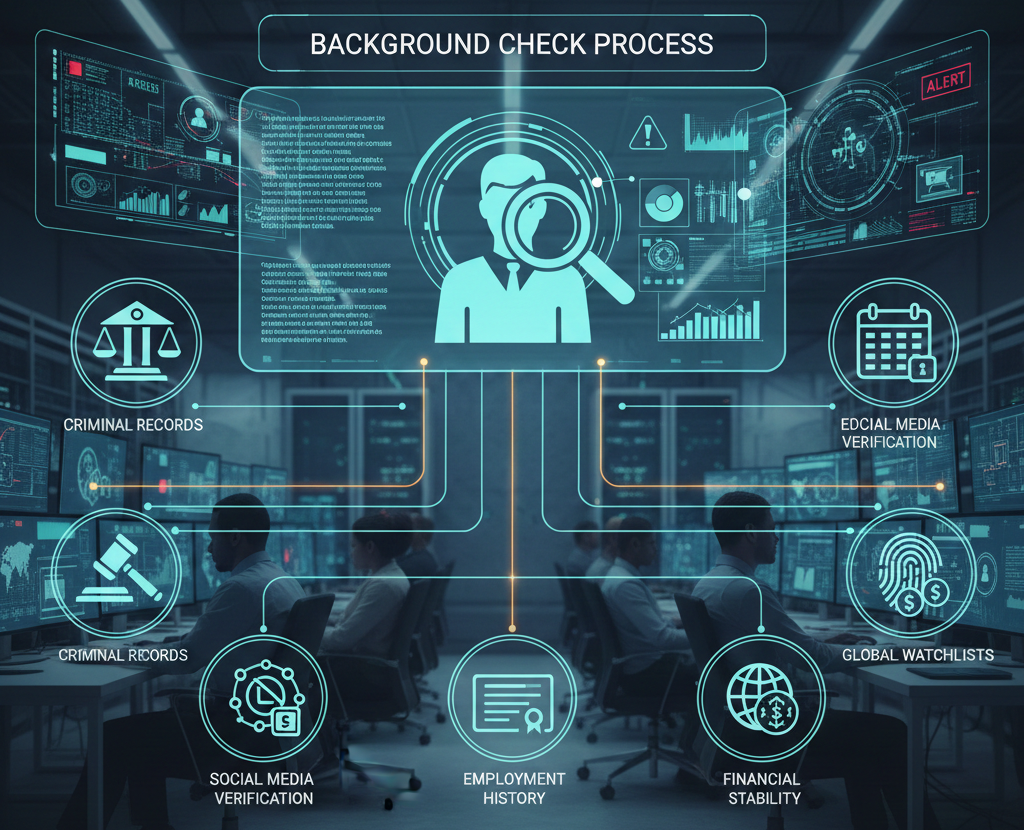
Background checks help confirm a guard’s reliability and character. Proper screening reviews identity, history, and past conduct. This process helps reduce risks related to trust and safety. Clients should understand what screening steps are included. Strong background checks support safer environments and responsible staffing.
Identity Verification
Identity verification confirms that a security guard’s personal details are genuine and legally valid. This process includes checking CNIC or official identification documents to prevent impersonation or false identities. Address verification is also conducted to confirm residential details and improve traceability. Proper identity checks help maintain accountability and allow security companies to track individuals accurately. This step forms the foundation of a reliable background screening process.
Criminal Record Screening
Criminal record screening reviews a guard’s past legal history to identify potential risks. Police clearance certificates are commonly used to confirm clean records. This screening helps reduce the chances of misconduct, theft, or unsafe behavior on duty. Reviewing legal history supports safer environments and builds confidence in guard reliability. A thorough criminal check is a key part of responsible security staffing.
Employment History Verification
Employment history verification confirms previous job roles and work experience of security guards. This process helps validate skills, discipline, and reliability. Contacting former employers provides insight into performance and behavior. Verified work history supports confidence in guard selection and reduces the risk of hiring unqualified staff. It also helps match guards to suitable sites and responsibilities.
How Security Companies Conduct Background Checks?
Security companies follow a structured process to screen guards before deployment. The first step usually involves an internal screening process where personal details, identity documents, and initial applications are reviewed. This stage helps confirm basic eligibility and removes incomplete or suspicious profiles early. After internal checks, many professional companies rely on third-party verification support to strengthen accuracy. External agencies help verify police clearance, address records, and past employment history.
This added layer reduces bias and improves reliability. Documentation handling plays a key role throughout the process. All records are collected, organized, and stored securely for future reference. Proper documentation allows companies to track updates and respond quickly to client inquiries. Well-managed background checks show a company’s commitment to safety and transparency. When screening is done carefully, it reduces risks linked to misconduct and builds confidence among clients. A clear background check process also supports consistent hiring standards and helps maintain service quality across different sites.
Questions to Ask a Security Service Provider
Asking the right questions helps clients assess the quality of a security provider. One important area involves understanding how guards are screened before hiring. Providers should explain each step clearly, including identity checks and criminal screening. Another key question focuses on how often checks are updated. Background verification should not be a one-time task. Regular updates help catch changes in records and maintain safety standards. Clients should also ask about proof and records availability.
Reliable companies keep organized files and are willing to share relevant documentation when requested. These questions help identify professional providers and filter out unreliable services. Open communication shows accountability and confidence in procedures. When providers answer clearly and provide evidence, it reflects strong management practices. Asking these questions supports better decision-making and long-term security planning. It also helps clients avoid future issues caused by weak screening or poor record keeping.
Common Red Flags to Watch For
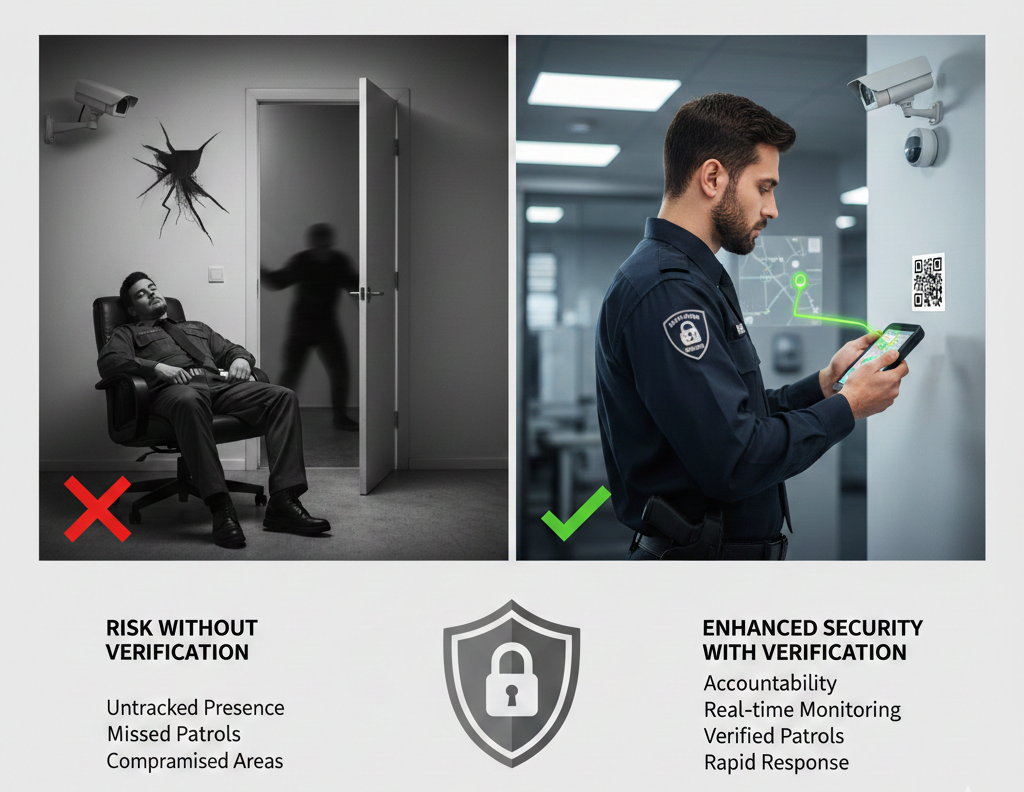
Certain warning signs indicate weak security management. Missing documentation is one of the most common red flags. When companies fail to provide training certificates or background records, it raises concerns about staff quality. Outdated training records also signal poor supervision. Guards must receive updated instruction to remain effective and alert. Old or expired records suggest neglect in skill development. Another serious issue involves unverified staff deployment. Sending guards to sites without complete screening increases safety risks. These red flags often lead to poor performance and higher incident chances. Clients should remain cautious when providers avoid questions or delay document sharing. Identifying these issues early helps prevent long-term problems. Reliable security companies maintain transparency and follow structured processes. Recognizing red flags supports safer hiring decisions and protects people and property from unnecessary risks.
Role of Regular Audits and Monitoring
Regular audits and monitoring help maintain high security standards. Surprise inspections allow supervisors to observe guards during actual duty hours. These checks reveal real performance levels and discipline. Performance tracking also plays a major role. Attendance records, incident reports, and supervisor feedback help measure consistency and responsibility. Monitoring helps identify training needs and behavioral issues early. Compliance checks confirm that guards follow company policies and legal guidelines. Audits also verify document accuracy and background updates. This process supports continuous improvement and accountability. Security companies that conduct audits show commitment to service quality. Monitoring systems help reduce negligence and improve response readiness. Regular evaluation strengthens coordination between guards and management. For clients, audits provide reassurance that security services remain reliable and professional over time.
Benefits of Hiring Verified and Trained Guards
Hiring verified and trained guards brings multiple long-term advantages. One major benefit is better incident handling. Trained guards respond calmly, follow procedures, and communicate effectively during emergencies. Improved trust also develops among residents, employees, and visitors. People feel safer when guards act professionally and confidently. Verified guards reduce fear and uncertainty within the environment. Long-term security stability is another major advantage. Consistent training and screening reduce turnover and performance issues. Verified guards follow rules and respect boundaries. This stability supports smoother operations and fewer disruptions. Clients benefit from reduced risks and dependable protection. Professional guards strengthen security planning and create a safer atmosphere. Choosing verified and trained staff supports peace of mind and long-term safety goals.
Conclusion:
Verifying guard training and background checks plays a major role in maintaining safe and reliable security services. Proper verification confirms that guards are skilled, disciplined, and trustworthy. Training records show preparedness, while background checks help reduce internal risks. Clients who take time to review documentation, certificates, and screening processes gain better protection and peace of mind. Security providers that follow structured verification standards demonstrate professionalism and responsibility. Careful verification supports long-term safety and strengthens trust between security teams and the communities they serve.