
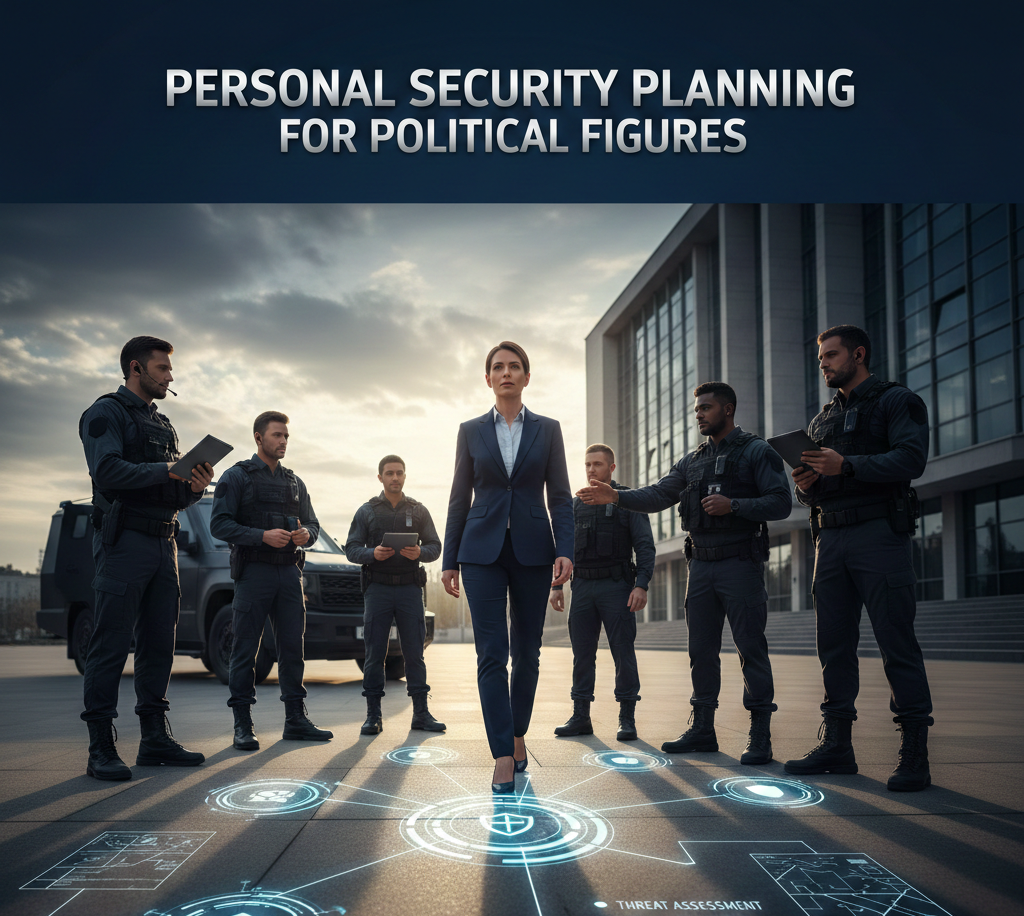
Personal Security Planning for Political Figures is not just about bodyguards and armored vehicles. It is a complete strategy designed to protect leaders from physical threats, reputational risks, and unexpected emergencies. Political personalities face constant public exposure, media attention, and unpredictable situations. Large crowds, public speeches, and political rallies increase security risks. Without a structured plan, even a small mistake can create serious consequences. A well-designed security framework ensures safety, smooth public appearances, and confidence during official duties. Effective planning combines risk assessment, trained security teams, advanced technology, and crisis management protocols. This article explains the key elements of personal security planning and how professional protection services help political figures stay safe while performing their responsibilities.
Risk Assessment and Threat Analysis
Every strong security plan begins with detailed risk assessment and threat analysis. Political figures face different types of risks depending on their status, public influence, and location. Security experts study past incidents, political tensions, and intelligence reports before designing a protection strategy. They identify potential threats such as protest groups, hostile individuals, cyber risks, or organized criminal activity. This assessment also includes analyzing travel routes, event venues, and residential areas.
Security teams collect data from reliable sources and evaluate how likely a threat is to occur. After identifying possible risks, they categorize them according to severity and urgency. This process helps in deciding the level of protection required. Without proper threat analysis, security arrangements remain incomplete and reactive instead of preventive. Proactive planning allows political figures to attend meetings, rallies, and official events without unnecessary fear. Careful risk assessment forms the backbone of personal security planning and ensures that protection measures remain practical and adaptable.
Close Protection and Bodyguard Services
Close protection is one of the most visible aspects of personal security planning for political figures. Trained bodyguards stay near the individual at all times to respond immediately to potential threats. These professionals receive specialized training in defensive tactics, crowd management, emergency evacuation, and conflict resolution. Their primary responsibility is to prevent any physical harm while maintaining a low-profile presence.
Professional close protection officers study the habits, daily routines, and public schedules of the political figure. This helps them anticipate risks before they arise. They also coordinate with local law enforcement agencies to ensure additional support during high-risk events. Bodyguards must remain alert without appearing aggressive, as political leaders often interact closely with the public. A well-trained team balances accessibility with protection. The presence of skilled close protection officers builds confidence and allows political figures to focus on their duties without distraction. Their preparedness and quick decision-making skills can prevent minor incidents from escalating into serious security crises.
Secure Transportation Planning
Transportation remains one of the most vulnerable areas in personal security planning. Political figures travel frequently for meetings, campaigns, and public appearances. Each journey creates potential exposure to threats. Secure transportation planning involves route analysis, vehicle inspection, and coordination with escort teams. Security experts carefully select primary and alternative routes to avoid predictable patterns. Armored vehicles are often used for high-risk individuals. Drivers receive advanced training in defensive and evasive driving techniques. Before departure, the route is checked for unusual activity or suspicious obstacles. Communication systems remain active throughout the journey to ensure real-time updates. Timing also plays a significant role. Travel schedules are often kept confidential to prevent security leaks.
Proper transportation planning reduces the risk of ambush, protests, or unexpected disruptions. It ensures that political leaders can travel safely between destinations without delays or security compromises. Consistent review of transportation strategies keeps protection measures effective against changing threat environments.
Residential Security Management
The home of a political figure must be treated as a secure zone. Residential security management involves perimeter protection, access control systems, surveillance cameras, and trained guards. Security professionals assess entry and exit points to minimize vulnerabilities. Gates, fences, alarm systems, and biometric access controls strengthen the safety of the residence. Surveillance cameras operate around the clock and are monitored by trained personnel. Visitors undergo identity verification before entry. Staff members working inside the residence may also undergo background checks to prevent internal risks. Emergency response plans are prepared in case of fire, medical issues, or security breaches.
Residential security does not only focus on physical barriers. Privacy protection also plays a critical role. Information regarding family routines, home address details, and personal schedules must remain confidential. A secure residence allows political figures and their families to live with peace of mind. Continuous monitoring and regular security audits ensure that the residential protection system remains reliable and updated.
Crowd Control and Event Security
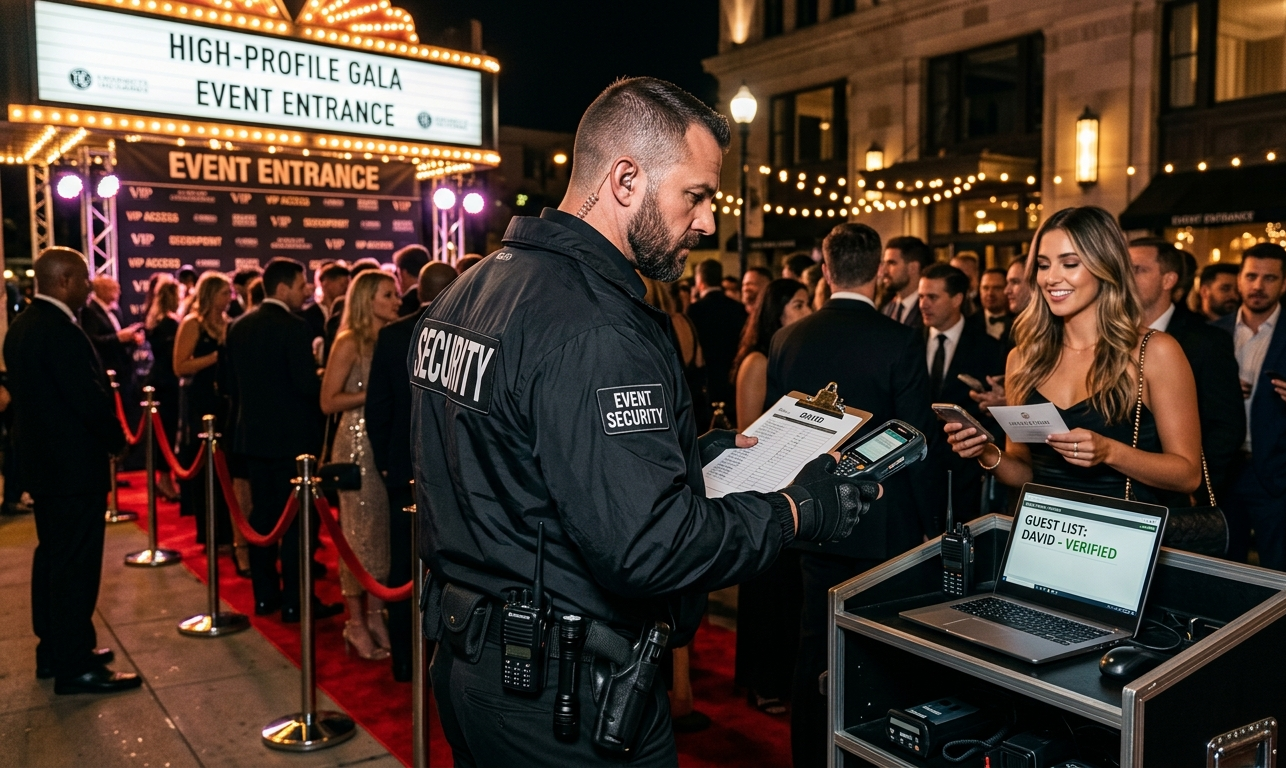
Political leaders frequently attend rallies, press conferences, and public gatherings. Managing large crowds requires detailed planning and coordination. Event security begins with site inspection. Security teams analyze entry and exit routes, stage placement, emergency evacuation points, and crowd movement patterns. Access control measures help prevent unauthorized individuals from entering restricted areas. Metal detectors, screening checkpoints, and credential verification systems are commonly used during high-profile events. Trained personnel monitor crowd behavior to detect early signs of unrest or aggression.
Coordination with local authorities strengthens overall security arrangements. Emergency medical teams remain on standby to handle health-related incidents. Clear communication between security officers ensures quick response to unexpected situations. Effective crowd control minimizes chaos and prevents panic. When properly managed, public events can proceed smoothly while maintaining the safety of the political figure and attendees.
Cybersecurity and Information Protection
Modern personal security planning goes beyond physical protection. Political figures are frequent targets of cyberattacks, hacking attempts, and data leaks. Cybersecurity measures protect sensitive information such as travel schedules, communication records, and strategic plans. Security experts install encrypted communication systems to prevent unauthorized access. Firewalls, antivirus software, and secure networks reduce the risk of cyber intrusions. Social media accounts require strict password management and multi-factor authentication. Staff members must follow data protection protocols to avoid accidental leaks.
Cyber threats can damage reputation and compromise safety. A leaked travel itinerary, for example, may expose a political leader to physical risk. Therefore, digital security must align with physical security measures. Regular cybersecurity audits and monitoring systems detect suspicious activity early. Strong information protection safeguards not only personal safety but also political credibility and public trust.
Emergency Response and Crisis Management
Despite careful planning, unexpected incidents may still occur. Emergency response planning ensures that security teams react quickly and effectively during crises. This includes preparing for medical emergencies, protests, natural disasters, or targeted attacks. Security personnel conduct regular drills to practice evacuation procedures and rapid response strategies. Communication chains remain clear so that every team member understands their role during emergencies. Backup vehicles and safe locations are identified in advance. Crisis management also involves media handling. Accurate and controlled communication prevents misinformation from spreading during sensitive situations. Quick decision-making and coordinated action reduce potential damage. A prepared security team can transform a chaotic event into a controlled situation. Effective emergency response planning builds resilience and strengthens overall protection strategies for political figures.
Coordination with Law Enforcement Agencies
Personal security planning for political figures requires close collaboration with local and national law enforcement agencies. Government authorities often provide intelligence reports, threat alerts, and additional manpower during high-risk events. Security teams share relevant information with police departments to ensure unified action. Joint planning meetings help identify vulnerabilities and assign responsibilities. During official events, coordination ensures smooth traffic control, crowd management, and perimeter security. Strong relationships with law enforcement agencies enhance overall preparedness. It ensures that backup support is available if a situation escalates beyond the capacity of the private security team. Effective collaboration strengthens the security network surrounding political leaders and improves response efficiency during emergencies.
Continuous Monitoring and Security Updates
Security planning is not a one-time task. Threat environments change rapidly due to political developments, social tensions, or global events. Continuous monitoring allows security teams to update strategies according to current risks. Regular security audits evaluate existing measures and identify potential weaknesses. Technology upgrades, training sessions, and policy revisions keep the protection plan relevant. Feedback from previous events helps improve future planning. Political figures must adapt to new challenges without compromising safety. Ongoing evaluation ensures that protection strategies remain flexible and effective. Continuous improvement reflects professionalism and commitment to long-term security.
Conclusion:
Personal Security Planning for Political Figures is a comprehensive process that combines risk assessment, close protection, transportation safety, residential security, cybersecurity, and crisis management. Each component plays a vital role in ensuring safety during public and private engagements. Political leaders operate in high-risk environments where careful planning can prevent serious incidents. Professional security services provide structure, expertise, and preparedness needed for reliable protection. With continuous monitoring and coordination, personal security planning allows political figures to focus on leadership responsibilities with confidence and peace of mind.