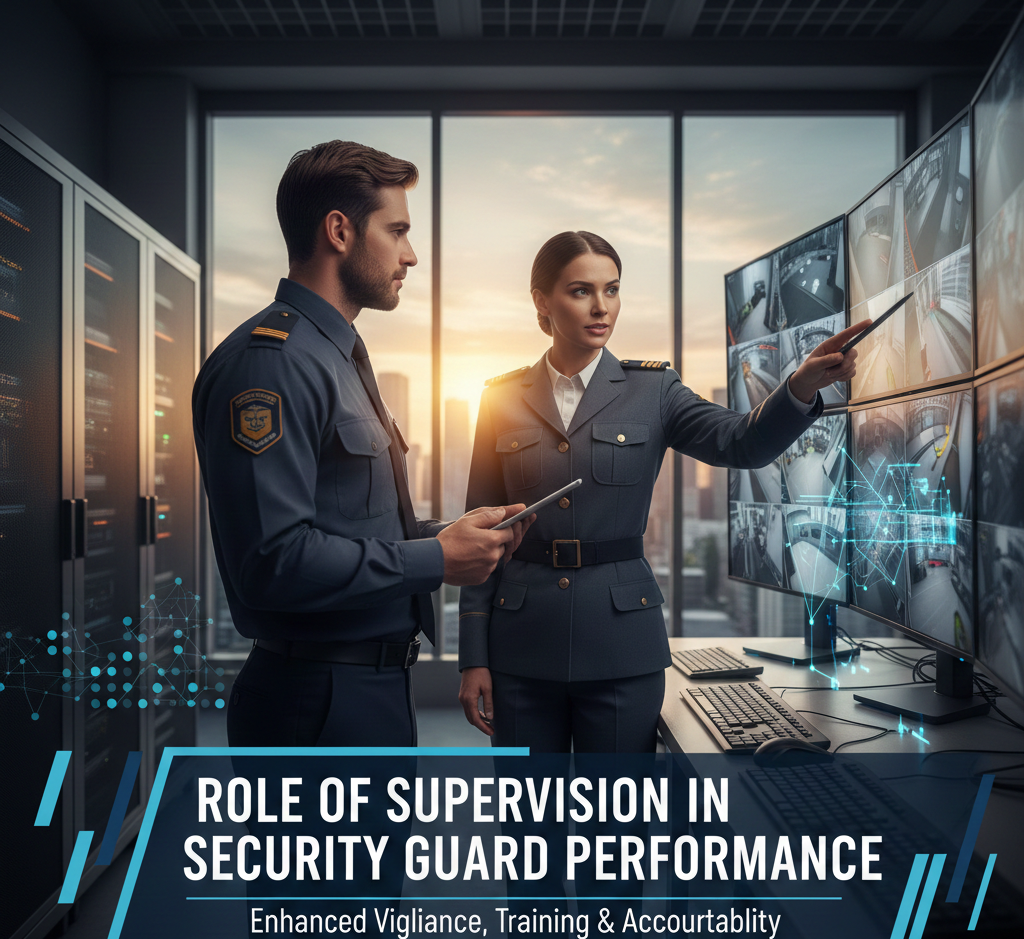
Security guard performance depends on more than uniforms and duty hours. Strong supervision plays a major role in shaping how guards work, react, and stay alert on duty. Supervision helps guards understand their responsibilities clearly and follow security procedures properly. Without guidance and regular checks, even trained guards can lose focus or make mistakes. Proper supervision keeps guards disciplined, confident, and prepared for daily security tasks. It also helps security companies maintain service quality and client trust. This article explains how supervision affects security guard performance and why it matters for safety, discipline, and overall security operations.
What Supervision Means in Security Services?
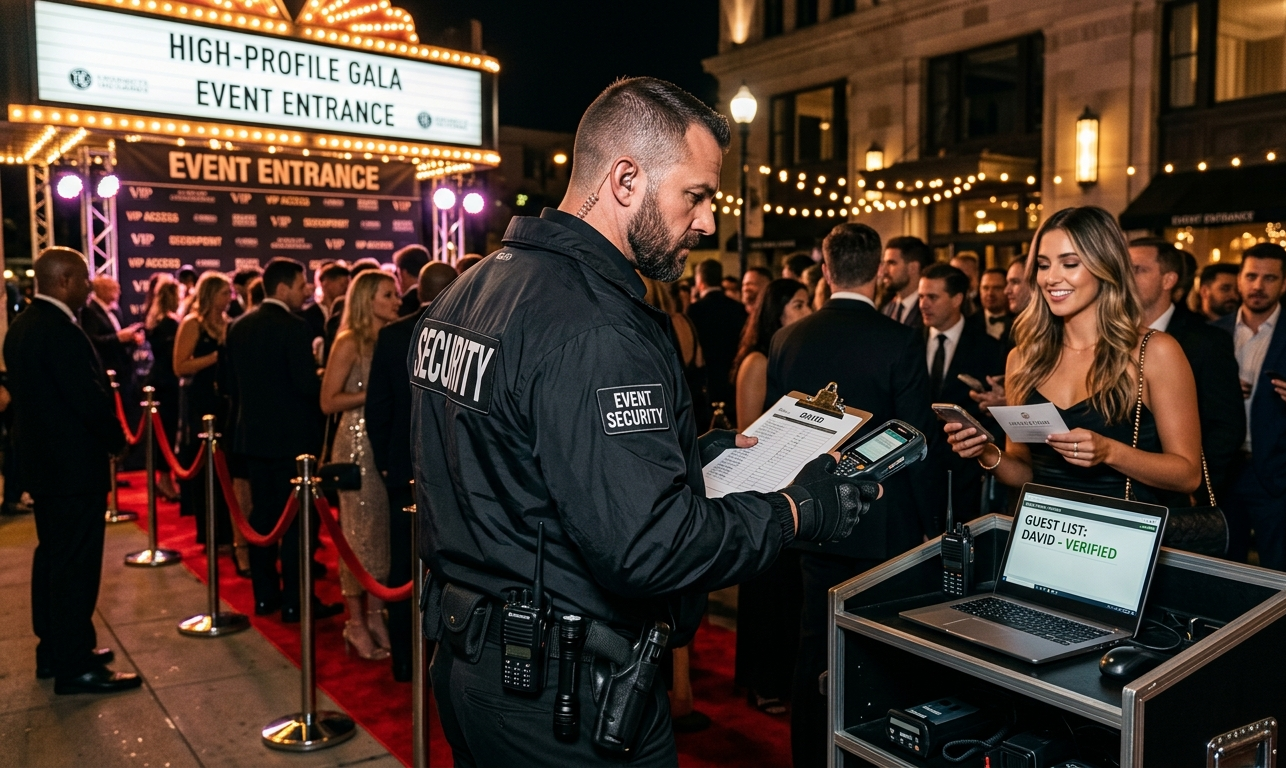
Supervision in security services refers to the continuous monitoring, guidance, and support provided to security guards during duty hours. A supervisor acts as a link between management and guards, making sure instructions are followed correctly. Supervision includes checking attendance, inspecting uniforms, monitoring patrol routines, and reviewing incident reports. Supervisors also guide guards about site-specific rules and safety protocols.
Effective supervision is not about control alone. It focuses on improving performance and correcting mistakes on time. Supervisors observe guard behavior and identify areas where improvement is needed. They also ensure guards remain alert and professional throughout their shifts. In security services, supervision helps maintain discipline and consistency across all posts. Without supervision, guards may follow their own methods, which can create gaps in security. Proper supervision brings structure, accountability, and clarity to daily security operations.
Why Supervision Is Important for Security Guards?
Supervision gives security guards a clear sense of responsibility. When guards know they are being monitored, they stay focused and alert on duty. Supervision helps guards follow rules properly and avoid careless behavior. It also builds confidence, as guards feel supported when guidance is available during difficult situations.
Regular supervision helps identify issues early, such as fatigue, confusion about duties, or communication gaps. Supervisors correct these issues before they affect site safety. Supervision also improves discipline, punctuality, and professional conduct. Guards perform better when expectations are clear and feedback is provided. A supervised environment encourages guards to take their role seriously and act responsibly. In security operations, supervision reduces risks and improves overall service quality for clients and organizations.
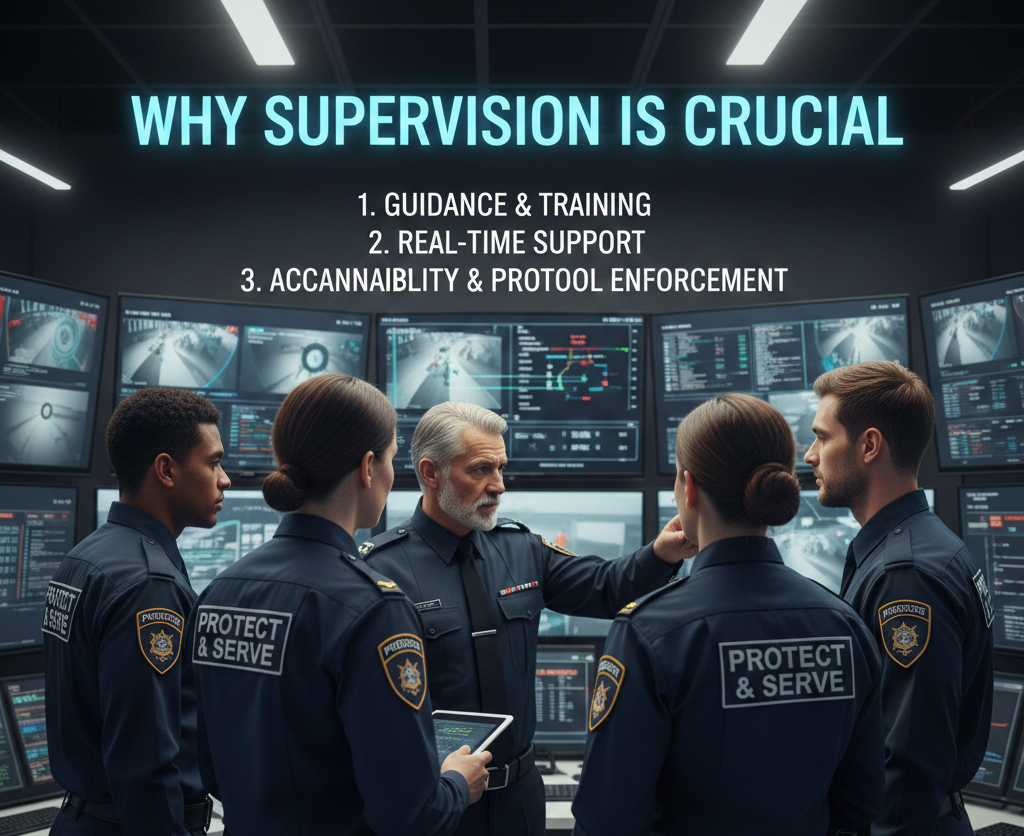
How Supervision Improves Security Guard Performance?
Effective supervision strengthens security guard performance through consistent guidance and active oversight. When supervisors stay involved, guards remain alert, disciplined, and focused on their responsibilities.
Regular Monitoring and Patrolling Checks
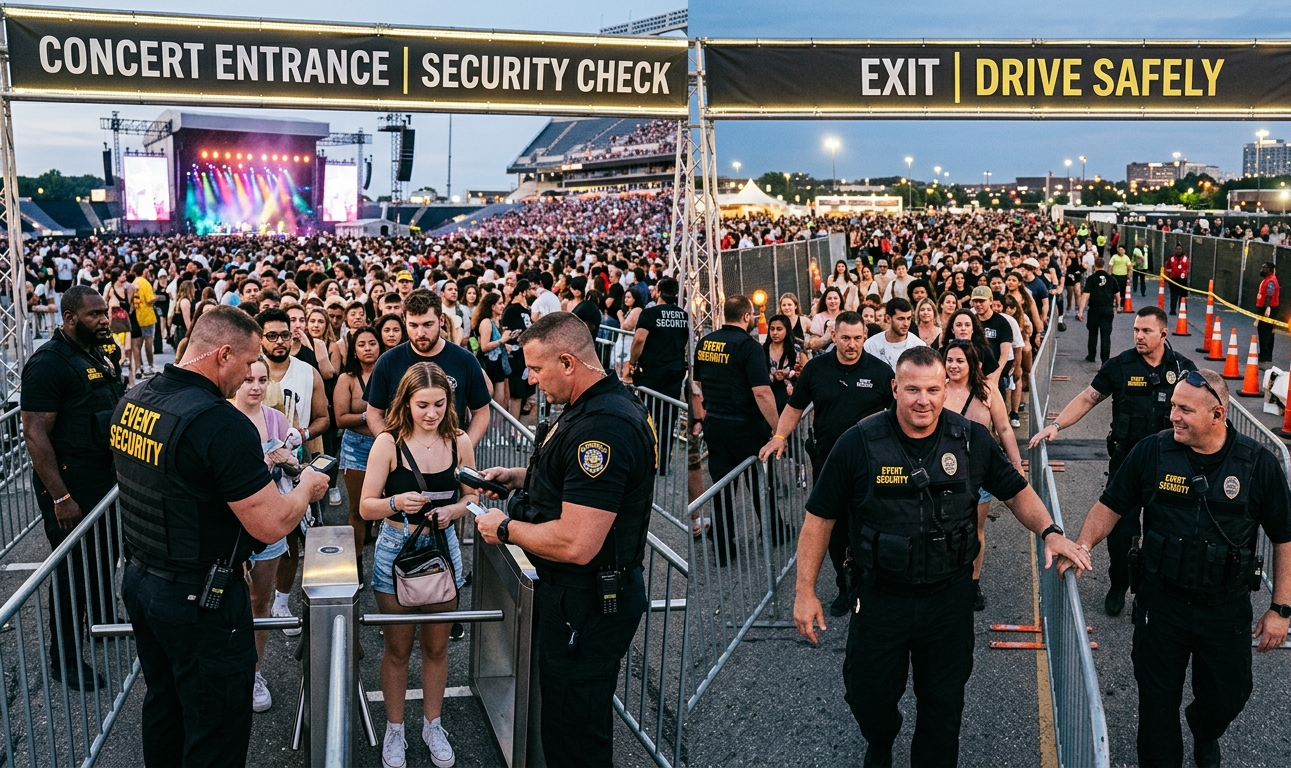
Regular monitoring allows supervisors to confirm that guards are present at assigned posts and following patrol schedules. Surprise visits and routine checks keep guards attentive and disciplined. Patrolling checks help ensure guards cover all assigned areas properly and report unusual activity on time. Monitoring also helps detect gaps in coverage or weak patrol routes.
Through regular checks, supervisors can identify guards who need support or retraining. It also discourages negligence, mobile phone misuse, or leaving posts unattended. Monitoring creates a sense of accountability and professionalism. When guards know their performance is reviewed regularly, they take their duties seriously and follow procedures correctly.
Guidance and On-Job Support
On-job support plays a key role in improving guard performance. Supervisors guide guards during real situations and help them handle challenges calmly. Guards often face unexpected issues such as visitor conflicts or suspicious behavior. Supervisor guidance helps guards respond correctly without panic.
Supervisors also clarify instructions and site rules when guards feel confused. This support builds confidence and reduces mistakes. Guards perform better when they know someone is available to assist them. Guidance improves decision-making and encourages guards to follow correct security practices during duty hours.
Training Follow-Up and Skill Improvement
Training does not end after classroom sessions. Supervision ensures training lessons are applied correctly on-site. Supervisors observe guards and check how well they use training knowledge during daily duties. They identify weak areas such as communication, reporting, or emergency response.
Follow-up helps improve guard skills through feedback and practical guidance. Supervisors may suggest refresher training if needed. This continuous improvement helps guards stay updated and confident. Training follow-up ensures guards perform tasks correctly and maintain professional standards on duty.
Emergency Handling and Quick Decision Making
During emergencies, supervision becomes critical. Supervisors guide guards during fire incidents, medical emergencies, or security threats. Their experience helps guards take quick and correct actions. Supervisors coordinate responses and ensure communication flows properly.
Without supervision, guards may panic or delay decisions. Supervisor presence reduces confusion and supports effective action. Guards feel more confident knowing experienced guidance is available. Proper supervision improves response time and helps control emergencies safely and efficiently.
Impact of Poor Supervision on Security Operations
Poor supervision directly weakens security operations and creates serious risks at any site. When guards are not properly supervised, they may ignore standard procedures, delay patrols, arrive late for duty, or even leave posts unattended. Over time, this careless behavior becomes routine because no one is checking performance or correcting mistakes. Guards may feel confused about their responsibilities, which lowers confidence and morale. Small errors often go unnoticed, allowing security gaps to grow into major threats.
Weak supervision also leads to poor communication, missed incident reporting, and delayed responses to suspicious activities. As discipline declines, service quality drops, making the site vulnerable to theft, unauthorized access, or safety incidents. Clients begin to notice these issues through frequent complaints and rising concerns about safety. Poor supervision also damages the professional image of the security provider. Guards appear unmotivated and unprepared, which reduces trust. In the long run, this can result in contract losses and reputational harm. Strong and consistent supervision is necessary to prevent these operational failures and maintain reliable security standards.
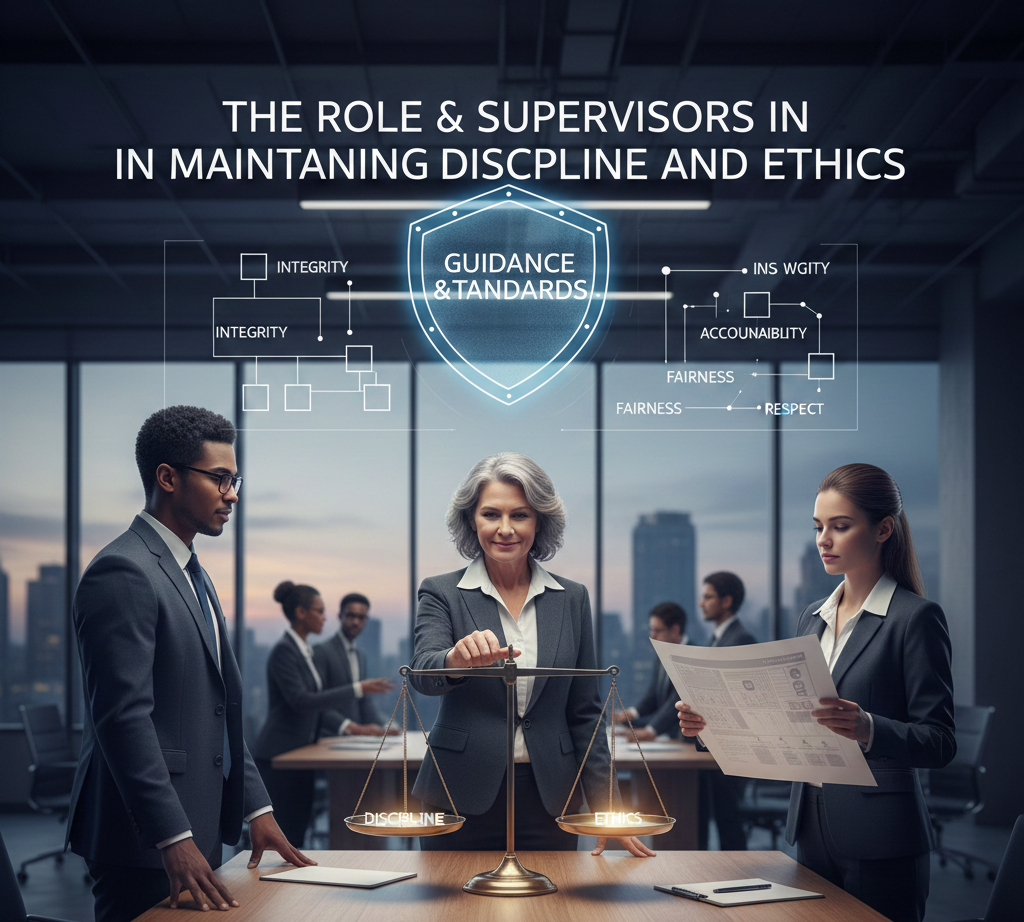
Role of Supervisors in Maintaining Discipline and Ethics
Supervisors play a key role in maintaining discipline and ethical conduct among security guards. They make sure guards follow duty schedules, wear proper uniforms, and remain alert throughout their shifts. Discipline is not only about rules but also about consistency and fairness. When supervisors enforce rules equally, guards develop respect for authority and follow instructions more willingly. Supervisors also address misconduct at an early stage, preventing small issues from turning into serious problems. Ethical supervision encourages honesty, responsibility, and professionalism. Guards are guided to treat visitors, residents, and staff respectfully while maintaining firm security control.
Supervisors also monitor behavior to prevent misuse of authority, harsh conduct, or negligence. Regular feedback helps guards understand expectations clearly and improve behavior. A disciplined and ethical environment improves teamwork and reduces conflicts on-site. Clients feel confident when guards act professionally and responsibly. Strong supervision helps build a culture of respect and accountability, which strengthens the overall security operation and builds long-term trust.
Use of Technology in Security Supervision
Technology has improved the way security supervision is managed and monitored. Modern tools allow supervisors to track guard performance more accurately and efficiently. CCTV systems help supervisors observe activities in real time and review incidents when needed. Patrol tracking systems confirm that guards complete assigned routes on time and do not skip areas. Digital reporting tools allow guards to submit incident reports instantly, reducing delays and paperwork errors. Communication devices help supervisors stay connected with guards during duty hours, especially during emergencies.
Technology also improves transparency, as all activities are recorded and reviewed. This reduces chances of false reporting or negligence. Supervisors can identify performance issues quickly and take corrective action. Technology saves time and improves response speed during security incidents. It also supports better planning and decision-making. With proper use of technology, supervision becomes more structured and reliable. This strengthens security operations and helps guards perform their duties with greater accuracy and confidence.
Benefits of Strong Supervision for Clients and Organizations
Strong supervision provides clear benefits for both clients and security organizations. Clients feel safer when they know guards are regularly monitored and supported. Supervision ensures guards remain alert, follow procedures, and respond quickly to incidents. This reduces complaints and improves overall safety at the site. For organizations, strong supervision improves discipline and reduces operational risks. Guards perform duties responsibly, which lowers chances of errors and security breaches.
Supervision also improves staff morale, as guards receive guidance and feedback. A well-supervised team presents a professional image, which strengthens client trust. Organizations with strong supervision systems often enjoy better client retention and positive reputation. Incidents are managed efficiently, and reporting becomes more accurate. Over time, supervision helps build long-term partnerships with clients. It also supports consistent service quality across different sites. Strong supervision creates stability and reliability in security operations, benefiting everyone involved.
Choosing a Security Company with Proper Supervision
Selecting a security company with proper supervision is important for effective protection. Clients should ask how supervisors monitor guards and how often site checks are conducted. It is important to understand if supervisors are available during all shifts and emergencies. Clients should also inquire about reporting systems, communication methods, and use of monitoring tools.
A company with active supervision ensures guards follow rules and remain accountable. Proper supervision reflects the company’s commitment to safety and service quality. Companies that invest in supervision usually maintain better discipline and faster incident response. Clients benefit from reliable security coverage and fewer risks. Choosing a security provider with a strong supervision structure ensures professional behavior and consistent performance. This decision helps protect people, property, and reputation over the long term.
Conclusion:
Supervision plays a vital role in security guard performance. It improves discipline, confidence, and responsibility among guards. Through monitoring, guidance, and support, supervisors help guards perform duties correctly and respond to challenges effectively. Strong supervision reduces risks and improves service quality for clients and organizations. Without proper supervision, security operations become weak and unreliable. Investing in professional supervision ensures guards remain alert, trained, and prepared at all times. It strengthens safety standards and builds long-term trust in security services.