

Security planning for newly developed housing societies helps create a safe and comfortable living environment. New societies face higher risks because infrastructure is incomplete, residents move in gradually, and systems are still forming. Weak planning at this stage can lead to theft, unauthorized access, and safety concerns for families. A proper security plan builds confidence from the start and sets clear rules and responsibilities. Early planning makes entry control, visitor management, and property protection easier. Many problems in older societies begin during early development due to poor planning. Strong security planning supports long-term safety, resident trust, and a positive image for the housing project.
What Is Security Planning for Housing Societies?
Security planning for housing societies refers to the organized process of identifying risks and creating systems to protect residents, property, and shared spaces. It includes deciding how many guards are needed, where cameras should be installed, and how access points will be managed. This planning also defines procedures for visitors, deliveries, emergencies, and daily patrols. In newly developed housing societies, security planning helps control the environment before problems arise. It focuses on prevention rather than reaction. Clear planning ensures everyone knows their role, from guards to management staff. It also helps residents feel safe when they see structured systems in place. Without proper planning, security efforts often become disorganized and ineffective. A good security plan grows with the society and adapts as more families move in. It creates a foundation that supports safety for years to come and reduces confusion during critical situations.
Why Early Security Planning Matters in New Societies?
Early security planning matters because new housing societies are more exposed to risks during their initial stages. Construction activities, empty houses, and limited population make these areas attractive to criminals. When security is planned early, access points can be controlled from the beginning. Guards can monitor movement, and visitors can be recorded properly. Early planning also helps avoid future adjustments that cost more money and time. Residents feel more comfortable moving into a society that already has visible security measures. This confidence helps speed up occupancy and improves community trust. Security systems installed early are easier to integrate with future upgrades. When planning is delayed, gaps appear that are difficult to fix later. Early action builds discipline, sets standards, and reduces chances of misuse. It also supports developers in maintaining the value and image of their housing project.
Key Security Risks in Newly Developed Housing Societies
Newly developed housing societies face several security risks due to incomplete infrastructure and low occupancy. Unauthorized entry is one of the most common problems, especially when gates are not fully operational. Theft of construction materials, tools, and fixtures is another major concern. Empty houses are often targeted for vandalism or illegal occupation. Lack of lighting in streets and open areas increases risk during night hours. Poor communication between guards and management can delay responses to incidents. Visitors may enter without proper checks due to unclear procedures. These risks create fear among early residents and slow down development progress. Identifying these threats early helps in creating targeted security solutions. A clear understanding of risks allows management to allocate resources wisely. Addressing these issues through structured security planning protects both property and people and builds a safer environment for everyone involved.
Access Control Planning for Entry and Exit Points
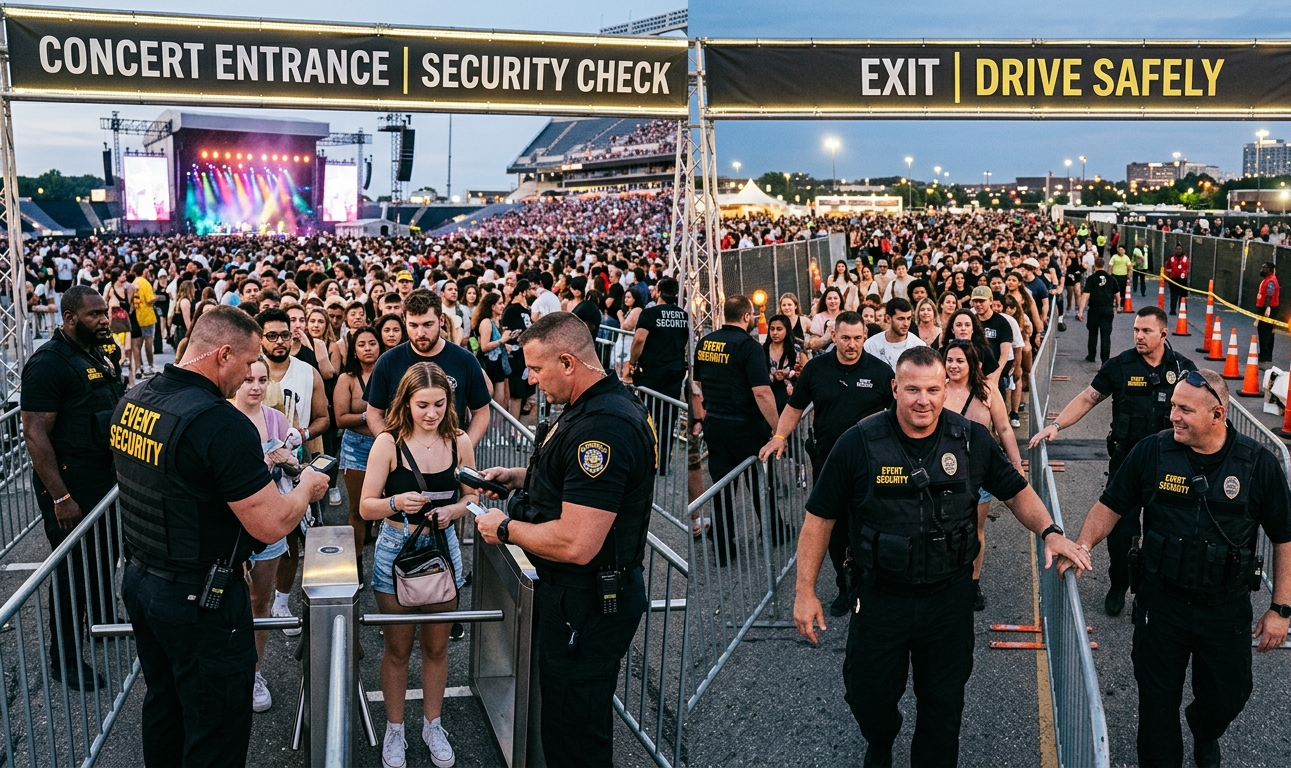
Access control planning is a core part of security planning for newly developed housing societies. Entry and exit points must be clearly defined and properly managed to prevent unauthorized access. Gates should be staffed with trained guards who check visitors and record their details. Boom barriers, manual registers, or digital systems help control vehicle movement. Separate entry points for residents, visitors, and service staff reduce confusion. Clear rules about visiting hours and delivery timings improve safety. During early development, temporary access routes often exist, which must be monitored carefully. Poor access control leads to security breaches and weakens trust. Strong planning ensures smooth traffic flow while keeping unwanted individuals out. When access control is handled properly, guards can focus on monitoring instead of handling conflicts. This creates an organized and calm environment within the society.
Role of Trained Security Guards in New Housing Projects
Trained security guards play a vital role in maintaining safety in newly developed housing societies. Their responsibilities go beyond standing at gates. Guards conduct patrols, monitor suspicious activity, guide visitors, and assist residents when needed. Proper training helps guards communicate clearly and handle situations calmly. In new projects, guards also help protect construction materials and equipment. Their presence alone acts as a strong deterrent against crime. Trained guards understand access control rules, emergency procedures, and reporting methods. They become the first point of contact during incidents. Without training, guards may struggle with decision-making and coordination. Investing in trained personnel improves response time and reduces mistakes. Residents feel safer when they see professional guards performing their duties confidently. Guards also help management maintain discipline and follow security policies consistently across the society.
CCTV and Surveillance System Planning
CCTV and surveillance system planning adds an extra layer of protection to newly developed housing societies. Cameras help monitor entry points, streets, parking areas, and common spaces. Proper placement is important to avoid blind spots. Surveillance systems discourage criminal activity and support investigations when incidents occur. Planning includes deciding camera types, recording duration, and monitoring responsibility. In new societies, systems can be installed in phases as development progresses. Clear signage about surveillance also improves awareness. Poor planning leads to wasted equipment and limited coverage. A well-planned system supports guards and reduces dependency on manual patrols. Recorded footage provides evidence and helps resolve disputes. When residents know the society is monitored, they feel more secure. Surveillance planning strengthens overall security without disrupting daily life.
Emergency Response and Incident Management Plan
An emergency response and incident management plan prepares a housing society for unexpected situations. These may include medical emergencies, fire incidents, or security threats. Planning defines steps guards and staff must follow during emergencies. Contact lists, reporting methods, and evacuation routes are part of this plan. In new housing societies, residents may not know emergency procedures, so clear planning helps reduce panic. Guards should be trained to respond quickly and communicate with management and emergency services. Proper planning reduces response time and limits damage. Regular reviews and basic drills help improve readiness. Without a plan, confusion can make situations worse. A structured approach ensures safety and builds confidence among residents. Emergency planning shows responsibility and care for community well-being.
Security During Construction and Early Occupancy
Security during construction and early occupancy requires special attention. Construction sites attract theft and unauthorized access. Materials, machinery, and tools need protection at all times. Guards must monitor workers and restrict access to approved areas. As residents start moving in, security duties expand to include visitor management and patrols. Clear separation between construction zones and residential areas reduces risk. Poor security at this stage often leads to losses and delays. Planning helps manage both construction safety and resident protection together. Temporary measures can be adjusted as development progresses. Strong control during early occupancy builds trust and encourages more families to move in. This stage sets the tone for long-term safety standards within the society.
Integrating Technology in Housing Society Security
Technology plays a supportive role in modern security planning for newly developed housing societies. Digital visitor logs, access cards, and communication systems improve efficiency. Technology reduces manual errors and helps guards manage tasks easily. Surveillance systems, alarms, and monitoring tools strengthen control. Planning technology use early allows smooth integration with future upgrades. Simple systems are often better during early stages. Overcomplicated tools may confuse staff. Technology supports guards rather than replacing them. Proper training ensures effective use. When used wisely, technology improves response time and record keeping. Residents appreciate systems that add convenience while maintaining safety. Technology integration should always align with society needs and budget.
Cost of Security Planning for New Housing Societies
The cost of security planning for newly developed housing societies depends on several factors, including society size, number of entry points, and required security level. Initial costs usually include hiring trained security guards, installing CCTV cameras, setting up access control systems, and arranging basic communication tools. Smaller societies may start with a limited number of guards and cameras, while larger projects often need full coverage from the start. Monthly expenses generally include guard salaries, equipment maintenance, and monitoring services. Planning the budget early helps avoid sudden financial pressure later. Many developers make the mistake of cutting costs during the early stage, which often leads to higher losses due to theft or damage. A balanced security budget focuses on real needs rather than unnecessary spending. Spending wisely on planning saves money in the long run because it reduces incidents and repairs. Proper budgeting also helps residents understand where their maintenance fees are being used and creates transparency within the society.
Choosing the Right Security Company for New Housing Societies
Choosing the right security company is a key decision for newly developed housing societies. A reliable company provides trained guards, proper supervision, and clear communication. Experience in residential projects matters because housing societies have unique needs. Quick Action Security Agency supports societies with proper planning, risk assessment, and well-structured security system setup. Management should review guard training standards, response procedures, and reporting methods before final selection. Poor selection often results in weak security and frequent resident complaints. A professional company works as a security partner rather than only a service provider. Clear agreements and defined responsibilities help maintain service quality. Residents quickly notice the difference when security is handled professionally. With the right company in place, long-term safety and smooth daily operations become easier to maintain.
Common Security Planning Mistakes to Avoid
Many newly developed housing societies make avoidable security planning mistakes. Delaying security setup is one of the biggest errors. Hiring untrained guards to save money often causes problems. Ignoring access control planning leads to unauthorized entry. Poor communication between guards and management weakens response. Installing cameras without proper placement wastes resources. Lack of emergency planning creates confusion during incidents. These mistakes reduce trust and increase risk. Awareness helps management take corrective action early. Avoiding these errors improves safety and saves costs. Strong planning focuses on practical needs rather than shortcuts. Learning from common mistakes helps create a more secure living environment.
How Professional Security Services Support Long-Term Safety?
Professional security services support long-term safety through structured planning and consistent execution. They bring experience, trained staff, and tested procedures. Professional teams help adapt security plans as societies grow. Regular supervision ensures guards follow rules. Reporting systems keep management informed. Professional services also help maintain discipline and accountability. Over time, this consistency reduces incidents and improves community confidence. Residents feel comfortable knowing security is managed properly. Long-term safety depends on reliability and planning rather than temporary fixes. Professional services help housing societies maintain standards and protect property value. Their support creates a stable and secure environment for families.
Conclusion:
Security planning for newly developed housing societies is a foundation for safe and peaceful living. Early planning helps control risks, protect property, and build trust among residents. From access control to trained guards and surveillance systems, each element plays an important role. Proper budgeting and professional support strengthen security efforts. Avoiding common mistakes saves time and money. A structured security plan grows with the society and supports long-term safety. When security is handled thoughtfully, residents feel confident and comfortable calling the society their home.