
Security protocols for airport transfers of VIPs functions play a major role in keeping high-profile guests safe and comfortable from arrival to destination. Airport transfers for celebrities, politicians, business leaders, and special event guests require detailed planning, trained security staff, and strong coordination. A single mistake can create confusion, delay, or security risks. That is why professional security teams prepare every step in advance, from route planning to vehicle inspection and crowd control. Proper airport transfer security creates a smooth experience for VIPs while protecting their privacy and safety. In this article, you will understand how structured planning, trained personnel, modern technology, and coordination with airport authorities create a secure transfer system for VIP events and functions.
Importance of Security Protocols in VIP Airport Transfers
VIP airport transfers are different from regular transportation services. High-profile individuals attract attention, and large crowds may gather at airports during special functions. Without proper security planning, the situation can quickly become stressful and unsafe. Strong security protocols reduce the chances of unauthorized access, unwanted media interference, or unexpected disruptions. Professional teams manage entry and exit points carefully while maintaining the dignity of the guest. Event organizers also feel relaxed when a trained security unit handles airport transfers. It reduces confusion and ensures smooth coordination between drivers, event managers, and airport officials. Every movement is monitored, and alternative plans remain ready for emergencies. This structured approach protects the reputation of both the event host and the VIP guest.
Risk Assessment Before VIP Arrival
Security planning always starts with risk assessment. Before the VIP arrives, the security team studies the airport layout, arrival terminal, parking zones, and possible risk areas. The team identifies crowded locations, blind spots, and potential security gaps. This analysis helps them create a clear protection plan. Risk assessment also includes checking the guest profile. Public figures may face higher security threats compared to corporate executives attending private functions. Security personnel evaluate media presence, political sensitivity, and expected crowd size. Based on this information, they decide the number of guards, escort vehicles, and secure pathways. A proper assessment ensures no detail is ignored before the transfer begins.
Coordination with Airport Authorities
Strong coordination with airport authorities strengthens VIP airport transfer security. Security teams communicate with airport management, aviation security staff, and local law enforcement. This coordination ensures smooth access to restricted zones and priority movement when needed.
Airport authorities assist in arranging secure entry points, parking spaces close to the terminal, and controlled exit routes. If the VIP requires a private lounge, arrangements are finalized in advance. Constant communication prevents misunderstandings and delays. When airport staff and private security teams work together, the transfer process becomes organized and professional.
Secure Route Planning and Alternative Routes
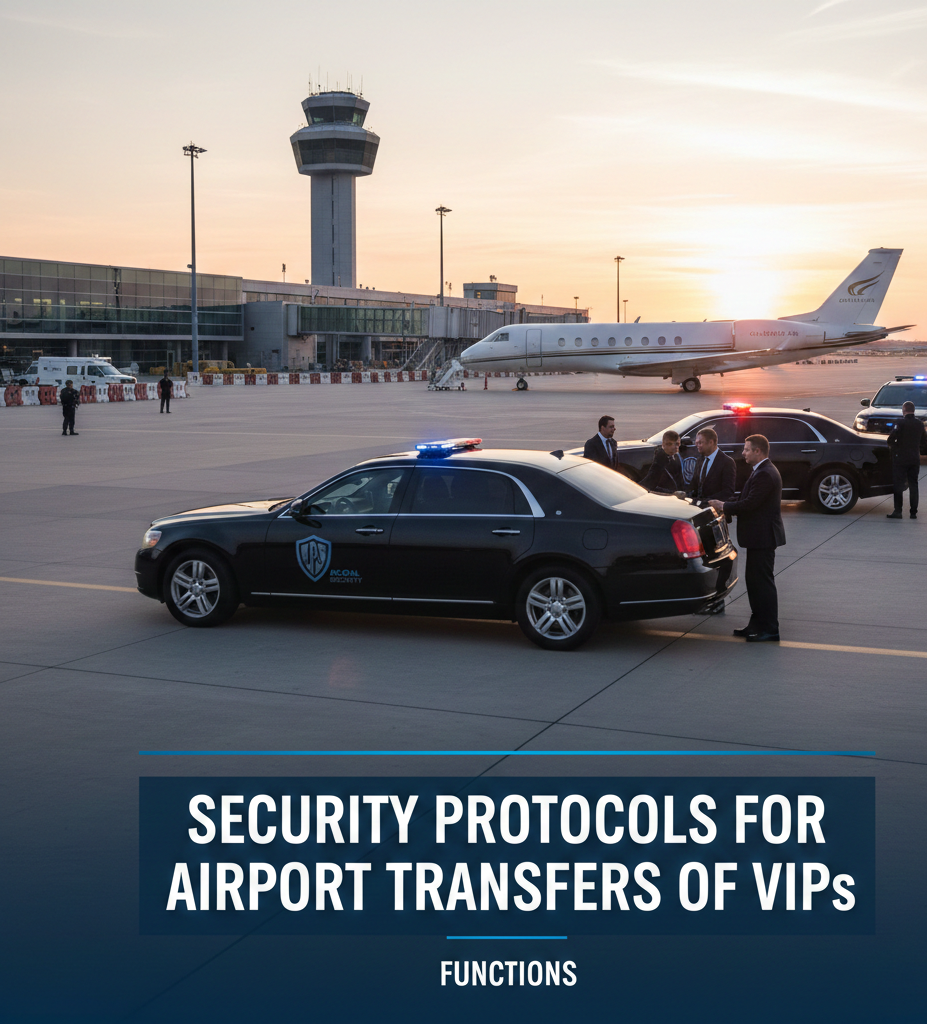
Route planning is a core part of VIP airport transfer security protocols. The security team selects the safest and fastest route from the airport to the event venue or hotel. They study traffic conditions, road construction updates, and possible protest areas. Alternative routes are also prepared in case of unexpected roadblocks or heavy traffic. Escort vehicles move ahead to monitor the road situation. Real-time communication helps drivers adjust routes instantly if needed. Proper route planning reduces exposure to public crowds and limits unnecessary stops. A well-planned route ensures timely arrival without compromising safety.
Vehicle Inspection and Preparation
Every vehicle used for VIP airport transfers undergoes detailed inspection. Security teams check brakes, fuel levels, communication devices, and interior comfort. Vehicles must remain clean, well-maintained, and technically sound to avoid breakdowns during transfer. In high-risk situations, armored vehicles may be arranged. Even in low-risk events, professional drivers trained in defensive driving handle VIP transfers. Backup vehicles remain on standby. Before departure, security staff inspect the vehicle interior to prevent unauthorized items. This preparation minimizes unexpected disruptions and enhances confidence in the transfer process.
Access Control and Crowd Management
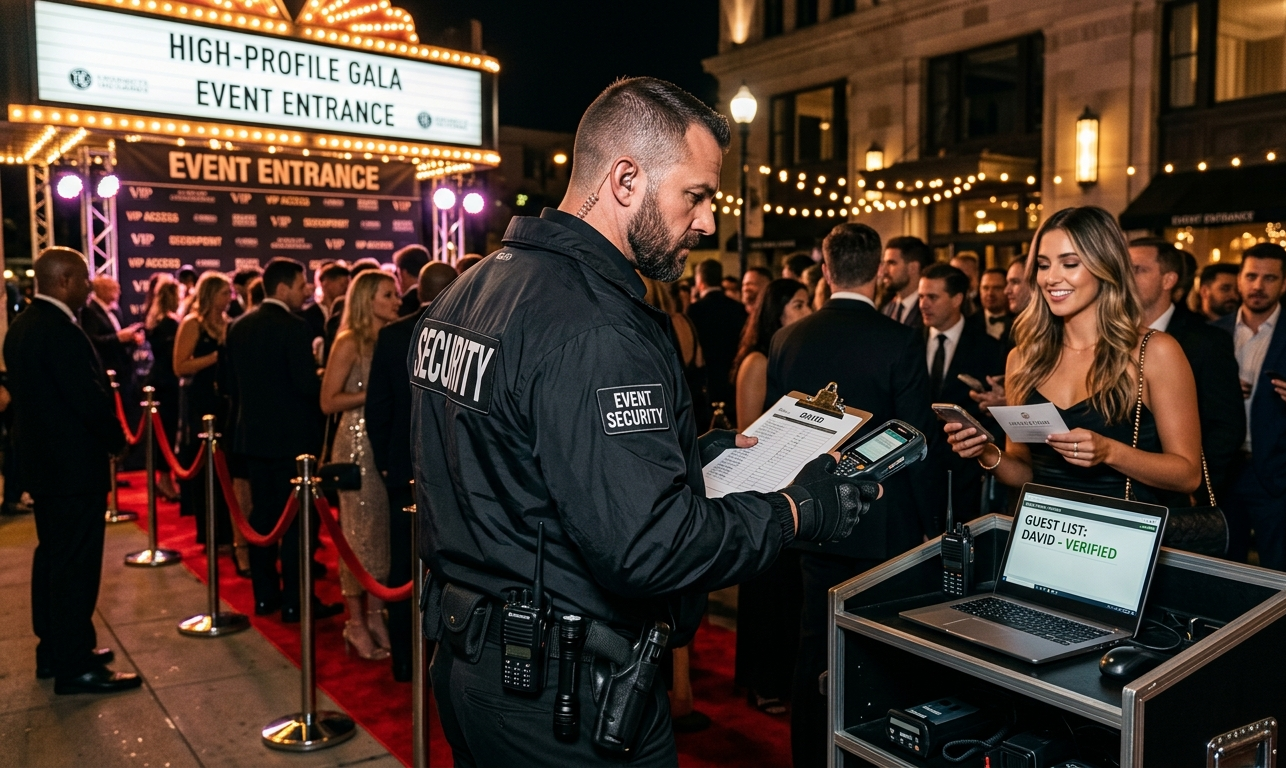
Airports often have large crowds, especially during public functions or celebrity visits. Managing access control is vital to prevent gatecrashing and unwanted interaction. Security teams create a protective perimeter around the VIP from the arrival gate to the vehicle. Only authorized personnel receive access through verified identification checks. Crowd barriers may be installed to control public movement. Trained guards remain alert and calm while guiding people respectfully. Proper crowd management protects the guest’s privacy and prevents physical contact risks. A controlled environment creates a safe and organized transfer experience.
Role of Trained Security Personnel
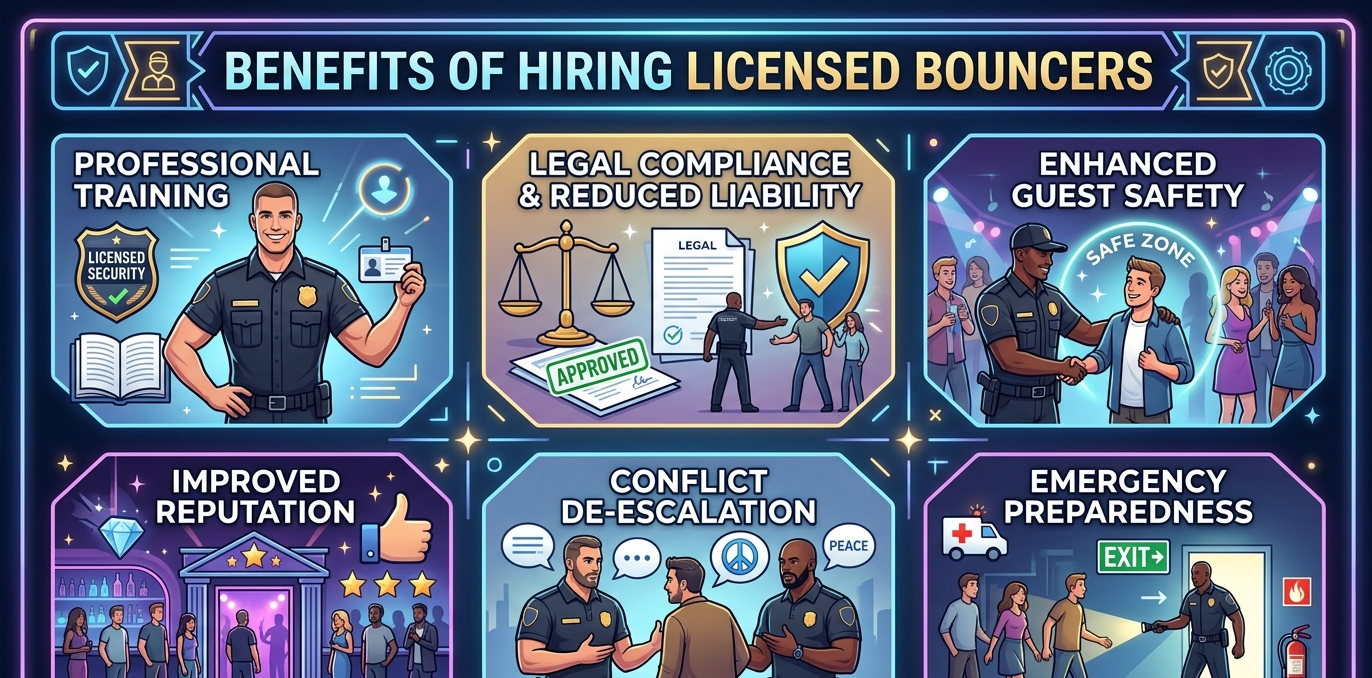
Professional security staff play the most important role in VIP airport transfers. Guards must have experience in close protection services and emergency handling. Their behavior should remain calm, confident, and disciplined. Training includes risk identification, communication skills, defensive techniques, and coordination with drivers. Security personnel maintain awareness of surroundings at all times. They position themselves strategically to cover blind spots and ensure smooth movement. Well-trained teams react quickly to unexpected situations without creating panic. Their presence provides reassurance to both VIP guests and event organizers.
Communication Systems and Technology
Modern communication tools improve the effectiveness of VIP airport transfer security. Security teams use wireless communication devices to stay connected throughout the transfer. Real-time updates allow immediate response to traffic changes or crowd movement. GPS tracking systems help monitor vehicle location and route progress. CCTV surveillance inside and outside vehicles increases safety. In larger functions, command centers monitor the entire operation. Technology strengthens coordination between airport officials, drivers, and security supervisors. Reliable communication reduces response time and improves overall protection.
Emergency Response Planning
No security plan is complete without emergency response preparation. VIP airport transfer protocols include clear action plans for medical emergencies, vehicle breakdowns, or security threats. Security personnel remain trained to handle sudden incidents calmly. Emergency medical kits stay available inside vehicles. Contact details of nearby hospitals and law enforcement agencies remain accessible. Backup teams stay on standby. Practice drills improve response speed and coordination. A prepared team reduces panic and manages unexpected events efficiently. Emergency planning builds confidence and ensures uninterrupted transfer operations.
Privacy Protection for VIP Guests
Privacy is a key concern during airport transfers of VIP functions. High-profile guests often prefer limited public exposure. Security teams coordinate discreet entry and exit points to avoid media congestion. Use of private lounges and controlled parking zones reduces unwanted attention. Guards prevent unauthorized photography or close interaction. Maintaining confidentiality about arrival time and route details prevents security leaks. Respecting privacy enhances the guest experience and strengthens professional relationships. Discreet handling reflects high standards of event management.
Coordination with Event Management Teams
Airport transfer security works closely with event planners. Clear communication ensures accurate arrival timing and smooth transition from airport to venue. Event managers share details about guest lists, venue security, and accommodation arrangements. Security teams align transfer timing with event schedules to avoid delays. Drivers receive exact drop-off instructions. Proper coordination prevents confusion upon arrival at the function location. When security and event management teams work in sync, the entire process remains professional and stress-free.
Documentation and Verification Procedures
Documentation plays a major role in VIP airport security protocols. Security teams verify driver identity, vehicle registration, and staff credentials before deployment. All personnel carry proper identification badges. Guest verification procedures confirm correct passenger pickup. This step prevents mistaken identity or unauthorized access. Records of routes, timing, and personnel assignment remain documented for reference. Organized documentation increases accountability and reduces errors. Structured verification procedures protect both the security provider and the client.
Conclusion:
Security protocols for airport transfers of VIPs functions require detailed planning, professional staff, and strong coordination. From risk assessment to emergency response, every step matters in creating a safe transfer experience. Secure route planning, trained guards, reliable vehicles, and modern communication tools strengthen protection. Proper access control and privacy management ensure dignity and comfort for high-profile guests. When airport authorities, security teams, and event managers coordinate effectively, VIP airport transfers become smooth and organized. Investing in professional security services builds trust, protects reputation, and ensures that every VIP function begins with safety and confidence.