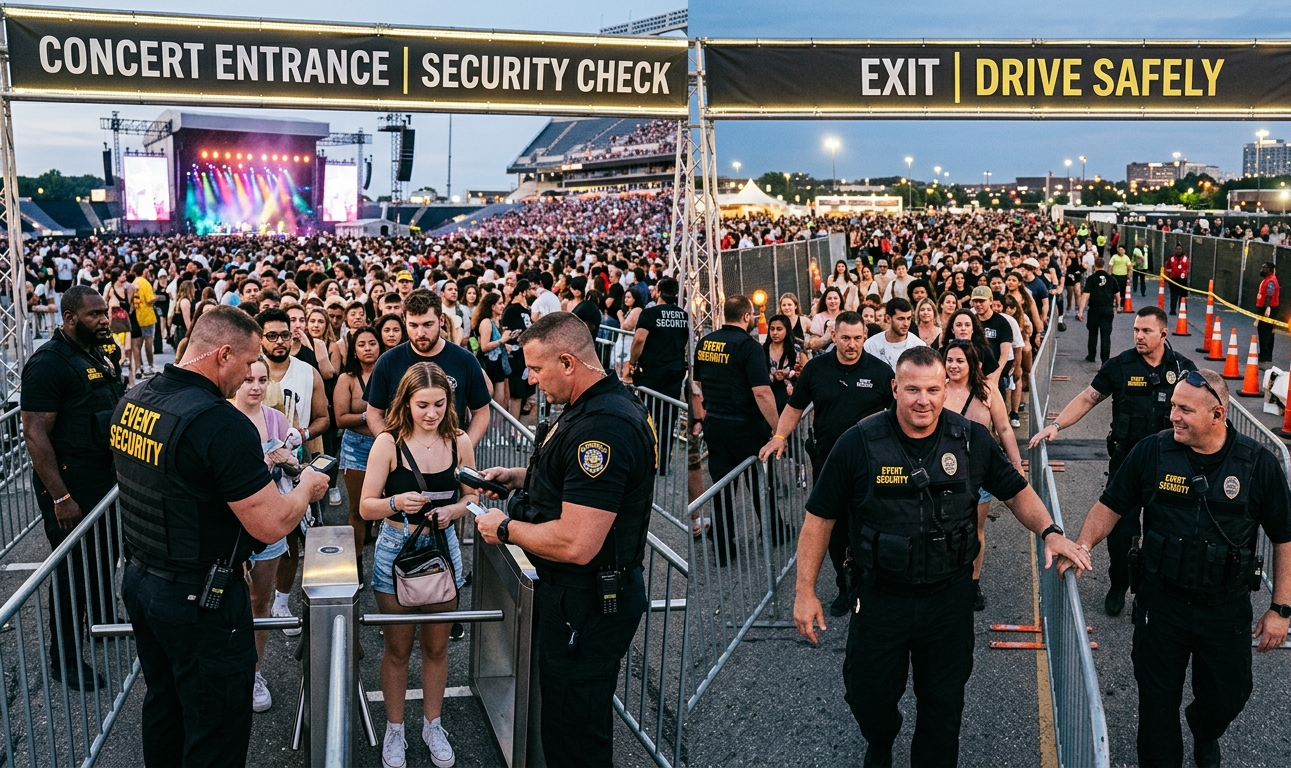

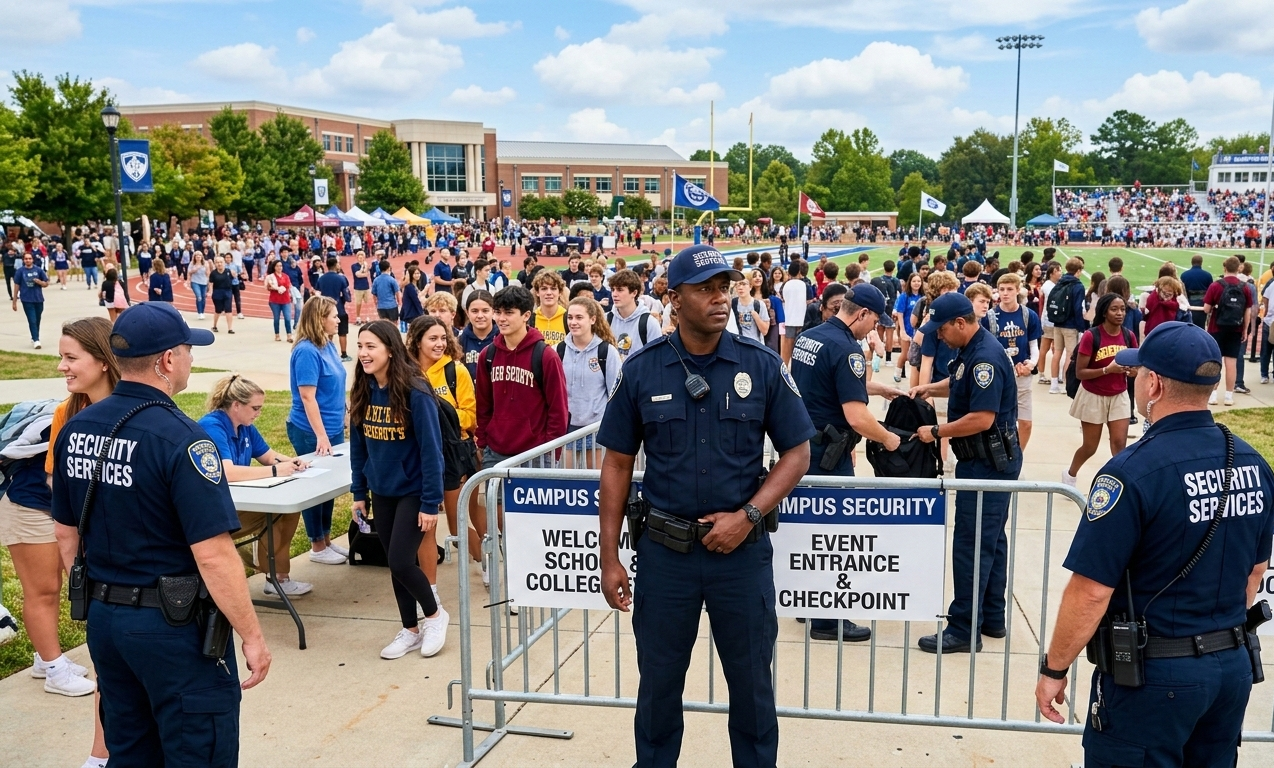
When schools and colleges organize large-scale events, the campus environment changes instantly. Annual ceremonies, sports competitions, cultural programs, and graduation functions bring together students, faculty, parents, invited guests, and external vendors within a limited space. Such gatherings require structured supervision to prevent confusion, unauthorized access, or unexpected disruptions. A professionally managed security framework ensures controlled entry points, regulated crowd movement, and clear emergency procedures. Trained personnel, strategic planning, and coordinated communication systems work together to support smooth operations. Effective event protection safeguards participants, upholds institutional credibility, and reflects administrative responsibility toward maintaining a secure and disciplined academic environment.
The Importance of Event Security in Educational Institutions
Educational institutions are responsible for the safety of minors, young adults, and staff members. During events, the number of people on campus increases significantly, creating complex security challenges. Open campuses become more vulnerable to unauthorized entry, theft, vandalism, or disruptive behavior. Professional security services conduct detailed risk assessments before the event, identifying possible vulnerabilities and implementing preventive measures. Security planning includes evaluating entry and exit points, parking arrangements, crowd flow patterns, and emergency evacuation routes. A well-developed strategy ensures that safety measures are not reactive but proactive. Institutions that invest in professional event security demonstrate responsibility and commitment toward student welfare. Effective security management also reassures parents and guests that the event is being conducted in a controlled and secure environment.
Risk Assessment and Pre-Event Planning
Every school or college event requires a customized security strategy based on its scale and nature. A small seminar demands a different approach compared to a large annual sports festival. Professional security teams begin with a comprehensive risk assessment process. This involves identifying potential threats such as overcrowding, unauthorized access, conflicts among attendees, or external disturbances. Pre-event planning also includes coordination with school administration, local authorities, and emergency response teams. Clear communication channels are established to ensure immediate action in case of unforeseen situations. Security supervisors prepare deployment charts outlining guard positions, patrol routes, and command hierarchy. Through structured preparation, institutions can minimize risks and ensure that every security officer understands their role and responsibilities during the event.
Access Control and Entry Management
One of the most critical aspects of school and college event security is controlling entry and exit points. Events often invite parents, alumni, special guests, and vendors, which increases the number of individuals entering campus premises. Without strict access control, the risk of unauthorized individuals entering the venue rises significantly. Professional security services implement identification verification systems, invitation checks, and gate monitoring procedures. Guards are stationed at main entrances to verify passes and regulate visitor flow. For high-profile events, metal detectors and bag screening protocols may also be introduced. Effective access control not only prevents potential threats but also ensures orderly movement of attendees. Structured entry management reduces congestion and enhances overall event discipline.
Crowd Management and Control Strategies
School and college events frequently involve large gatherings of students who may become overly excited during performances or sports competitions. Poor crowd management can lead to stampedes, injuries, or property damage. Professional security personnel are trained in crowd psychology and management techniques to maintain order without creating panic. Security officers strategically position themselves in high-density areas such as stage fronts, entry gates, and seating zones. Clear signage, barricades, and directional guidance systems are installed to regulate crowd movement. Communication devices allow instant coordination between security staff. When managed effectively, crowd control strategies ensure that enthusiasm does not escalate into chaos. A disciplined crowd environment contributes to the success and safety of the event.
Emergency Response and Crisis Handling
Unexpected situations can arise at any time during an event. Medical emergencies, fire hazards, electrical faults, or sudden disturbances require immediate and coordinated responses. Professional security services develop emergency response plans tailored to the event’s layout and risk profile. Security teams conduct briefings before the event to familiarize staff with evacuation routes and assembly points. First aid support, fire extinguishers, and coordination with nearby medical facilities are arranged in advance. In the event of a crisis, trained personnel act swiftly to contain the situation and prevent escalation. Efficient emergency response planning minimizes damage and ensures the safety of all participants. Educational institutions benefit significantly from having a structured crisis management framework.
Protection of Students and Staff
Student safety remains the highest priority during any educational event. Young attendees may be vulnerable to external threats or internal conflicts. Professional security services provide visible protection that deters misconduct and enhances confidence among students and staff. Security guards monitor hallways, backstage areas, and restricted zones to prevent unauthorized access. Female security personnel may be deployed during girls’ school events to ensure comfort and sensitivity. Teachers and administrative staff can focus on event coordination without worrying about safety disruptions. Visible security presence also discourages bullying, harassment, or disruptive behavior. A secure environment fosters a positive atmosphere where students can participate freely and confidently.
Coordination with Local Authorities
Large-scale school and college events sometimes require collaboration with local law enforcement and emergency services. Professional security companies maintain established communication channels with relevant authorities to ensure rapid assistance when necessary.
Prior notification of large gatherings helps local authorities remain prepared for traffic control or emergency situations. In high-profile events involving VIP guests, coordination with police becomes even more critical. Security teams work alongside local officials to manage perimeter control and traffic flow. Such collaboration enhances the overall safety framework and ensures compliance with local regulations. Effective coordination demonstrates institutional responsibility and strengthens community trust.
Surveillance Systems and Technology Integration
Modern security services incorporate advanced surveillance technologies to enhance event safety. CCTV cameras, handheld communication devices, and digital monitoring systems provide real-time oversight of the event premises. Surveillance coverage allows supervisors to detect suspicious behavior and respond promptly. Temporary camera installations may be arranged for large outdoor events. Monitoring rooms enable security managers to oversee multiple zones simultaneously. Communication equipment ensures seamless coordination between team members. Technology integration reduces response time and increases operational efficiency. Educational institutions benefit from these advanced measures as they provide an additional layer of security beyond physical guard presence.
Traffic and Parking Management
School and college events often result in heavy vehicle movement, especially during annual functions or graduation ceremonies. Improper traffic control can cause congestion, accidents, and delays. Professional security services manage parking areas and regulate vehicle flow to prevent confusion. Security personnel direct vehicles toward designated parking zones and ensure that emergency access routes remain unobstructed. Clear signage and controlled entry points minimize traffic chaos. Effective traffic management not only enhances safety but also improves the overall guest experience. Organized parking systems reflect institutional professionalism and planning efficiency.
Vendor and Equipment Security
Events typically involve sound systems, stage equipment, decoration materials, and external vendors. These assets require proper protection against theft or damage. Professional security teams monitor backstage areas and storage zones to safeguard valuable equipment. Vendor verification procedures ensure that only authorized suppliers access restricted sections. Equipment loading and unloading processes are supervised to prevent unauthorized handling. Maintaining asset security protects the institution from financial losses and operational disruptions. Secure vendor management contributes to the smooth execution of the event schedule.
Reputation and Institutional Credibility
A well-secured event strengthens the reputation of schools and colleges. Parents and community members judge institutions based on how responsibly they manage safety. Any security lapse can damage credibility and trust. Professional security services help maintain discipline, protect participants, and prevent incidents that could harm institutional standing. Safe events create positive impressions and reinforce confidence among stakeholders. When institutions demonstrate commitment to safety planning, they build long-term credibility within the community. Security services therefore serve not only as a protective measure but also as a strategic investment in institutional reputation.
Conclusion:
Security services for school and college events are a fundamental requirement for safe and successful gatherings. From risk assessment and access control to emergency response and crowd management, professional security teams provide structured protection tailored to each event’s needs. Educational institutions hold a duty of care toward students, staff, and guests. Effective security planning ensures that academic celebrations, sports activities, and cultural programs are conducted without disruption or risk. Through trained personnel, technological support, and coordinated strategies, schools and colleges can maintain discipline and safeguard their reputation. Investing in professional event security reflects responsibility, preparedness, and commitment to creating a safe educational environment.