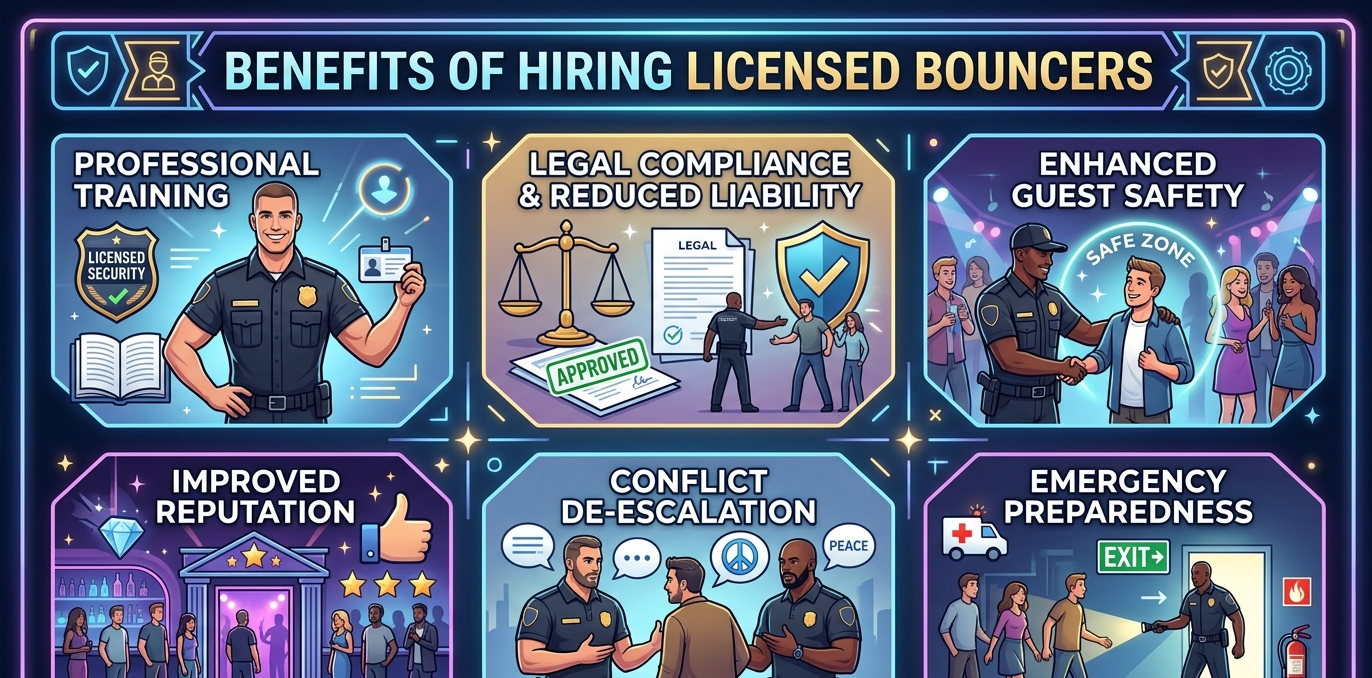

Public events attract large crowds, high-profile guests, and complex logistics. In such environments, security is not simply about standing at entry points. Trained security guards for public events play a critical role in maintaining order, preventing risks, and responding swiftly to emergencies. From corporate conferences to concerts and political gatherings, professional event security ensures smooth operations and protects attendees, staff, and property. A well-trained team provides confidence to organizers and peace of mind to guests, making security planning a fundamental part of every successful public event.
The Importance of Professional Event Security
Every public event carries unique risks depending on its size, location, and audience profile. Without trained security guards, minor disturbances can quickly escalate into serious incidents. Professional security personnel are trained to assess risks, manage crowd behavior, and maintain strict access control. Their presence alone often acts as a deterrent to potential troublemakers. Event organizers must consider factors such as emergency exits, crowd flow, restricted areas, and VIP movement. Trained guards understand these operational aspects and coordinate with event managers to implement structured security plans. They remain vigilant throughout the event, monitoring suspicious activity and ensuring compliance with safety protocols. Their proactive approach minimizes disruptions and allows the event to proceed without unnecessary interruptions.
Crowd Management and Control
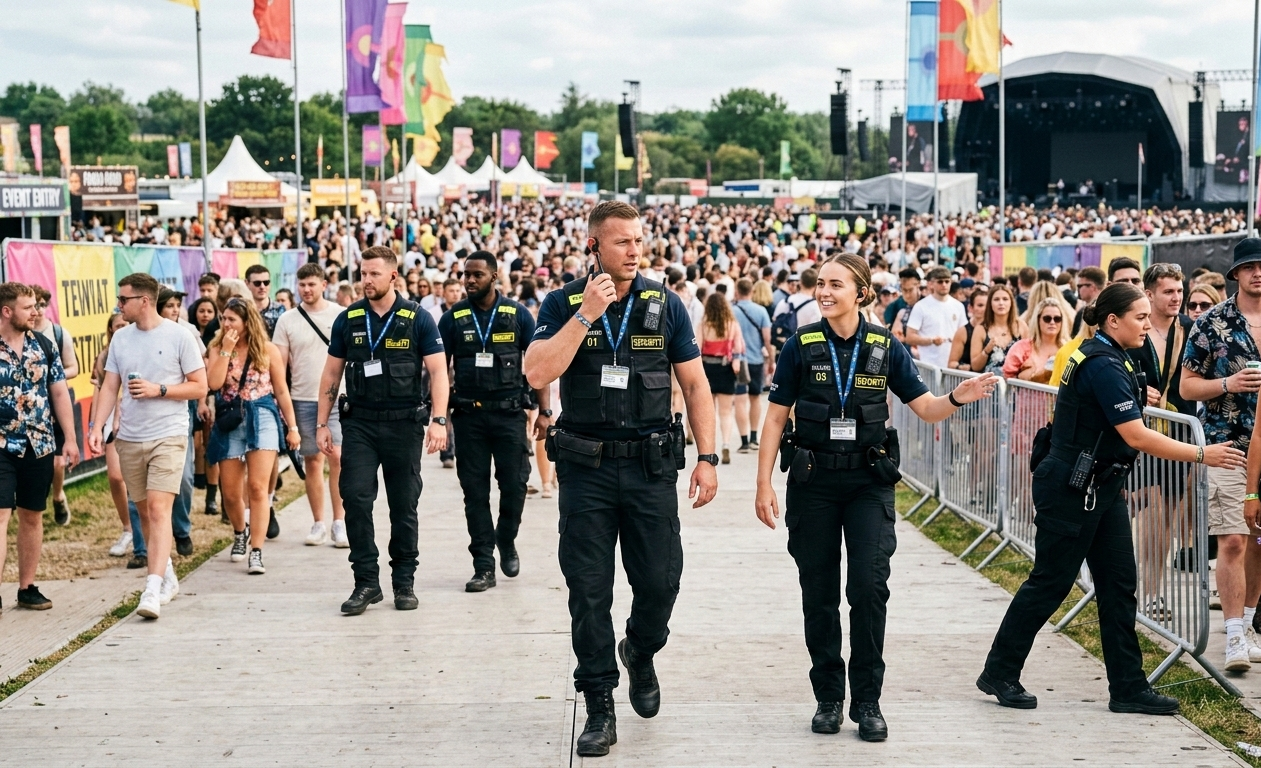
Managing large crowds requires expertise, patience, and quick decision-making. Trained security guards for public events specialize in crowd control techniques that prevent panic and congestion. They are taught how to position themselves strategically to guide attendees smoothly through entry gates, seating areas, and exit points. In high-attendance gatherings such as concerts or festivals, overcrowding can pose significant safety risks. Professional guards monitor crowd density and respond immediately if a section becomes unsafe. Clear communication skills enable them to give firm but calm instructions, reducing the chances of chaos. Their training includes handling aggressive behavior without escalating tensions. Through structured crowd management strategies, they maintain order and ensure a safe environment for everyone present.
Access Control and Screening Procedures
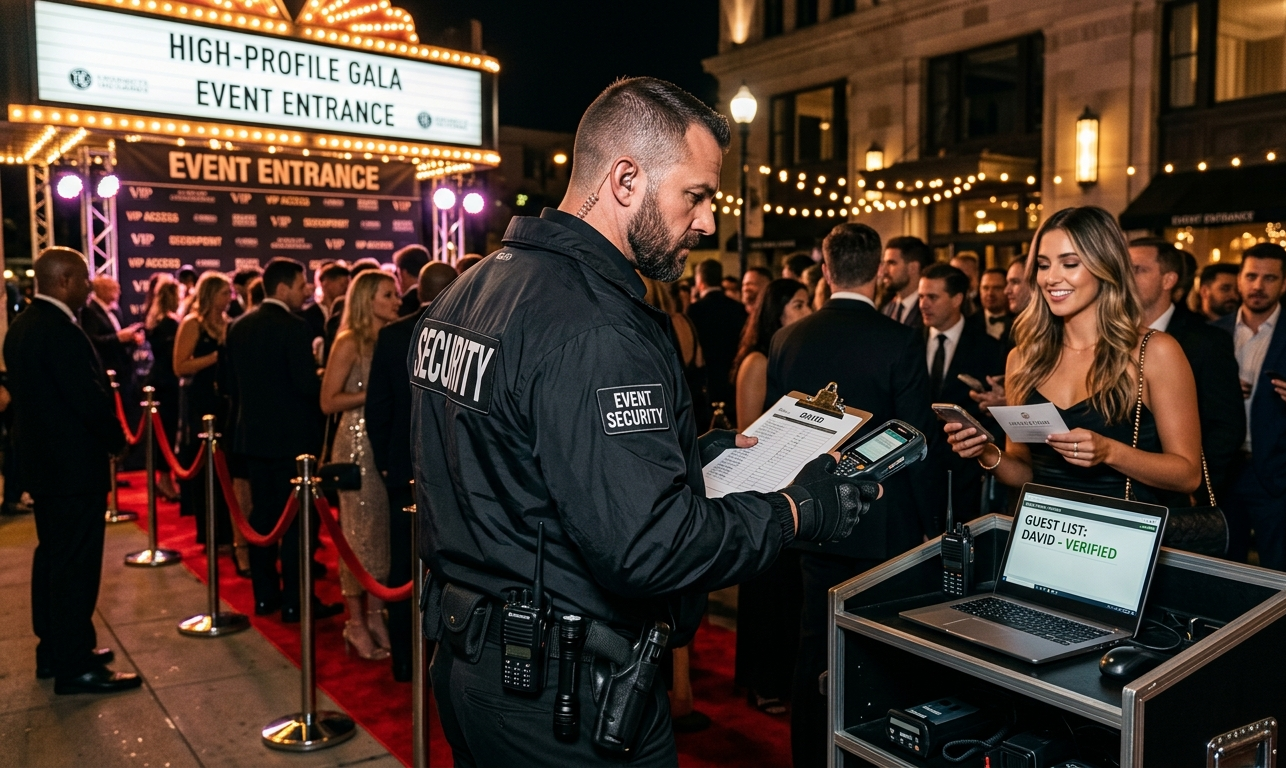
Access control is one of the most important responsibilities of trained security guards. Public events often include restricted zones such as backstage areas, control rooms, and VIP lounges. Security personnel verify credentials, check tickets, and inspect belongings to prevent unauthorized access. Effective screening procedures help detect prohibited items and reduce the risk of security breaches. Guards are trained to use metal detectors, scanning equipment, and manual search techniques professionally and respectfully. Their approach balances firm enforcement with courteous interaction. By maintaining strict access control measures, they protect both the event infrastructure and the individuals attending it. Properly managed entry and exit points significantly lower the likelihood of unwanted incidents.
Emergency Response and Crisis Management
Unexpected situations can arise at any public gathering. Medical emergencies, fire hazards, or security threats require immediate action. Trained security guards for public events are prepared to handle such scenarios calmly and efficiently. Their training includes first aid, evacuation procedures, and coordination with emergency services. During a crisis, panic can spread quickly among large crowds. Professional guards act as stabilizing figures, guiding attendees toward safe exits and preventing stampedes. They communicate clearly with law enforcement and medical teams to ensure rapid intervention. Their ability to remain composed under pressure is a key factor in minimizing harm. A strong emergency response plan supported by trained personnel can make the difference between controlled management and widespread chaos.
Protection of VIPs and Special Guests
Many public events host VIPs, celebrities, or corporate leaders who require additional protection. Trained security guards provide discreet yet effective protection services tailored to the specific needs of high-profile individuals. They conduct advance assessments of venues, identify potential risks, and establish secure movement routes. Close protection officers remain alert to unusual behavior and maintain secure perimeters around their clients. They coordinate with event organizers to manage stage access, meet-and-greet sessions, and media interactions. Their professional conduct ensures that VIP guests can participate confidently without security concerns overshadowing the event. This level of specialized protection reflects the importance of comprehensive security planning in public gatherings.
Communication and Coordination Skills
Effective communication is a cornerstone of successful event security. Trained security guards maintain constant coordination with event management teams, law enforcement agencies, and medical personnel. Clear radio communication systems allow them to share updates instantly and respond to situations in real time. Professional guards are also trained in interpersonal communication. They interact with attendees respectfully while maintaining authority. In situations involving disputes or misunderstandings, they rely on conflict resolution techniques to de-escalate tensions. Strong communication ensures that information flows smoothly between all stakeholders, enhancing overall event safety. When security teams operate as a coordinated unit, risks are identified and addressed before they become serious problems.
Risk Assessment and Pre-Event Planning
Security planning begins long before the event day. Trained security guards participate in risk assessment processes that evaluate potential threats and vulnerabilities. This includes analyzing venue layout, expected attendance numbers, and previous incident records. Through careful planning, security teams determine guard placement, emergency response routes, and surveillance coverage. They collaborate with event organizers to establish clear safety protocols and contingency measures. Pre-event briefings ensure that every guard understands their role and responsibilities. A structured security plan supported by trained personnel significantly reduces uncertainties. Preparation is the foundation of effective public event security and helps prevent costly disruptions.
Use of Modern Security Technology
Modern public events increasingly rely on technology to enhance safety measures. Trained security guards are skilled in operating surveillance systems, CCTV monitoring, and access control software. These tools provide real-time visibility across large venues and allow quick identification of potential risks. Guards analyze camera feeds to detect unusual behavior and coordinate responses efficiently. Metal detectors, communication devices, and crowd monitoring systems support their duties. However, technology is most effective when combined with human expertise. Professional guards interpret data, assess context, and make informed decisions. The integration of trained personnel with advanced security systems creates a comprehensive protective framework for public events.
Legal Compliance and Professional Standards
Public event security must comply with local laws and regulatory requirements. Trained security guards understand legal boundaries regarding search procedures, use of force, and detention protocols. Their adherence to professional standards protects both the event organizers and attendees. Security personnel operate within established guidelines to ensure fairness and accountability. Documentation of incidents, coordination with authorities, and adherence to safety regulations form part of their responsibilities. Professional conduct strengthens the credibility of the event and builds public trust. Compliance with legal frameworks is not merely a requirement but a critical component of responsible event management.
Conclusion:
Trained security guards for public events provide more than physical presence. They deliver structured planning, crowd management expertise, emergency preparedness, and professional coordination. Their role is fundamental in safeguarding attendees, protecting assets, and ensuring that events run smoothly from start to finish. In an environment where safety expectations continue to rise, investing in qualified security personnel is a strategic decision. A well-trained security team transforms potential risks into manageable challenges, reinforcing confidence and contributing to the overall success of any public gathering.